
ULA Skincare: The Science-Led Strategy Approach to Skincare
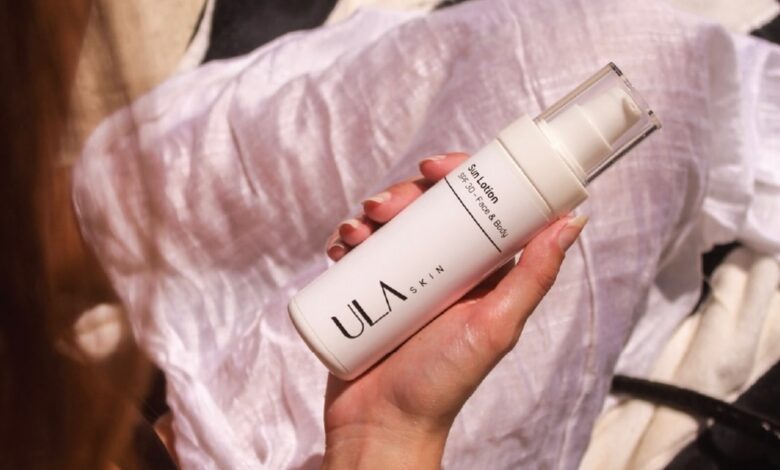
ULA Skincare: The Science-Led Strategy Approach to Skincare. The skincare industry is crowded with elaborate routines, lengthy ingredient lists and products promising to address an ever-growing range of skin concerns. For consumers, deciding what their skin actually needs can become overwhelming. ULA Skincare has positioned itself around a different philosophy: simplifying skincare through science, balance and intentional product development.
The homegrown South African brand places gratitude at the centre of its identity, connecting everyday skincare rituals with appreciation for the body, skin and mind. This philosophy extends beyond its messaging. ULA presents its products as part of a broader approach to maintaining skin health, with an emphasis on respecting the skin’s biology rather than overwhelming it with complicated routines.
The brand’s central proposition is straightforward: skincare should empower people to feel confident in their skin without making their daily routines unnecessarily complicated.
For entrepreneurs, one of the first lessons from ULA’s positioning is the importance of identifying a clear customer frustration. Rather than competing through an increasingly complicated range of ingredients and promises, the brand has chosen simplicity as a defining part of its identity.
This gives customers a clearer understanding of what the business stands for and creates a consistent foundation for its product development and communication.
Hypochlorous Acid Gives ULA a Distinctive Product Focus
A defining feature of ULA’s skincare range is its focus on hypochlorous acid (HOCl), a naturally occurring molecule that the brand identifies as the foundation of its formulations.
According to ULA, hypochlorous acid works by protecting the skin against harmful microbes while supporting its natural healing function. The brand has built its product philosophy around using this ingredient to support skin calmness, barrier function and long-term skin health.
This ingredient-led approach gives ULA a specific identity in a competitive market. Instead of presenting itself as another general skincare business, it communicates a clear focus around a particular molecule and its role in the brand’s formulations.
There is an important business lesson in this strategy. A distinctive product proposition can help a young brand communicate its value more effectively. Entrepreneurs entering competitive markets should consider what makes their offering recognisable and how that difference can be explained clearly to potential customers.
However, differentiation also requires responsible communication. Skincare brands operate in a category where consumers need reliable information about ingredients, formulations and product performance. ULA’s emphasis on science and integrity makes transparency an important part of delivering on its positioning.

Turning Scientific Principles Into Accessible Skincare
Science-led skincare can sometimes appear intimidating to consumers who are unfamiliar with formulation terminology. ULA addresses this through a philosophy that combines scientific principles with an emphasis on simplicity.
The brand describes its formulations as combining clinical-grade precision with a gentle approach, focusing on products designed for everyday skin concerns.
Its messaging consistently returns to three priorities: protection, relief and balance. Rather than promoting quick fixes or fashionable ingredients, ULA emphasises formulations developed around its central ingredient philosophy.
This approach offers another lesson for entrepreneurs: technical expertise becomes more commercially valuable when customers can understand its benefits.
A business may have a strong product or specialised knowledge, but its ability to communicate that value in accessible language can influence whether consumers understand what they are buying.
ULA’s positioning demonstrates how a brand can use a scientific foundation while keeping its customer-facing message relatively simple. The objective is to make skincare feel manageable rather than turning every purchase into a complicated research exercise.
Making Skin Health More Important Than Skincare Trends
One of ULA’s clearest positioning decisions is its emphasis on long-term skin health rather than quick fixes.
The brand states that its products are designed to support the skin’s natural barrier and promote calmness, with a focus on avoiding unnecessary additives and harsh ingredients.
This philosophy also influences how ULA describes its intended market. Its range is presented as being developed for real people with real skin concerns, rather than exclusively targeting consumers following particular beauty trends.
For business owners, this highlights the value of building a brand around a consistent philosophy instead of constantly changing direction to follow market attention.
Trends can create short-term interest, but a clearly defined product purpose gives customers a reason to understand and recognise a brand over time.
ULA’s focus on skin biology, formulation intention and simplicity provides a framework through which it communicates its products and brand values.

Transparency and Sustainability as Part of Brand Identity
ULA also identifies transparency, sustainability and safety as important elements of its business philosophy.
The brand states that it uses responsibly sourced ingredients, recyclable packaging and cruelty-free processes. It also highlights its commitment to continuous improvement, new technologies and adherence to strict standards and certifications.
These commitments contribute to the way ULA presents itself as a Proudly South African skincare brand.
For entrepreneurs, the lesson is that brand values become more meaningful when they are connected to operational decisions. Sustainability, for example, should not exist only as a marketing message. It needs to be reflected in practical choices such as packaging and sourcing.
The same applies to transparency. Customers increasingly want to understand what goes into the products they purchase and the principles guiding the businesses behind them.
By making these considerations part of its stated identity, ULA gives customers a broader picture of what it wants its brand to represent.
Building a South African Brand With a Long-Term Vision
ULA’s identity as a homegrown South African brand is another important part of its positioning. The business describes itself as committed to continuous improvement through technology, standards and certifications, with the objective of providing customers with a quality skincare experience.
This suggests a business philosophy centred on development rather than treating the initial product offering as the final destination.
For emerging entrepreneurs, this is an important distinction. Establishing a business is only the beginning. Maintaining relevance requires attention to product quality, changing technologies and customer expectations.
ULA’s stated commitment to improvement provides a useful example of how a brand can communicate a longer-term ambition without losing sight of its original purpose.
Its emphasis on science, simplicity and intentional formulation gives that ambition a consistent direction.
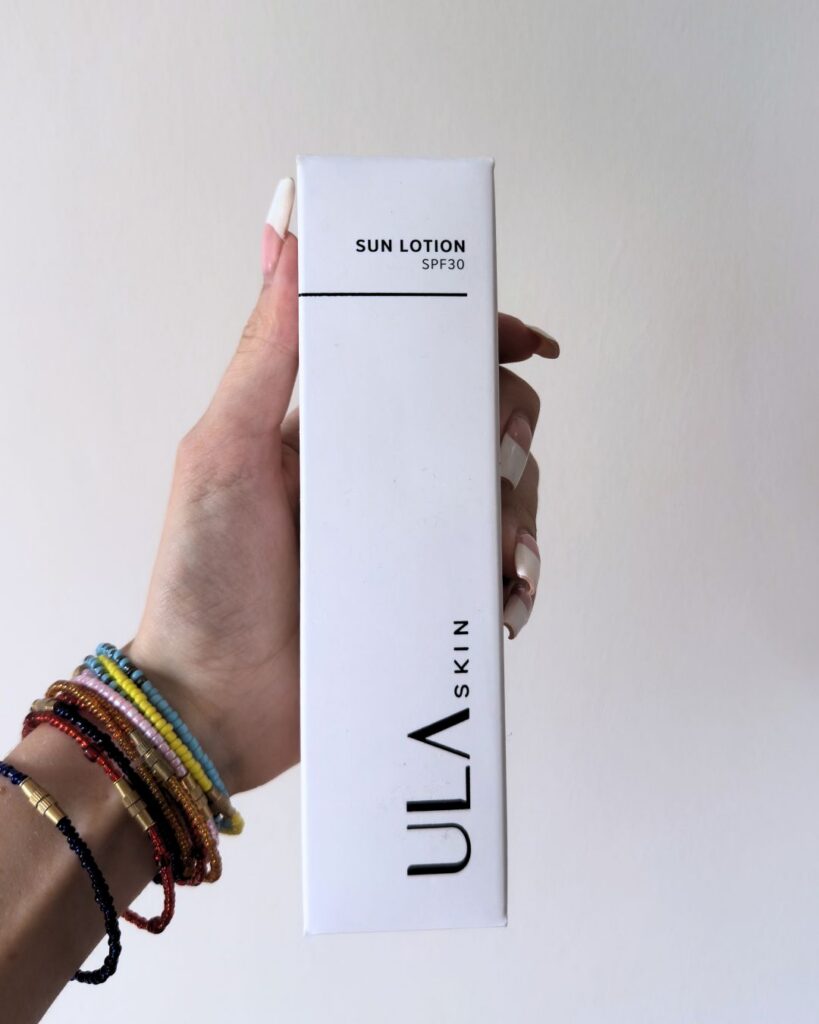
The Business Lessons Behind ULA Skincare
ULA Skincare’s approach offers several practical lessons for entrepreneurs looking to build a recognisable consumer brand.
First, a clear positioning strategy can help a business stand out in an overcrowded industry. ULA has chosen simplicity and hypochlorous acid as central elements of its identity rather than relying on a broad collection of unrelated skincare messages.
Second, scientific or technical differentiation needs accessible communication. Customers should be able to understand what makes a product different and why its formulation matters.
Third, brand values should influence business decisions. ULA’s stated commitments to responsible sourcing, recyclable packaging and cruelty-free processes connect its identity to considerations beyond the products themselves.
Finally, long-term brand development requires consistency. A business needs a recognisable purpose that can guide product decisions, customer communication and future improvements.
Ultimately, ULA’s story is built around a simple idea: skincare does not have to be complicated to be intentional. By placing science, skin biology and simplicity at the centre of its positioning, the South African brand has established a distinct philosophy in a competitive beauty market.
For aspiring entrepreneurs, the broader takeaway is that building a strong brand starts with knowing what it stands for, understanding the problem it wants to address and ensuring that its products and values communicate the same message.