South African Media Personality Thembisa Mdoda-Nxumalo Congratulates Award Winning Make-Up Artist Nomsa Madida On Her New Business Venture
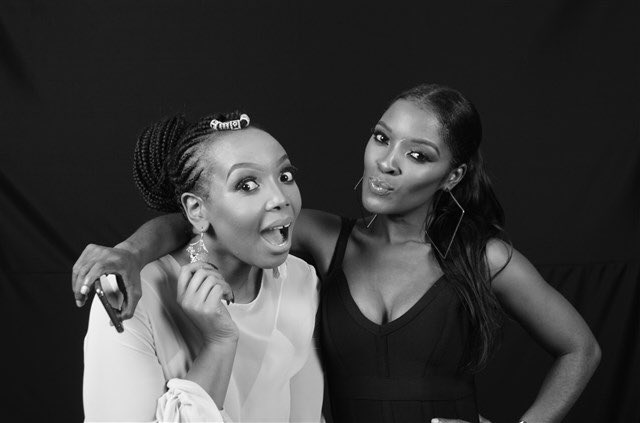
South African Media Personality Thembisa Mdoda-Nxumalo Congratulates Award Winning Make-Up Artist Nomsa Madida On Her New Business Venture. South African multiple award-winning presenter, actress, DJ, and singer Thembisa Mdoda-Nxumalo took to Twitter to congratulate award winning Make-Up artist Nomsa Madida on her new business venture called Sasa Cosmetics.
The post read, “Congratulations to my beautiful friend, for making her dream a reality this week. I love this for you @NomsaMadida. May your baby #SasaCosmeticssa grow in leaps and bounds.” Nomsa Madida announced the launch of her brand on 12 July in a Twitter post. The post read, “Announcement!! A dream finally coming to life, I’m so excited to introduce to you @sasacosmeticssa. I’ve been working on this baby for a minute, covid brought it to LIFE!”
Sasa Cosmetics is an online beauty, cosmetic and personal care store that aims to provide products that will cater for all skin tones and ethnicities. Nomsa Madida is one of S.A. entertainments most loved and respected make-up artists. She’s worked on a number of South Africa’s favourite television shows and does the best work in the business for sure. Some of the high profile media personalities she has worked with include Somizi Mhlongo and Thembisa Mdoda.
Cosmetics are constituted from a mixture of chemical compounds derived from either natural sources, or synthetically created ones.[1] Cosmetics designed for skin care can be used to cleanse, exfoliate and protect the skin, as well as replenishing it, through the use of cleansers, toners, serums, moisturizers, and balms. Cosmetics designed for more general personal care, such as shampoo and body wash, can be used to cleanse the body.
Cosmetics designed to enhance one’s appearance (makeup) can be used to conceal blemishes, enhance one’s natural features (such as the eyebrows and eyelashes), add colour to a person’s face and, in the case of more extreme forms of makeup used for performances, fashion shows and people in costume, can be used to change the appearance of the face entirely to resemble a different person, creature or object. Cosmetics can also be designed to add fragrance to the body.