How Fridah Khoza Turned Life’s Special Moments Into a Growing Brand
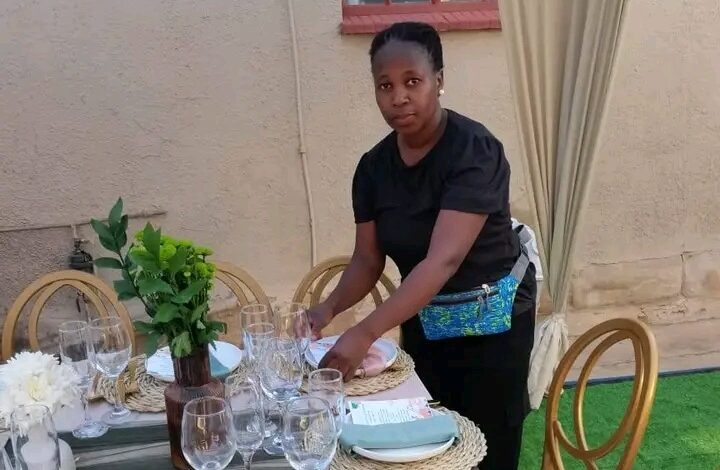
How Fridah Khoza Turned Life’s Special Moments Into a Growing Brand. Building a brand in the events industry takes more than a good eye for decor. It demands stamina, emotional intelligence, and the ability to turn once in a lifetime moments into unforgettable experiences. That is the space Fridah Khoza stepped into when she founded Kwetsima Glam Events in 2019. From the beginning, her focus was clear: create beautifully styled events that feel personal, thoughtful, and memorable.
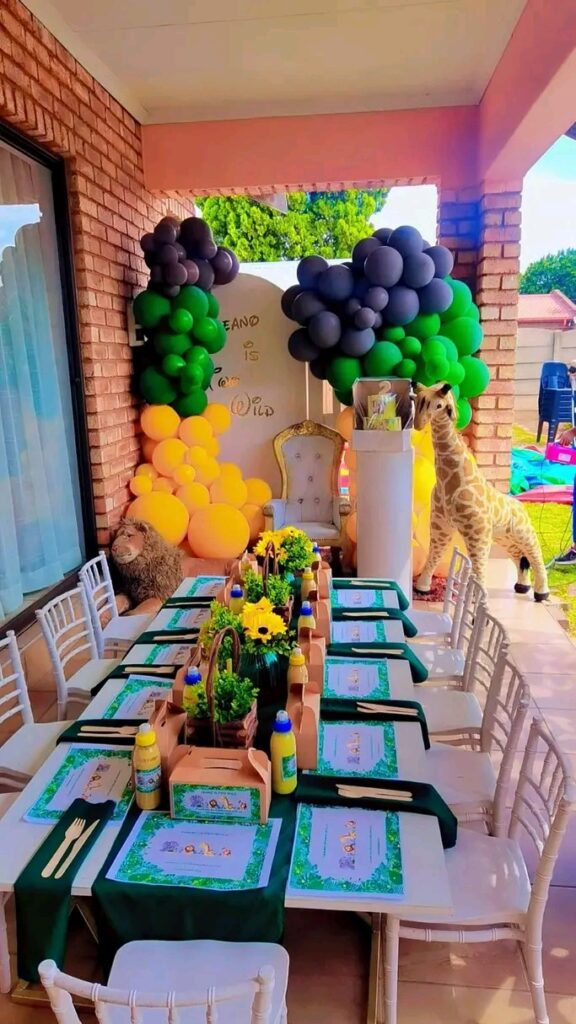
Today, Kwetsima Glam Events provides planning and decor services for weddings, baby showers, birthday parties, unveilings, romantic picnic setups, flower arrangements, and balloon garlands across Gauteng. While the service list is broad, the thread that ties it all together is attention to detail and a commitment to helping clients celebrate important milestones in their lives. Below are key insights entrepreneurs can learn from the journey behind this growing brand.
Starting with moments that matter
One of the most powerful decisions behind Kwetsima Glam Events was choosing to operate in a space built around meaningful life moments. Weddings, birthdays, baby showers, and romantic setups are not ordinary purchases. They are emotional investments.
By positioning her business around these occasions, Fridah placed her brand at the center of experiences people remember for years. For entrepreneurs, this highlights an important principle: when your product or service connects to strong emotions, your work carries deeper value. Customers are not only paying for decor or planning. They are investing in how they will remember a day.
Businesses that understand the emotional weight behind their offerings often build stronger relationships and benefit from word of mouth referrals.
Building a versatile service offering
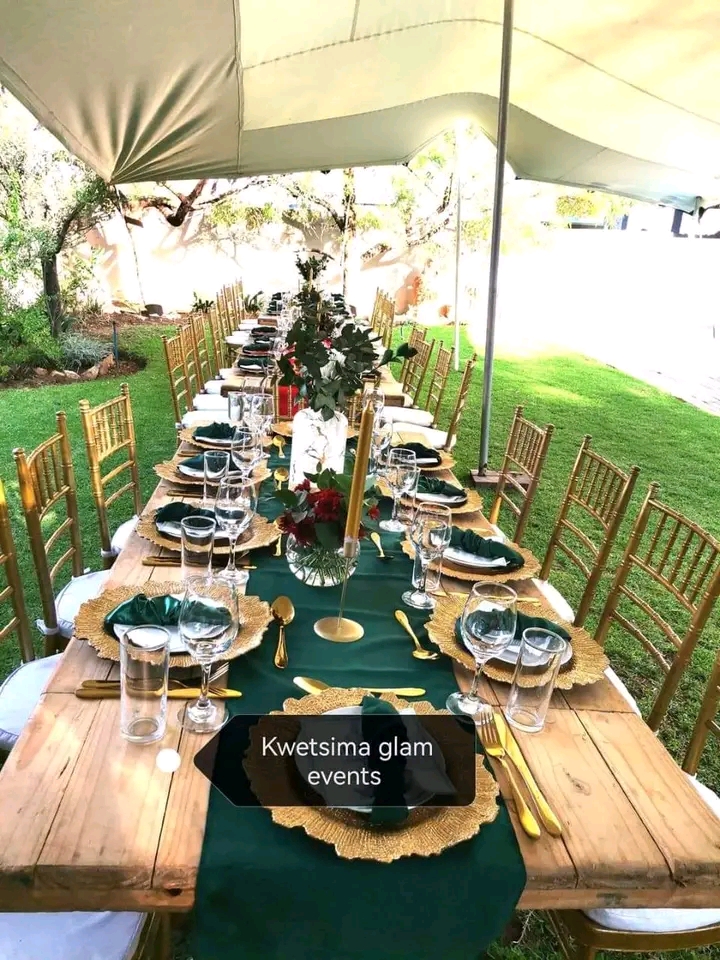
Kwetsima Glam Events does not limit itself to one type of event. From large celebrations like weddings to intimate romantic picnic setups, the brand serves a wide range of needs. Flower arrangements and balloon garlands also allow the business to take part in both full scale events and smaller, decor focused requests.
This kind of versatility creates multiple entry points for clients. Someone who first hires the company for a birthday setup may later return for a baby shower or wedding decor. For entrepreneurs, the lesson is clear: offering complementary services can create repeat business and long term customer relationships without needing to constantly chase entirely new markets.
It also allows a business to stay active throughout the year as different types of celebrations peak at different times.
Growing steadily over time
Fridah started Kwetsima Glam Events in 2019, and the business has been growing since then. While growth can look different for every entrepreneur, the key takeaway is consistency. Staying active year after year in a competitive industry like events requires reliability and sustained effort.
Many small businesses struggle not because their ideas are weak, but because they stop too soon. A brand that continues showing up, delivering services, and building its name over several years naturally strengthens its reputation. Longevity itself becomes a signal of trust.
Entrepreneurs can take inspiration from this steady path. Growth does not always come from one big break. Often, it is the result of repeated smaller wins that build confidence and credibility over time.
Serving a defined geographic market
Kwetsima Glam Events operates around Gauteng, a province known for its busy social calendar and diverse communities. By clearly serving a defined region, the business can focus its marketing, logistics, and client relationships within a manageable area.
For service based businesses, clarity about where you operate is crucial. It helps control travel costs, simplifies planning, and allows for stronger local brand recognition. Over time, being known as a go to provider in a specific area can be more powerful than trying to serve everywhere at once.
Entrepreneurs should note the value of becoming visible and reliable in one market before stretching too far beyond it.
Turning creativity into a business
Decor, floral styling, and event setups all rely heavily on creativity. What turns that creativity into a business is structure. By offering defined services such as event planning, balloon garlands, and themed setups, Kwetsima Glam Events translates artistic skill into clear, sellable packages.
This is an important lesson for many creative entrepreneurs. Talent alone is not enough. Clients need to understand what you offer and how it solves their problem. Clear service categories make it easier for people to book, budget, and recommend your business to others.
Creating experiences, not just setups
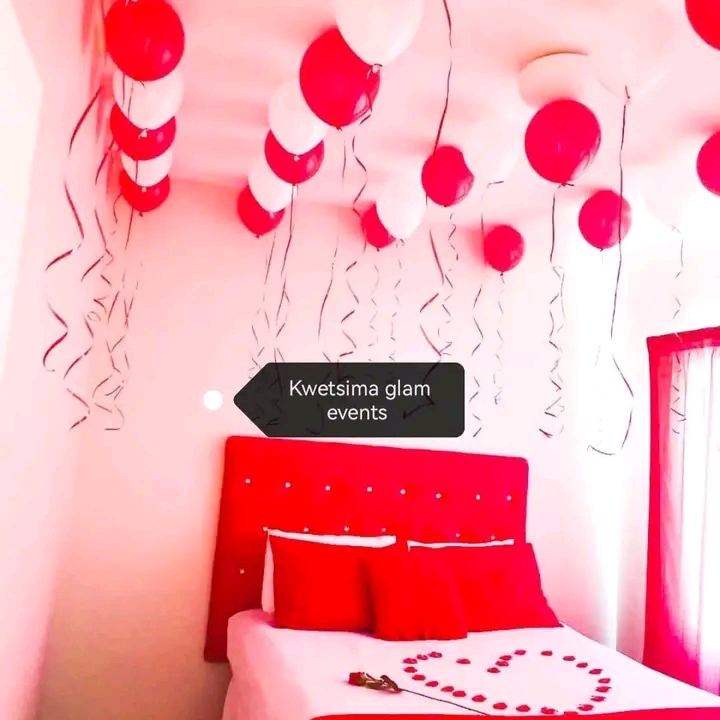
At its core, Kwetsima Glam Events is not simply about decorations. It is about atmosphere. A romantic picnic setup is about creating a space for connection. A wedding setup shapes the visual story of a couple’s big day. A baby shower decor theme helps welcome a new life with joy.
Entrepreneurs in any industry can learn from this perspective. When you frame your work around the experience you create, rather than only the physical product, your brand becomes more meaningful and memorable.
Fridah Khoza’s journey with Kwetsima Glam Events shows how focus, consistency, and a deep understanding of life’s special moments can turn a creative passion into a growing business.