NUK’s Evolution: From Dental Innovation to Global Baby Care Leader
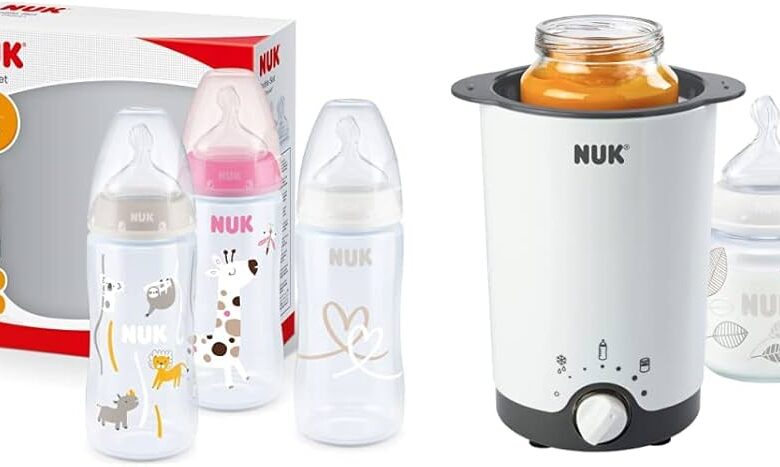
NUK’s Evolution: From Dental Innovation to Global Baby Care Leader. In 1956, two German dentists, Dr. Wilhelm Balters and Dr. Adolf Müller, observed a critical link between breastfeeding and healthy oral development in infants. Their insights led to the creation of the first asymmetrically shaped teat, designed to mimic the natural form of a mother’s nipple during breastfeeding. This innovation laid the foundation for NUK—a brand whose name stands for “Natürlich Und Kiefergerecht,” meaning “Natural and Orthodontic” in German.
Pioneering Research and Product Development
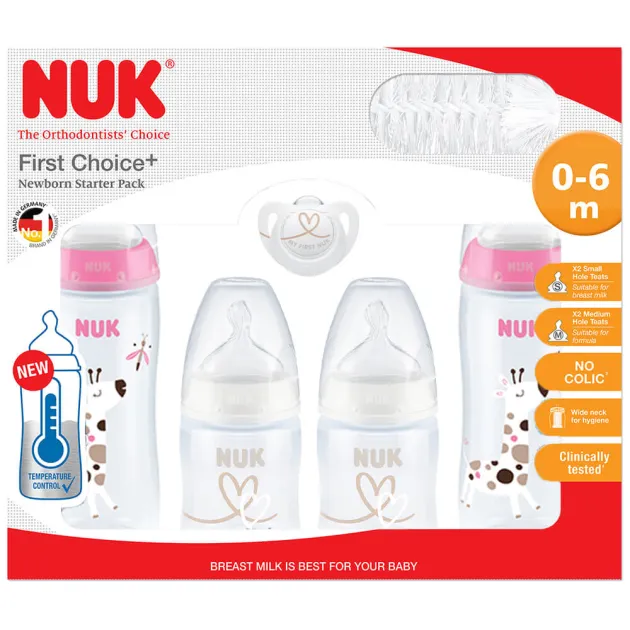
NUK’s commitment to scientific research has been a cornerstone of its product development. By integrating findings from medical experts and material scientists, NUK has continuously refined its products to support healthy child development. For instance, the company developed teats made from latex free from detectable allergens, addressing concerns for babies with latex sensitivities.
Furthermore, NUK introduced a “growing” size concept for teats and soothers, aligning product sizes with the developmental stages of infants and toddlers. This approach ensures that products meet the evolving needs of children as they grow.
Strategic Marketing and Brand Positioning
NUK’s marketing strategy emphasizes understanding the needs of both babies and parents. The brand’s “Understanding Life” platform focuses on providing solutions that support the natural development of children, reinforcing trust and reliability among consumers.
By highlighting its dedication to combining scientific research with practical solutions, NUK has positioned itself as a leader in the baby care industry. This strategy has been instrumental in building long-term customer loyalty and expanding its global reach.
Global Expansion and Adaptability
Starting from its base in Zeven, Germany, NUK expanded its operations internationally by 1975, exporting products to 48 countries. This global expansion required adapting to diverse markets and regulatory environments while maintaining product quality and brand integrity.
NUK’s ability to navigate different cultural and market dynamics has been crucial to its sustained growth. By understanding local consumer needs and preferences, NUK has successfully introduced its products to a broad audience worldwide.
Commitment to Sustainability
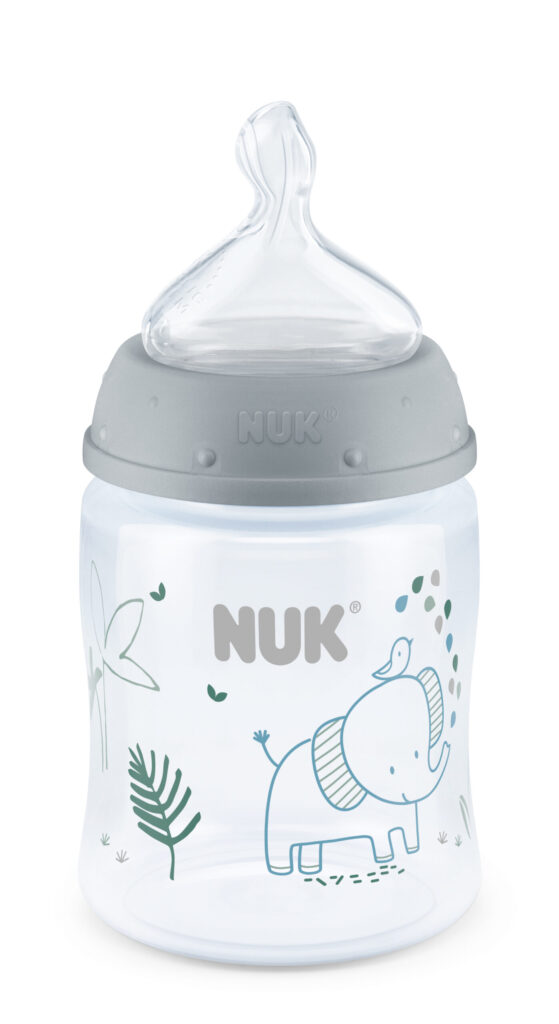
Recognizing the environmental impact of its products, NUK launched the “Soother Monster” recycling initiative in collaboration with HolyPoly. This program encourages consumers to return used pacifiers and baby bottles, which are then recycled into new products. Within ten months of its launch, the initiative collected over three tonnes of baby products, demonstrating NUK’s commitment to sustainability and responsible manufacturing.
Lessons for Aspiring Entrepreneurs
- Innovate with Purpose: NUK’s success began with a product that addressed a specific health concern. Entrepreneurs should focus on creating solutions that meet real needs.
- Invest in Research: Continuous investment in scientific research and product development can lead to innovations that set a brand apart.
- Understand Your Audience: Tailoring products and marketing strategies to the needs of your target audience fosters trust and loyalty.
- Adapt to Global Markets: Expanding internationally requires flexibility and a deep understanding of local markets.
- Embrace Sustainability: Implementing environmentally friendly practices can enhance brand reputation and meet consumer expectations.
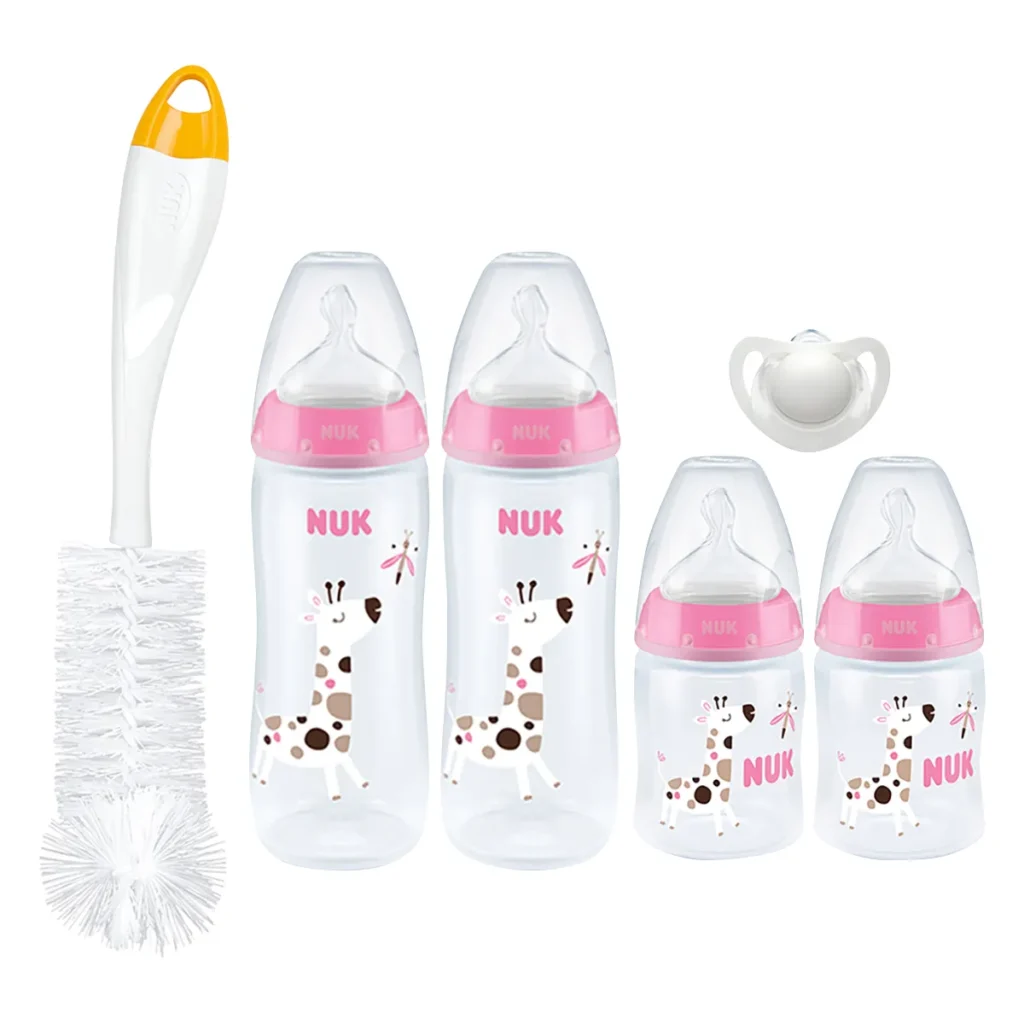
NUK’s journey from a dental innovation to a global leader in baby care products exemplifies how a commitment to research, understanding consumer needs, and embracing sustainability can drive long-term success. Aspiring entrepreneurs can draw valuable insights from NUK’s strategic approach to building a trusted and enduring brand.