Top 5 Best Selling Used Car Brands In 2020 (So Far)
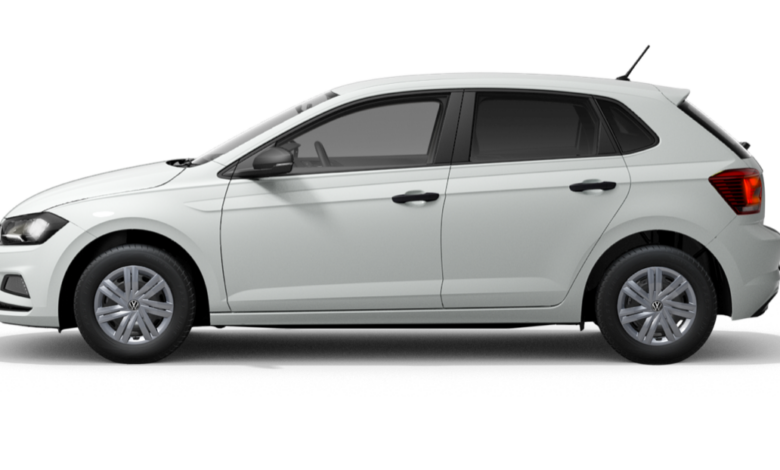
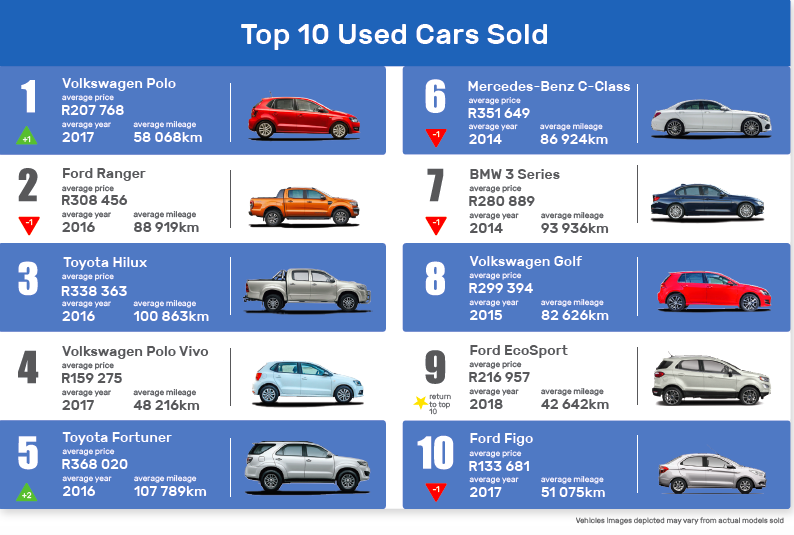
According to Autotrader’s latest report on Best Selling Used Car Brands In 2020 . Here is the Top 5 Best Selling Used Car Brands In 2020 (So Far). The list has car brands such as Volkswagen, Ford, Toyota and more!
Volkswagen Polo
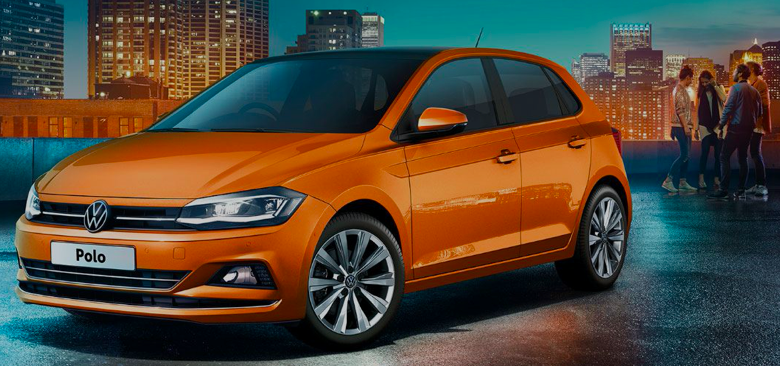
The moment you set eyes on Polo, you’ll see that every inch has been carefully considered to bring you a vehicle with charisma at every curve. From front to back, Polo features a masculine arrow-shaped tornado line. This distinct new design line cuts a dash along the side of the car, from the indicators all the way to the rear lights. This structures the car’s side profile, forming a strong shoulder section that gives Polo a bolder presence than before. The chrome trim and dark red tail lights in the bumper underline its sporty and elegant appearance, accentuating Polo’s key characteristics. With its contemporary design, Polo will inspire you to go from the dull, grey office rug to Hollywood’s red carpet.
Ford Ranger
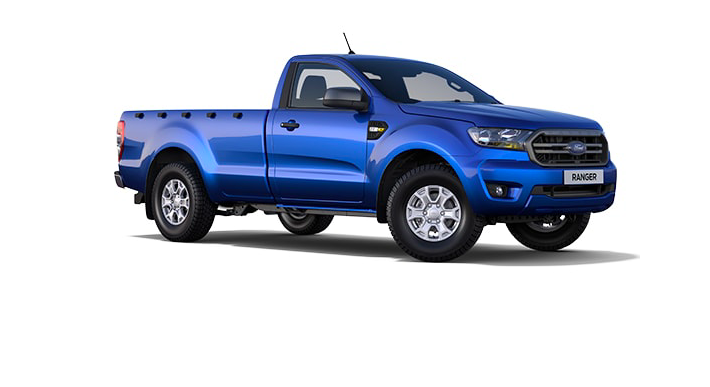
The new Ford RANGER is coming with many exciting changes. The stylish interior and innovative features are perfectly complimented by the exterior design changes of which the new bold grille is most eye-catching. The RANGER’s 5-star safety credentials and range of cab styles will also satisfy everyone’s needs.
Toyota Hilux
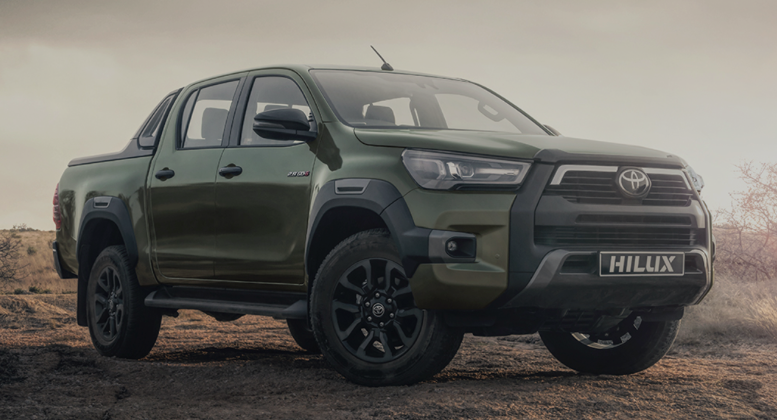
South Africa’s favourite bakkie is back and tougher than ever, introducing the all-new Hilux Double Cab. This bakkie with its improved 2.8-litre* diesel engine and new fearlessly bold styling was made for those who seek adventure, who want to get the job done and will do whatever it takes to achieve that. For work, play and everything in between, experience the all-new Hilux.
Volkswagen Polo Vivo
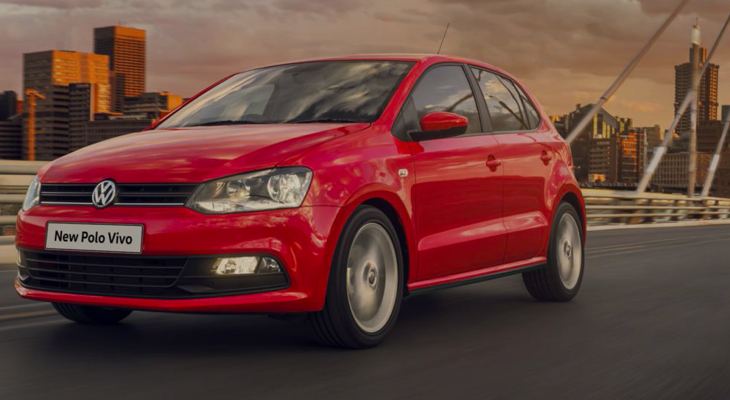
The Polo Vivo is here and it’s equipped with a variety of features to suit you and your crew. From the front electric windows, ISOFIX mounting points for baby seats, Ultrasonic alarm, to its stylish exterior and sound system, the Polo Vivo has it all. With features as attractive as this, everyone will want to share the ride.
Toyota Fortuner
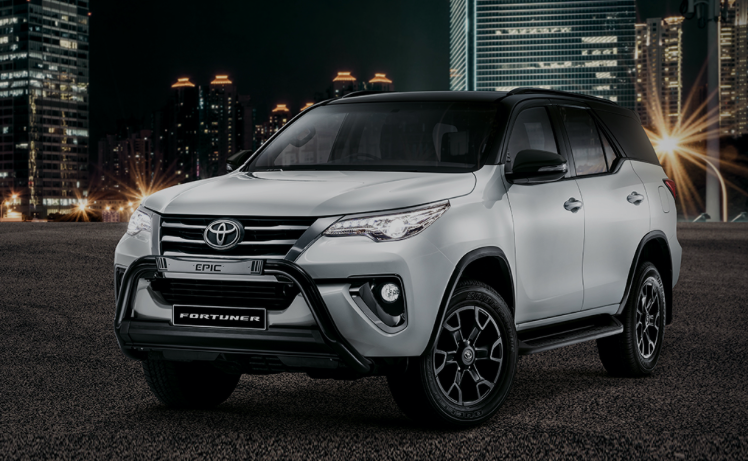
Whatever epic adventure you choose, be it a journey that takes you on a scenic coastal drive or off the beaten track, the Toyota Fortuner will get you there – and further! With its incredible petrol and diesel engines, you’ll always have enough power to get you there, and the high-end quality finishes of its distinct bold body guarantees you’ll arrive in style. Go and experience your most epic adventure yet.
Check out the full list below