Bowmans Appoints Zingisa Motloba As Partner In Its Johannesburg Private Equity Practice
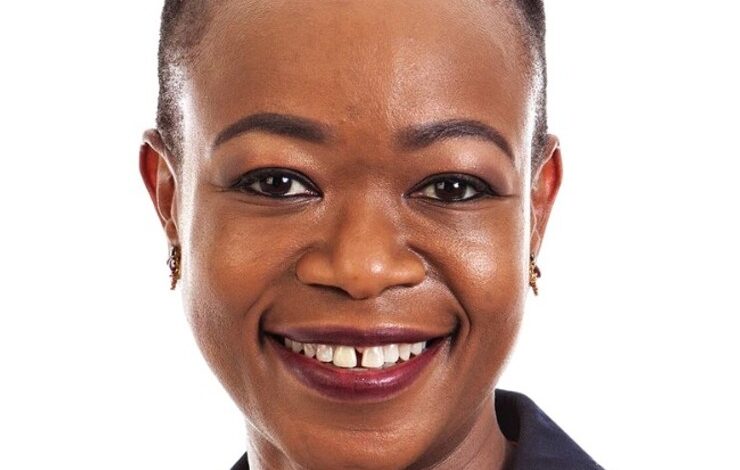
Bowmans Appoints Zingisa Motloba As Partner In Its Johannesburg Private Equity Practice. Leading African law firm Bowmans is further strengthening its private equity presence through the appointment of Zingisa Motloba as partner in its Johannesburg office.
“Zingisa has an impressive array of skills and experience, including an excellent understanding of risk management in ESG matters, from which our private equity clients stand to benefit” says Ezra Davids, Bowmans chairman and senior partner. Spanning over 20 years, Zingisa’s career has been varied and versatile. She is returning to her roots as a private equity lawyer with extensive experience gained in legal, compliance and governance roles in the private and public sectors, as well as in business strategy and leadership consulting.
After completing her articles, being admitted as an attorney, and rising to the rank of senior associate, Zingisa left private practice to complete an MBA at the Gordon Institute of Business Science (GIBS). Thereafter she worked in the private sector, first at Blue IQ Investment Holdings as company secretary; then at Mercedes-Benz as head of legal; then at Eskom as senior manager: legal compliance; and finally at the South African Bureau of Standards as executive: standards development. She went on to found Alchemy Africa, in 2019, delivering a range of consulting, advisory and training services.
Zingisa’s qualifications are as rich and varied as her experience. She has a BA from the University of KwaZulu-Natal and an LLB from Unisa. She has also completed a management advancement programme at the Wits Business School, an MBA at GIBS, and various other post-graduate courses covering power sector reform and regulation, industrial policy for decision-makers, and sustainability reporting procedures.
Zingisa is well known in South African business circles, not only as a legal and compliance expert, but also in her capacity as chairperson of Business and Arts South Africa (BASA); advisory board member of African Women in Energy and Power; and regional member of the International Union for Conservation of Nature (IUCN) where she serves on its International Standards Committee on Nature Based Solutions.
“We are delighted to have someone with such a broad range of skills and interests join us. Zingisa’s experience with ESG issues is particularly relevant within an environment of increasing focus on sustainability, and she has recently advised a number of private equity firms on these considerations,” says Davids.” She will undoubtedly make a positive contribution on our client matters.”