Where Mobility Meets Ingenuity: The Story Behind The Wheelchair Doctor

Where Mobility Meets Ingenuity: The Story Behind The Wheelchair Doctor. A business does not always begin with a grand factory or major funding. Sometimes it begins with a problem that is impossible to ignore. For Ernest Mongezi Majenge, that problem was mobility. Today he is the founder of 911 The Wheelchair Doctor and Manufacturing, a Johannesburg based company focused on wheelchair repair and manufacturing. But before the recognition, awards, and innovation, there was a simple starting point in 2018: fixing wheelchairs.
Ernest Majenge, originally from Germiston, holds a Baccalaureus Technologies degree in Internal Auditing from Nelson Mandela University and a National Diploma in Accountancy from the University of Johannesburg. His background in finance and auditing gave him structure, but his journey into social entrepreneurship gave him purpose.
From Repair Services to Manufacturing Vision
The Wheelchair Doctor began operating in 2018 as a wheelchair repair service. This starting point shaped the entire business model. Instead of jumping straight into manufacturing, Majenge first worked directly with broken equipment and the people who relied on it.
Repair work offered more than income. It provided insight. He could see where standard wheelchairs failed, how environments affected mobility, and what users actually needed. That hands on exposure later influenced the company’s product development.
One major lesson for entrepreneurs is clear here. Starting with services can reveal gaps that lead to better products. Close contact with real customer challenges builds solutions based on facts, not assumptions.
Designing With Users, Not Just For Them
A defining feature of The Wheelchair Doctor is the involvement of wheelchair users in the design process. The company highlights that users are the most knowledgeable about their physical, environmental, social, and cultural needs. This approach shifts innovation from guesswork to collaboration.
Majenge himself has spoken about an early mistake of developing a product based on assumptions rather than facts, which did not succeed in the market. That experience became a turning point. It reinforced the importance of listening before building.
For founders, this is a powerful reminder that innovation is strongest when shaped by the people it serves.
Innovation Driven by Real World Conditions
As the business grew, The Wheelchair Doctor moved beyond repairs into manufacturing. One of its developments includes devices that help people with reduced mobility go up and down stairs while seated in a wheelchair, assisted by someone maintaining balance.
The company is also developing an all in one wheelchair designed to adapt to different environmental conditions. According to the company, this includes use in urban areas, rural settings, bush environments, and even beaches. This focus on varied terrain reflects the realities of South African and broader African environments, where infrastructure can differ widely.
Another product, the Ruby wheelchair, is designed to climb and descend stairs, which sets it apart in urban settings where stairs remain a barrier to access.
The lesson here is about relevance. Products that respond to real environmental challenges are more likely to meet genuine demand.

Building Credibility Through Community Work
The Wheelchair Doctor has worked with several institutions and clients, including Takalani Home for Mental Handicapped in Soweto, Philip Kushlik School in Soweto, Adelaide Tambo School in Soweto, and private clients in areas such as Phumula, Katlehong, and Alberton. The company has also been in negotiations with Ezibeleni School in Katlehong and Bara Hospital.
Serving schools and care facilities builds both impact and trust. These partnerships show how social enterprises can grow by solving urgent community needs while strengthening their reputation.
Entrepreneurs can learn that early partnerships with institutions can create steady work and long term relationships.
Recognition That Reinforced Momentum
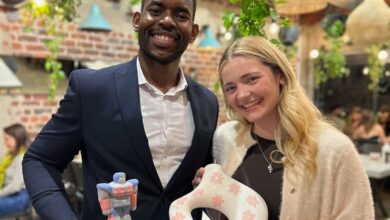
Majenge’s work has earned recognition in several competitions and awards. He was named among the Top 100 Business Shining Stars by the City of Ekurhuleni in 2019. He was also a finalist in the Ekurhuleni Lion’s Den Pitching Competition in 2018, a finalist at the South African Innovation Summit in 2020, and a winner of the Transnet Matlafatso Centre pitching competition. His innovation has also been recognised in disability empowerment awards.
These milestones did more than add trophies. They increased visibility, credibility, and access to new networks. For a growing enterprise, recognition can open doors that would otherwise remain closed.

Lessons From The Wheelchair Doctor Journey
Ernest Majenge’s journey shows that strong businesses can grow from service roots, especially when they solve meaningful problems. Start by understanding the daily realities of your customers. Involve users in the design process. Build solutions based on evidence, not guesswork. Focus on environments and conditions that others overlook. Use partnerships and competitions to build credibility and reach.
At its core, The Wheelchair Doctor is driven by a simple mission: restoring dignity through mobility. That mission, supported by practical innovation and community engagement, continues to shape its growth.