
Building Healthcare Where It Matters: The Lessons from Clinix Health Group’s Rise Under Dr Khamane Matseke

Building Healthcare Where It Matters: The Lessons from Clinix Health Group’s Rise Under Dr Khamane Matseke. Clinix Health Group today stands as a powerful symbol of what happens when vision meets persistence. Founded by Dr Khamane Obed Peter “KOP” Matseke, this is the story of how a doctor from Soweto turned bold ideas into eight private hospitals, 1 400-1 500 beds, and over 2 600 employees and what every entrepreneur can learn from that kind of growth.
The Early Years: From Medical Practice to Social Mission
Dr Matseke began his career as a surgeon in public service, working at Chris Hani Baragwanath Hospital, and also managing his own private practice. In 1992, he founded Clinix Health Group, starting with fewer than five people. The first hospital, Clinix Botshelong-Empilweni Private Hospital, opened in 1994 in Vosloorus.
What stands out is that Dr Matseke explicitly built Clinix to serve underserved communities. Discrimination in the apartheid era had left black townships without quality private health care. He set out to change that, anchoring Clinix’s mission in accessibility and quality.

Key Turning Points: Expansion and Deepening Impact
Growing the Hospital Network
Over the years, Clinix expanded from that first hospital to eight owned and managed hospitals, with approximately 1,400-1,500 beds. The group focuses especially in Gauteng, North West and Limpopo provinces.
Re-naming and Legacy Building
One important moment was renaming Lesedi Clinic in Soweto to Dr SK Matseke Memorial Hospital in 2016. This signalled more than branding, it was an acknowledgment of legacy, identity and connection to community.
Introducing Specialist Services
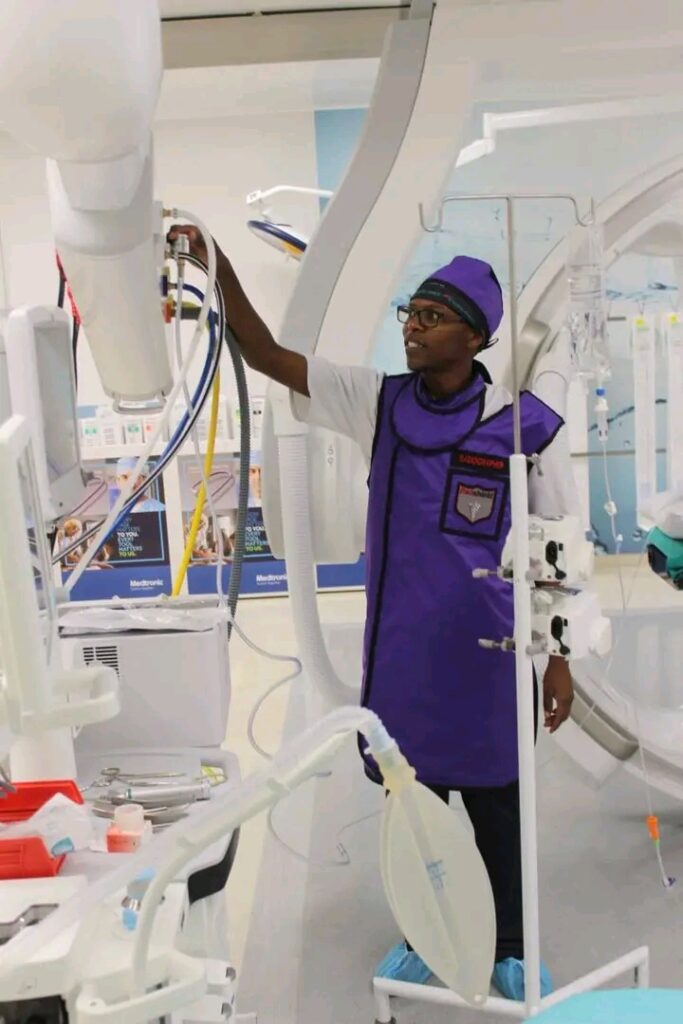
A crucial strategic move was bringing cardiac services to Dr SK Matseke Memorial Hospital. In 2019, Clinix was granted a license for cardiac facilities at that hospital, including a hybrid cardiac theatre and image-guided therapy platform. That expanded both the medical offerings and trust in Clinix as a provider of serious, high-quality care.
Strategies and Strengths Behind the Success
Community Focus and Local Employment
Clinix made a point of hiring from the communities it served. 95 percent of nursing, cleaning and administration staff are drawn from local communities, with over 90 percent of all employees being female. This created local buy-in, social legitimacy, and helped build trust.
Balancing Quality and Affordability
Clinix always walks a fine line: delivering high standards (modern theatres, ICU, specialist care), while making those services available in townships and peri-urban areas. For example, the cardiac facilities in Soweto mean people don’t have to travel far for serious heart procedures.
Innovation and Partnerships
Dr Matseke and Clinix have embraced technology and partnerships. From remote monitoring tools to collaborating with government health departments for licensing and service expansion. Clinix has also invested in refurbishing and expanding hospitals, undertaking large capital projects.
Emphasis on Vision, Governance and Leadership
Dr Matseke completed a Management Advancement Programme (MAP) at Wits Business School. Clinix has also established strong governance via a board of directors, social and ethics committees, risk management, ensuring that growth is sustainable and ethical.
Challenges Overcome
- Historical inequality: Starting when private healthcare was mostly inaccessible for black communities. Clinix had to build trust and infrastructure where little existed.
- Regulatory and licensing hurdles: Getting licenses for cardiac services, for example, required negotiation, investment, and compliance.
- Maintaining quality across scale: As the number of beds and hospitals grew, so did demands on staffing, equipment, and hygiene. Clinix had to set high internal standards.
- Balancing cost pressures: Operating in lower income areas means clients may struggle to pay, yet the cost of sophisticated healthcare services is high. Clinix has needed to find efficiencies and manage financial sustainability.
Milestones That Marked Clinix’s Rise
| Milestone | What Changed |
|---|---|
| Founding and opening first hospital (1994) | Clinix officially entered the inpatient private healthcare space in a township area (Vosloorus). |
| Renaming Lesedi to Dr SK Matseke Memorial (2016) | Strengthened brand identity and personal legacy. |
| Introduction of cardiac facilities at Dr SK Matseke Memorial | Expanded specialist services, improved trust and reduced travel burden for heart patients. |
| Growing to eight hospitals and over 1 400 beds | Scale that gives capacity to serve more people, diversify services, and spread risk. |

Actionable Insights Entrepreneurs Can Apply
- Build with mission in mind: Identify real gaps, Clinix filled gaps in private healthcare access in underserved areas.
- Start small but with strong foundations: First hospital with few staff, then scale thoughtfully.
- Invest in governance: Training, leadership, management programs ensure you can handle scale without losing quality.
- Hire locally and build talent: Employees from the community give loyalty, cultural understanding, and social impact.
- Expand services through specializations: Don’t just grow in size; grow in capability, cardiac services is an example.
- Leverage partnerships: With government, regulatory bodies, suppliers, communities.
- Sustain financial health while keeping cost accessible: Use innovation, efficiency, and scale to manage cost structure.
What’s Next: Vision for the Future
Clinix continues to plan hospital expansions and renovations, aiming to bring even more advanced healthcare services into historically underserved communities. They are also positioning for bigger impact under increasing pressure for National Health Insurance and broader access to healthcare.