SA StartUp GetWorth Continues Partnership With GRIT
SA StartUp GetWorth Continues Partnership With GRIT. GetWorth, a leading car and technology company, continues their partnership with GRIT – Gender Rights in Tech (formerly Kwanele), an accredited NGO dedicated to ending gender-based violence (GBV) in South Africa. Together, they are taking a powerful stand against GBV, bringing hope and safety to those affected.
This innovative collaboration brings together two forces for good: GetWorth’s dedication to social impact initiatives (CSI) and GRIT’s unwavering fight against GBV. With a shared vision to create safer communities and empower survivors, the partnership seeks to drive awareness and support for this critical cause.
GRIT recently hosted an intimate event at getWorth offices to celebrate two incredible milestones: The launch of GRIT’s new name, embodying both the resilience of survivors and the impact of the tech they build. As well as the official kick-off of the exciting 2024 partnership with getWorth, who will be raising dedicated funds for GRIT and its survivor support initiatives. Here’s how it will work: throughout July to August, getWorth has made a resolute pledge – to raise a minimum total of R100,000 through the buying and selling of cars, to contribute to GRIT, thereby channeling support to empower survivors and promoting crucial initiatives against GBV.
This inspiring step can magnify the reach and support available to survivors, making a significant difference in their journey toward healing and justice. The financial support is set to empower survivors and create a positive change in their lives, including the improvement of GRIT’s safety, reporting and evidence storage app, and the development of their AI Chatbot, to further support survivors and help existing survivors through legal proceedings.
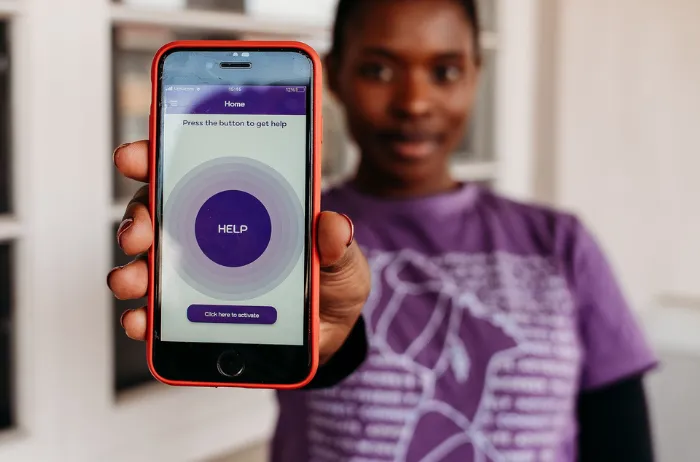
GRIT and getWorth have a common longer-term goal – to promote the GRIT mobile app and its vital role in supporting survivors and providing access to justice. The GRIT app equips survivors with the tools they need to take back control. The emergency panic button triggers an immediate armed response, with 20 seconds of live audio recording stored securely in a personal vault for potential evidence. The secure vault safeguards photos, documents, and any critical evidence for prosecution for up to 10 years. GRIT understands the complexities surrounding GBV reporting. Fear and other factors can significantly delay a survivor’s decision to come forward. That’s why the app goes beyond evidence collection. It connects survivors with a vital support network – counselling, shelters, and legal aid – ensuring they are not left alone on their journey to healing and justice.
GRIT and getWorth recognize the power of collaboration and the strength of their respective marketing channels. Together, they aim to raise awareness, not just for their brands, but for the cause that affects countless women and youth in South Africa. The initiative requests support from community radio stations, media partnerships, social media, digital platforms, and PR to create a united front against GBV. Leonora Tima, CEO of GRIT, expressed gratitude, stating: “We’re thrilled to embark on this longer chapter together with getWorth, and with their support, we can continue building tech that empowers survivors and creates a future filled with safety and reassurance. This partnership is a powerful testament to the impact that conscious consumerism can have in creating positive change.”
Jamie Surkont, co-founder and CEO, highlights getWorth’s involvement, “At getWorth, we’re proud to support GRIT for the second year in a row. Our commitment to gender equality in our team mirrors our dedication to making a real difference in our community. Together, we’re working towards a future where everyone feels safe and valued.”