
How Dr Mike Mikia Ramothwala Built a Multi-Dimensional Business From Township Roots
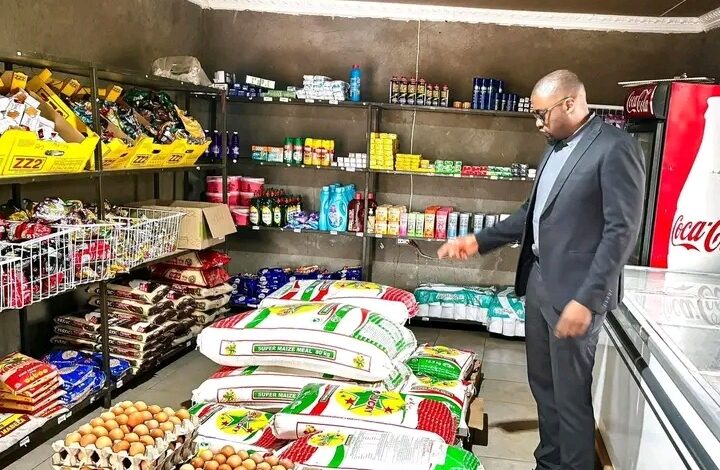
How Dr Mike Mikia Ramothwala Built a Multi-Dimensional Business From Township Roots. Meet Dr Mike Mikia Ramothwala, a medical doctor and entrepreneur originally from Bochabela village between Giyani and Kgapane in Limpopo. Raised in a large family and inspired early by clinic visits with his grandmother, Ramothwala earned his medical degree at University of Cape Town (UCT) and later studied public management and health economics.
But alongside his career in medicine, Ramothwala nurtured a vision, to promote youth entrepreneurship and revitalize township and village economies. He launched a multi-strand business venture that began with a spaza shop at his home village, added a bakery for bread supply to the shop, started layers for egg production and then began selling chicken feeds to surrounding village farmers. These steps reveal a rich narrative of strategy, growth and actionable business lessons.
Finding the Opportunity and Starting Lean
Ramothwala identified a foundational gap: in many rural villages, basic retail, bakery and poultry supply chains were informal or absent. By starting a spaza shop at his own home village he inserted himself into a demand-driven ecosystem and took ownership of key supply segments. This first move was lean and practical: rather than large investment, he repurposed what he had and plugged into local need.

Turning Point – Adding a Bakery
Once the spaza shop was up and running, Ramothwala saw another adjacent opportunity: bread. By launching a bakery, he created vertical integration – he supplied the bread his shop sold. This move doubled the value chain: retail plus production. The lesson for entrepreneurs is that once you secure your initial model, look adjacent upstream or downstream to capture more value while satisfying your current customers.
Scaling Further – Poultry Layers and Feeds
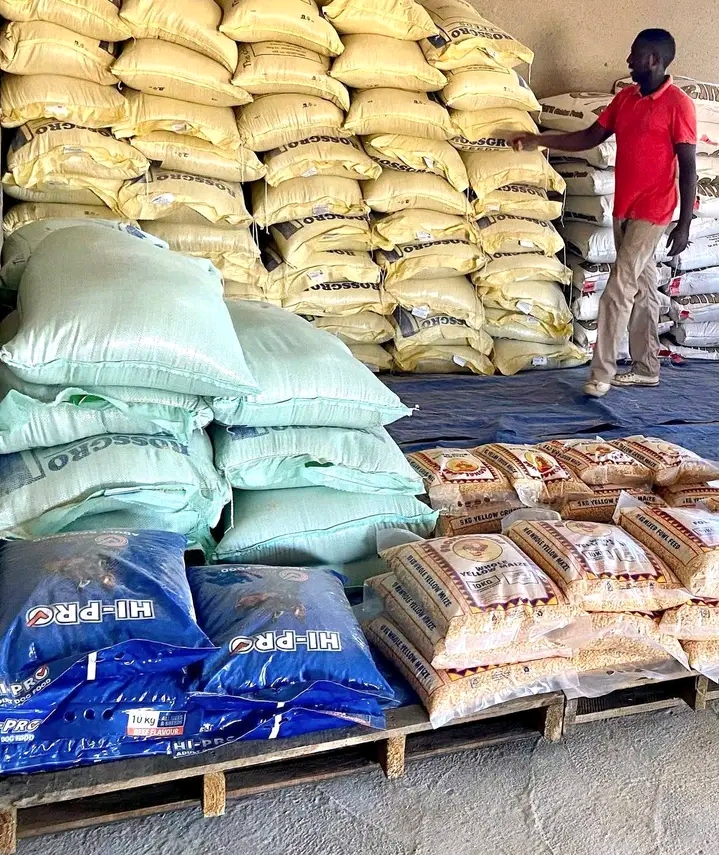
The next milestone was the launch of a layers farm to produce eggs, again feeding his own shop and others. Then he spotted the feed market and began selling chicken feeds to farmers in the surrounding villages. Movement from retail to production to input-supply is strategic layering of business lines. Here the strength lies in diversification anchored in what you already understand. For aspiring entrepreneurs: build one business well, then expand into related lines you know.

Strategic Marketing and Local Anchoring
Although not documented extensively in public sources, Ramothwala’s approach shows smart marketing through credible service and community anchoring. He is known in his region for combining healthcare leadership with business activism, which boosts his personal brand and business credibility. His target market remained local but with ambition for growth beyond immediate area. Entrepreneurs should note: credibility and service matter, especially in communities where trust is key.
Challenges Overcome and Systems Built
Operating in rural and township economies comes with hurdles: logistics, supply consistency, cash flow, regulatory compliance. In Ramothwala’s case his medical leadership record shows that he thrives in complex systems, he was one of the youngest Senior Clinical Managers at Letaba Hospital at the age of 28. This suggests discipline and systems thinking transferred to his business. Lessons: build systems early, even as you scale; just growing revenue without process invites chaos.
Opportunities and Strengths Leveraged
Ramothwala leveraged multiple strengths: his access to health leadership networks, a recognition for community service, and knowledge of rural-village infrastructure. His business lines (shop, bakery, egg farm, feed supply) tap into the township economy which South African analysts say is evolving and under-penetrated. He also seized opportunities in diversification and scale systematically rather than randomly. The lesson: know your market (rural/township), anchor in a strength (community trust, supply gaps), and then build outward.
Actionable Insights for Entrepreneurs
- Start where you are and build relevance: Ramothwala began with his village and knew the demand. You don’t need metropolitan scale to start.
- Control the value chain: From retail to production to input supply, he captured more value by expanding smartly.
- Anchor in your community: Trust was built because he remained local and accessible. Community business is competitive but loyal.
- Build systems and leadership capacity: His background in healthcare shows that operational discipline matters. As you grow, invest in process.
- Leverage adjacent opportunities: Instead of launching unrelated lines, expand into markets you already serve or know.
- Keep your mission visible: His vision to empower youth and rural economies gives deeper motivation and brand identity beyond profit.
Why This Story Matters
Dr Mike Ramothwala’s business journey is not about flashy tech startups or overnight unicorns. It is about grounded entrepreneurship in rural South Africa, about repairing value and opportunity in places often overlooked, and about scaling smart through strategy rather than hype. For entrepreneurs everywhere, his steps show that you can build a successful brand by identifying local gaps, serving them consistently, diversifying meaningfully and anchoring in purpose.