
From Tzaneen to National Shelves: The Unconventional Business Lessons Behind Tin Stuff Canning Factory
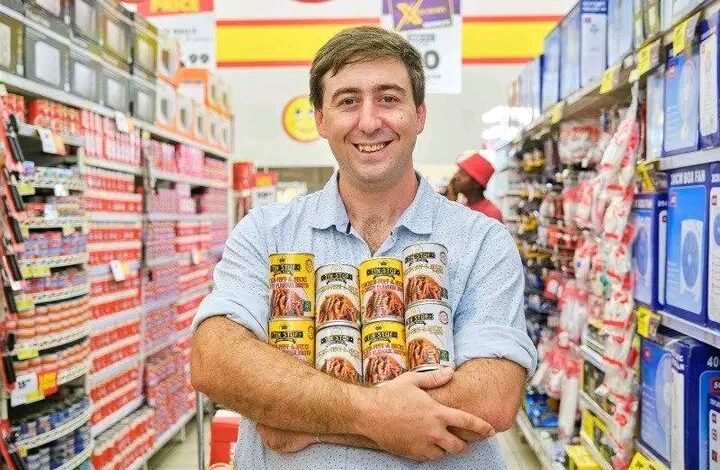
From Tzaneen to National Shelves: The Unconventional Business Lessons Behind Tin Stuff Canning Factory. Some of the most powerful business ideas are born far from trends and boardrooms. They emerge from understanding overlooked needs and turning them into scalable solutions. Tin Stuff Canning Factory, founded by Eiren Drake from Tzaneen in Limpopo, is a clear example of how innovation rooted in local consumption habits can unlock national opportunity.
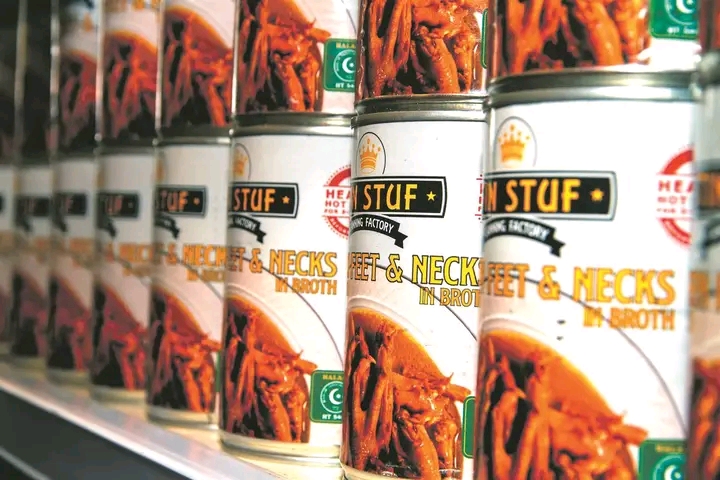
By producing canned chicken feet and necks and placing them on Shoprite shelves nationwide, Tin Stuff Canning Factory has carved out a unique position in South Africa’s food manufacturing landscape. The brand’s journey offers grounded lessons on product innovation, distribution strategy, and building credibility in a highly regulated industry.
Seeing Value Where Others Look Away
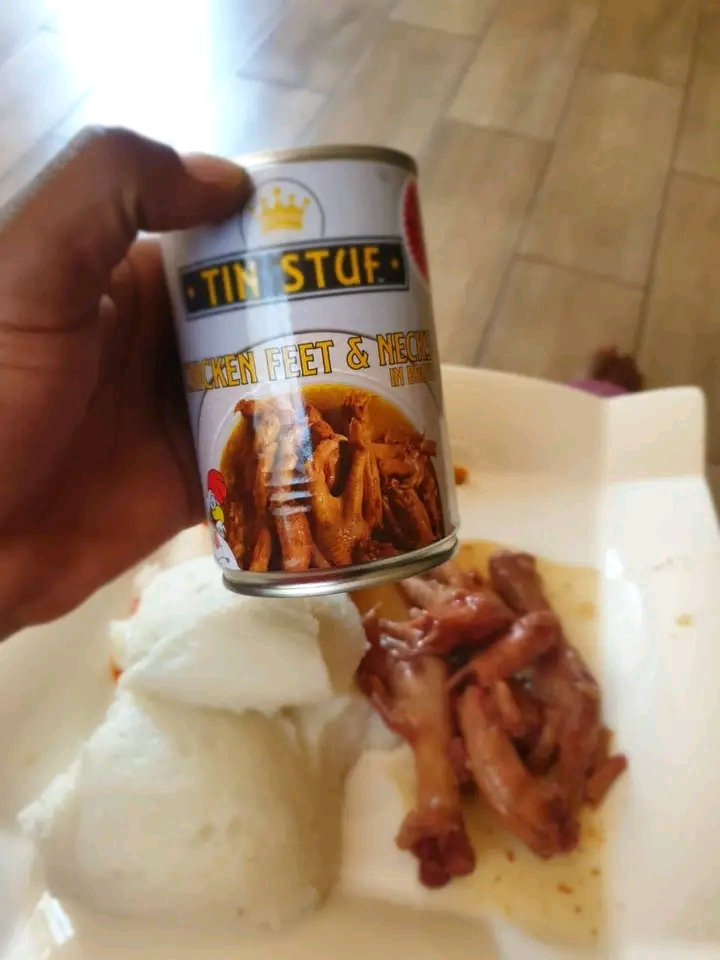
Chicken feet and necks are widely consumed across South Africa, yet they have traditionally been sold fresh or frozen. Eiren Drake identified an opportunity to reimagine these products through canning, extending shelf life while preserving accessibility. This decision did not rely on creating new demand, but on serving existing demand in a more convenient format.
The key lesson here is market awareness. Instead of chasing saturated product categories, Tin Stuff focused on a familiar staple and asked a different question: how can this be delivered better? Entrepreneurs often overlook everyday products, yet they can offer the most reliable pathways to scale.
Building a Manufacturing Brand From Limpopo
Operating from Tzaneen, Tin Stuff Canning Factory demonstrates that industrial manufacturing is not limited to major metros. The business employs 35 people, showing how production based enterprises can contribute meaningfully to local employment.
Establishing a canning factory requires compliance, consistency, and operational discipline. While the process is complex, Tin Stuff’s progress highlights the importance of committing to quality and structure from the outset. For entrepreneurs, the takeaway is clear. Sustainable growth often depends on operational excellence long before brand recognition follows.
Strategic Distribution as a Turning Point
One of the most defining milestones for Tin Stuff Canning Factory was securing nationwide placement in Shoprite stores. This move transformed the business from a local producer into a nationally visible brand.
Rather than relying on informal or fragmented distribution channels, Tin Stuff aligned with a major retailer known for scale and reach. This strategy underscores a vital lesson. Distribution can be as important as the product itself. For food entrepreneurs, understanding retail standards, consistency, and supply reliability is essential to unlocking larger markets.

Innovation That Serves the Consumer
Tin Stuff’s canned chicken feet and necks stand out not because they are flashy, but because they solve practical problems. Canning allows for easier storage, longer shelf life, and accessibility for consumers who may not have regular access to fresh produce.
This form of innovation is rooted in function, not novelty. It reflects a deep understanding of consumer needs rather than an attempt to reinvent consumption habits. Entrepreneurs can learn from this approach by prioritising usefulness over trends.
Employment and Enterprise Growth
With 35 employees, Tin Stuff Canning Factory demonstrates how small to medium manufacturing businesses can drive economic impact beyond profit. Job creation becomes part of the brand’s footprint, reinforcing its relevance within the communities it operates in.
This aspect of the journey highlights an often overlooked strength. Businesses that create employment at scale naturally build resilience and stakeholder trust. Growth is no longer just personal success, but shared progress.
Lessons for Aspiring Entrepreneurs
The Tin Stuff story offers practical insights for anyone building a product based business:
Start with what people already consume and improve how it is delivered.
Do not underestimate the power of processing and packaging innovation.
Invest in operational systems early, especially in regulated industries.
Prioritise distribution strategy as a core business function.
Build businesses that create jobs and long term value.
These lessons are not theoretical. They are reflected in the tangible outcomes Tin Stuff has achieved through disciplined execution.
A Blueprint for Scalable Local Innovation
Tin Stuff Canning Factory proves that global firsts do not always come from high tech labs. Sometimes they come from understanding everyday products deeply and being willing to do the work required to scale them properly.
From Tzaneen to Shoprite shelves nationwide, Eiren Drake’s journey shows that bold ideas, when paired with execution and market awareness, can transform overlooked products into national brands. It is a reminder that innovation does not have to be loud to be powerful. It simply has to work.