
The Rise of a R1000 Vision: What Entrepreneurs Can Learn from Cphesihle Tshibi’s Fresh Produce Journey
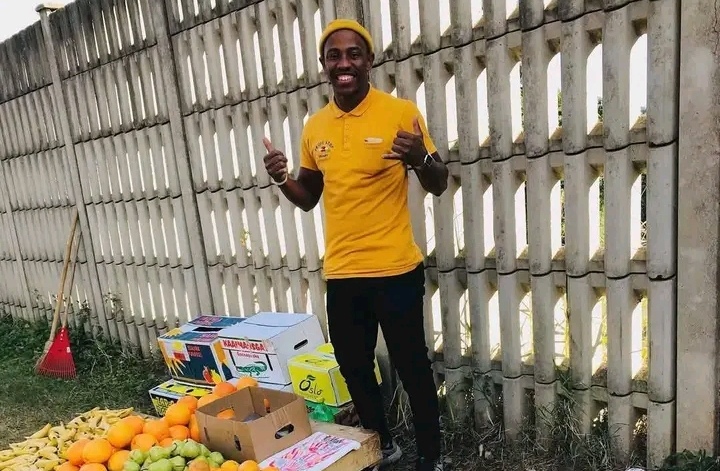
The Rise of a R1000 Vision: What Entrepreneurs Can Learn from Cphesihle Tshibi’s Fresh Produce Journey. Cphesihle Tshibi’s story is one of those rare entrepreneurial journeys that begin quietly but grow into something powerful. Based in Durban, he made a bold decision many dream of but few pursue. He left the comfort of a permanent job to start a small fruit and vegetable business with only R1000 in hand. Twelve months later, that decision had transformed into a milestone he could touch and walk into: a fully owned container that now serves as his fresh produce market.
His journey offers practical guidance for South African entrepreneurs building their ventures from limited resources, and it demonstrates how consistency can turn a modest start into a measurable achievement.
The Courage to Start with What You Have
When Cphesihle left his job, he was stepping into uncertainty with nothing more than determination, R1000 and a vision. His choice to begin with what he had instead of waiting for ideal conditions became the foundation of his brand.
Many aspiring entrepreneurs hold back because they believe they need large amounts of capital. Cphesihle’s journey proves that starting is often the most critical step. Once you begin, momentum builds opportunities that were previously out of reach.
Finding Strength in a Simple Product
Fruit and vegetables may seem like a basic business, but Cphesihle turned this simplicity into an advantage. Fresh produce is a daily need. There is constant demand. People buy it regularly and they buy it close to home.
By entering a market with consistent foot traffic and predictable demand, he created a stable environment for growth. This teaches entrepreneurs an important lesson: you do not always need a complex product to succeed. You need a product that solves a daily problem.
Showing Up Every Day
Success in the fresh produce business is built on routine, reliability and long hours. Cphesihle’s early days required constant presence. He had to source, clean, prepare, display and sell produce often before many people were awake.
His visible consistency built trust within the community. Customers returned because they knew he would be there, ready with fresh stock.
This is a reminder that showing up can be a marketing strategy of its own. Discipline, even when resources are limited, is a powerful way to earn loyalty.
Turning Small Profits into Big Steps
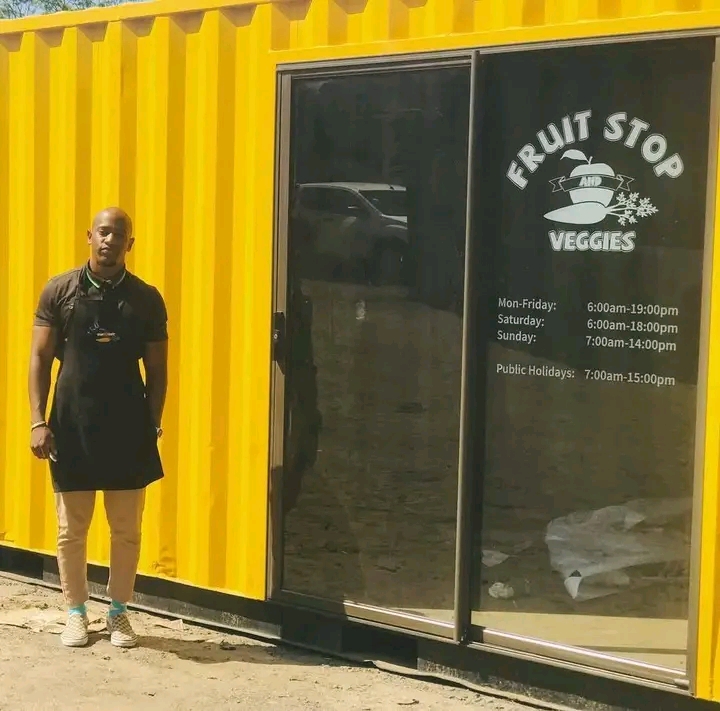
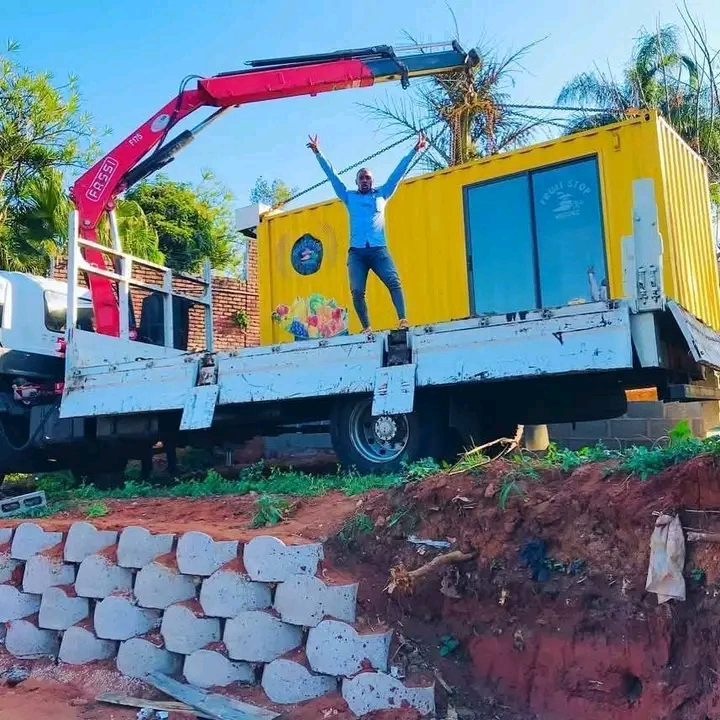
Instead of spending early profits, Cphesihle reinvested them. Every rand returned to the business pushed it toward growth. Over twelve months, those disciplined reinvestments led to his largest milestone: purchasing a container that became his official fresh produce market.
This turning point was not the result of a windfall but of disciplined financial behaviour. For entrepreneurs, the message is clear. Growth often comes from reinvesting small wins instead of rushing to upgrade your lifestyle.
Building a Business that Feels Local
Cphesihle’s fresh produce stand became more than a source of groceries. It became part of the community. His interaction with customers, consistency in service and commitment to fair pricing positioned him not just as a vendor but as a neighbour.
Local trust became his strongest marketing tool. Word of mouth brought more customers than traditional advertising could. Entrepreneurs can learn from this. People support businesses that feel connected to them.

A Container That Symbolises Possibility
Buying a container may sound like a simple step, but in the world of small business it represents stability. It brings structure, ownership and long term potential.
For Cphesihle, it marked the moment his idea became a business with a physical presence. It shows other entrepreneurs that growth is not always explosive. Sometimes it arrives piece by piece until one day you step back and realise you have built something substantial.
Lessons Entrepreneurs Can Apply Today
Cphesihle Tshibi’s journey offers clear, actionable insights:
- Start with what you have, not what you lack
- Choose a product or service with consistent demand
- Show up every day, even when motivation is low
- Reinvest profits instead of spending them early
- Build community trust through service, not slogans
- Celebrate progress that comes in small, steady steps
His journey is a reminder that entrepreneurship is less about the size of your starting capital and more about the size of your commitment. With R1000 and discipline, he built a business that continues to grow. And for many South African entrepreneurs, that is the kind of inspiration that feels within reach.