Rooibos Seeds Set for International Space Station Mission in South African STEM Project
Rooibos Seeds Set for International Space Station Mission in South African STEM Project. South African Rooibos seeds are scheduled to travel to the International Space Station (ISS) in October as part of a new research initiative that will investigate how microgravity and radiation affect plant growth and resilience while promoting science, technology, engineering and mathematics (STEM) education.
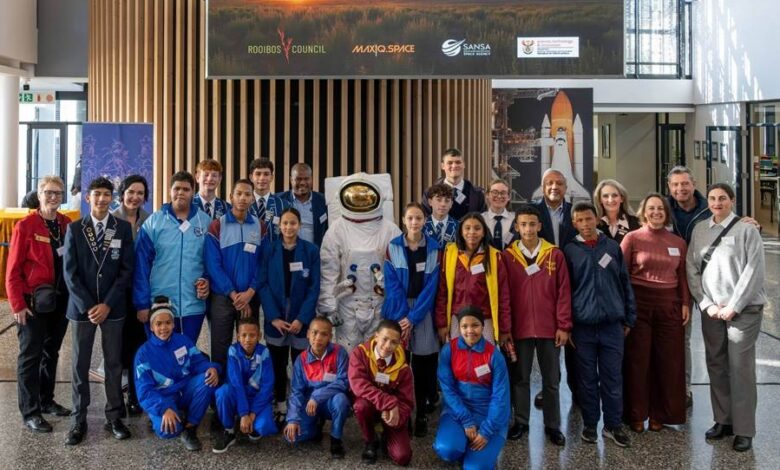
The Rooibos in Space programme was developed by the South African Rooibos Council (SARC) in collaboration with MaxIQ Space and the South African National Space Agency (Sansa). The initiative combines agricultural research with space science to explore the potential of crops in future sustainable food systems.
The programme was officially launched at Parklands College’s Innovation Centre in Cape Town, bringing together representatives from government, academia, agriculture, education and the space sector.
The project will see indigenous Rooibos seeds sent into orbit for several weeks before being returned to Earth for comparative trials. Researchers and learners will monitor the seeds for germination, growth rates, yield and overall resilience, comparing them with seeds that remained on Earth.
Learners from seven schools in the Cederberg region, where Rooibos naturally grows, will lead the primary research in partnership with local farms. Parklands College will conduct a parallel experiment to generate additional comparative data.
SARC director Dawie de Villiers said the initiative links South Africa’s agricultural heritage with scientific research while encouraging greater interest in science and innovation among young people.
Participating schools will also take part in a STEM education programme covering space science, plant biology and sustainable agriculture. Learners will analyse data generated through the experiment and will have an opportunity to design the official Rooibos in Space mission patch during July and August.
Judi Sandrock of MaxIQ Space said the project gives learners practical exposure to scientific research methods, helping them develop skills in experimentation and data analysis.
Sansa science engagement manager Thandile Vuntu said integrating space science with sectors such as agriculture supports skills development and innovation while strengthening collaboration between government, industry, academia and the science community.
The initiative forms part of broader international efforts to study plant growth in space as researchers explore sustainable food production for future long-duration space missions.