
Ancient Spirit: The Story of a Lifestyle Brand Built on Ethical Choices
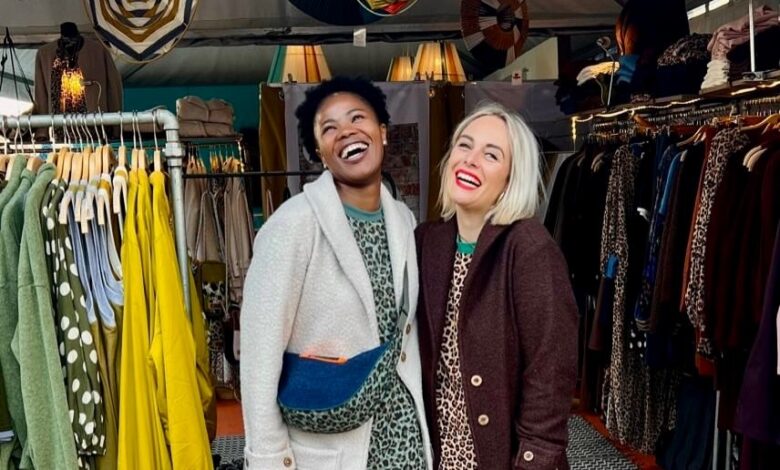
Ancient Spirit: The Story of a Lifestyle Brand Built on Ethical Choices. Ancient Spirit was not created simply to put another clothing label into the market. For founder and designer Lizel Olckers, the brand represents a way of experiencing life, shaped by ideas of equality, kindness and the connectedness of everything. That philosophy reaches across everything Ancient Spirit offers, from clothing and accessories to jewellery, shoes and homeware. It also influences how products are sourced, made and priced.
The brand sources ethically, makes locally and aims to price fairly. Where possible, it uses environmentally kind raw materials and commits to giving back. Rather than treating these principles as separate from the business, they form part of the foundation on which Ancient Spirit operates.
The journey provides useful lessons for entrepreneurs about turning personal values into a business proposition, building a flexible product range and creating a distinctive identity without abandoning commercial considerations.
Turn a Personal Philosophy Into a Brand Foundation
The first lesson behind Ancient Spirit is that its identity starts with a belief system.
Olckers describes Ancient Spirit as being rooted in spiritual beliefs around equality, kindness and connectedness. The aim is to create, buy and sell products that radiate those attributes.
That gives the business a clear filter through which products can be considered.
For entrepreneurs, this is a powerful starting point. A brand’s values become more meaningful when they influence actual business decisions rather than appearing only in marketing material.
Ancient Spirit’s philosophy can be seen in its approach to ethical sourcing, local manufacturing, fair pricing and environmentally conscious materials where possible.
The practical lesson is to identify the principles that genuinely matter to your business and then ask how those principles can influence sourcing, production, pricing and customer experience.
Make Local Production Part of the Proposition
Ancient Spirit’s commitment to making locally provides another important lesson.
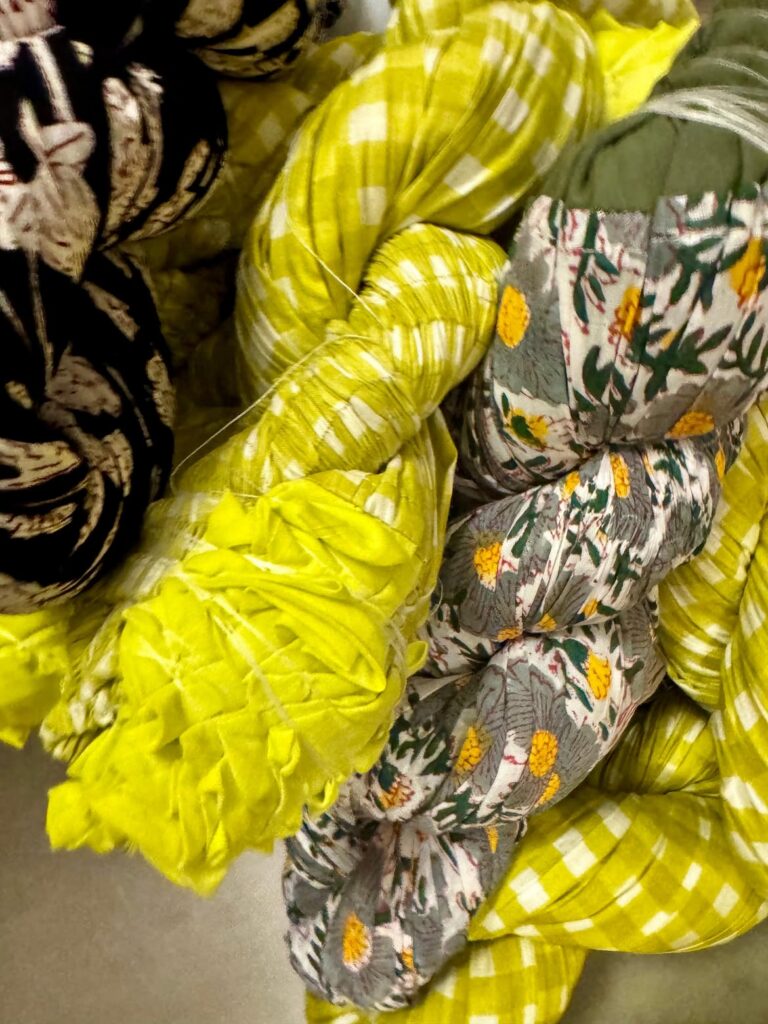
The brand sources ethically and makes locally, creating a connection between its values and its production approach.
For entrepreneurs, local manufacturing can be more than a sourcing decision. When it genuinely reflects the way a company operates, it can become part of the brand’s identity.
However, the lesson is not simply that every business should manufacture locally. The more useful takeaway is to make operational choices that support the brand promise.
If a company talks about responsibility, customers should be able to see that principle reflected in real decisions.
Design Around Women’s Real Lives
Clothing sits at the centre of Ancient Spirit’s offering, and Olckers places particular emphasis on women.
The brand says its clothing celebrates women through comfortable fits, appropriate sizing and designs relevant to women’s lives in the times they live in.
That is a practical approach to product development.
Instead of treating fashion purely as an exercise in appearance, the brand considers how clothing needs to function for the people wearing it.
For entrepreneurs, the lesson is to understand the customer’s life rather than simply the customer’s demographic profile.
Ask what people need from the product in everyday situations. Comfort, fit, relevance and usability can become important elements of a value proposition when they are genuinely addressed.
Keep the Range Moving
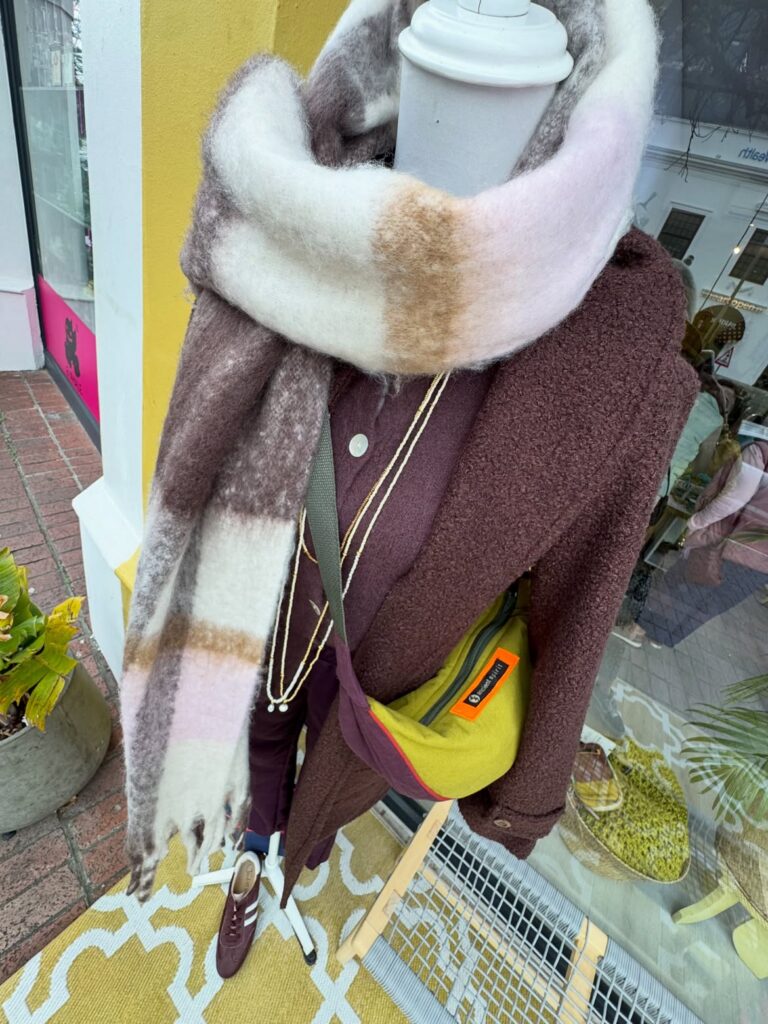
Ancient Spirit’s product range is constantly changing.
Olckers says her environment, travels and sensory influences continually shape what she creates and selects. She adds found products, designs new styles and supports the creativity of others.
This gives the brand flexibility.
Instead of relying on one fixed product range, Ancient Spirit allows its collection to evolve alongside the founder’s experiences and sources of inspiration.
For entrepreneurs, this demonstrates the value of controlled experimentation.
A business can maintain a recognisable identity while continuing to introduce new products, provided those additions remain connected to its underlying philosophy.
The key is not constant change for its own sake. It is allowing new ideas to enter without losing the qualities that make the brand recognisable.
Slow Fashion Becomes a Production Choice
Ancient Spirit strives to create slow ranges.
The brand encourages its makers to take a little longer and make products more beautifully, while placing value on good quality and timelessness.
This approach gives production time a role in the brand’s philosophy.
For entrepreneurs, there is an important lesson here about resisting the assumption that faster is always better.
In a market where speed and constant product turnover can dominate, a business can instead compete through care, quality and longevity.
The challenge is ensuring that the philosophy is supported by actual production practices. In Ancient Spirit’s case, the emphasis on taking longer to make products is directly connected to its stated pursuit of beauty, quality and timelessness.
Balance Minimalism With Handmade Character
Ancient Spirit’s aesthetic contains an interesting tension.
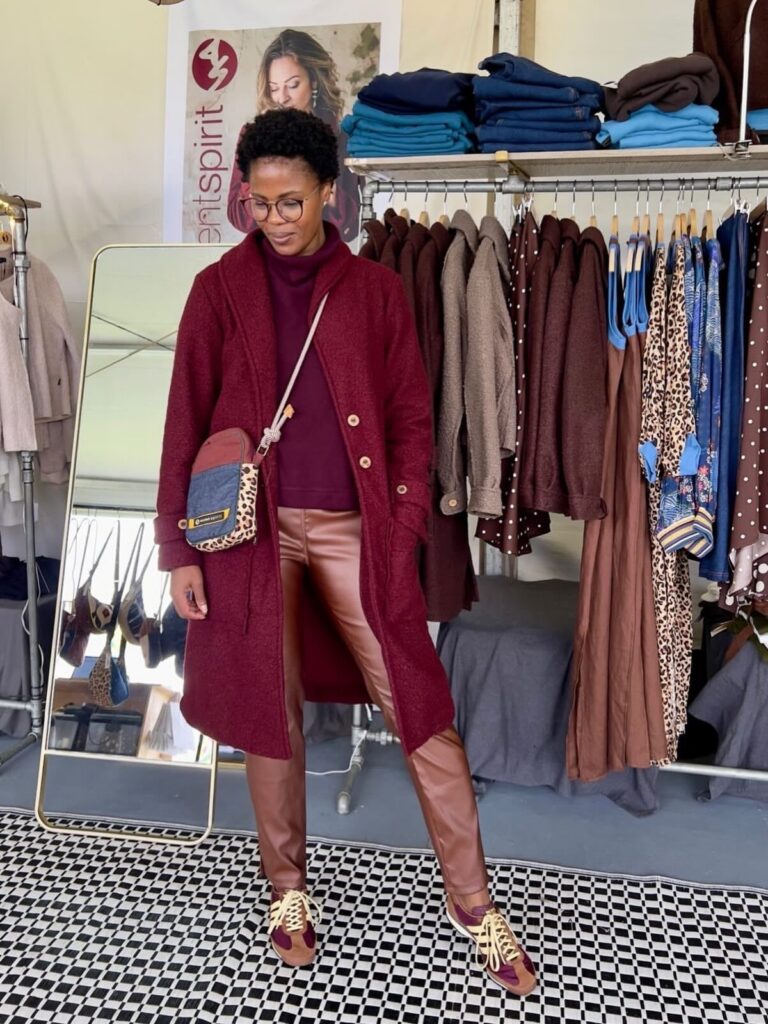
Olckers celebrates clean, minimal and modern lines associated with clarity and simplicity. At the same time, she identifies strongly with handmade, imperfect and embellished cloth, jewellery and stories.
Those influences could easily appear contradictory. Instead, they form part of the brand’s distinctive creative language.
This provides a valuable lesson for creative entrepreneurs.
A brand does not necessarily need to choose one influence and reject another. Contrasting ideas can become a source of differentiation when they are brought together with consistency.
For Ancient Spirit, modern simplicity exists alongside handmade imperfection and embellishment.
Let Travel Influence the Product
Travel is another defining influence in Olckers’ story.
She describes herself as having wanderlust and says the pull of the East is a constant influence in her life, spirituality and design. She was born in South Africa, but her creative perspective has been shaped by experiences beyond one geographic setting.
That gives the brand a broad pool of inspiration.
For entrepreneurs, this demonstrates the importance of looking beyond competitors for ideas.
Travel, culture, environments and sensory experiences can influence creative businesses in ways that market research alone cannot replicate.
The important lesson is to transform those influences into an individual perspective rather than simply reproducing what has been encountered elsewhere.
Support Other Creativity
Ancient Spirit’s evolving range includes found products and designs created by Olckers, while she also says she supports other people’s creativity.
That creates another dimension to the business.
The brand does not position creativity as something that only comes from its founder. It can also be discovered and incorporated through other makers and products.
For entrepreneurs, this demonstrates the value of collaboration and curation.
A founder does not have to create everything personally to build a strong creative identity. What matters is having a clear standard for what belongs within the brand.
The Bigger Lesson Behind Ancient Spirit
Ancient Spirit’s story begins with Lizel Olckers and a belief that products can express values such as equality, kindness and connectedness.
Those beliefs extend into ethical sourcing, local production, fair pricing, environmentally kind raw materials where possible and a commitment to giving back.
The brand’s clothing focuses on women, while its wider lifestyle offering includes accessories, jewellery, shoes and homeware. Its range continues to evolve through new designs, found products, travel influences and support for other creativity.
For aspiring entrepreneurs, the lessons are practical. Build from beliefs that are genuinely yours. Make those beliefs visible through business decisions. Understand the real lives of your customers. Allow your product range to evolve without losing its identity. Treat quality and longevity as strategic choices. And use your experiences, surroundings and relationships as sources of creative advantage.




