
From Liquid Clay to Creative Experience: The Business Lessons Behind Ceramic Café
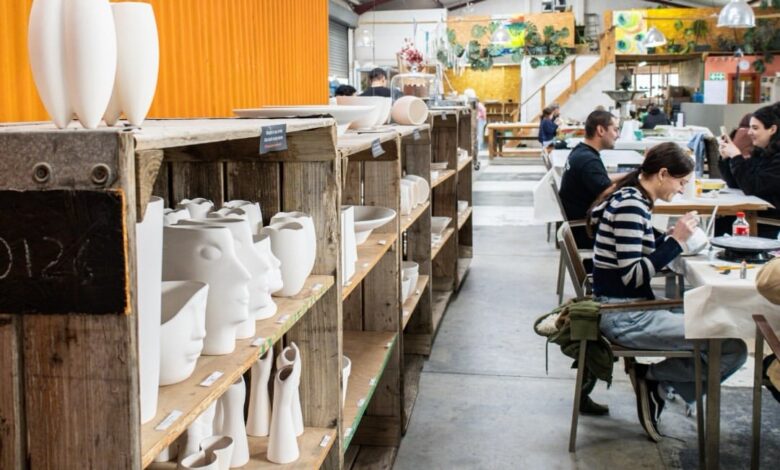
From Liquid Clay to Creative Experience: The Business Lessons Behind Ceramic Café. A ceramic product may look simple once it is finished, but getting it there involves a carefully controlled process. At Ceramic Café, that process begins with liquid clay and ends with pieces that have been fired, prepared and glazed on site or at the brand’s factory.
That production process reveals one of the most important lessons behind the Ceramic Café brand: a memorable customer experience is supported by a strong operational foundation. While the café and painting shed create the visible experience, much of the work happens behind the scenes through a detailed ceramics manufacturing process.
Situated on a tranquil property next to Cape Garden Centre on the R44 between Stellenbosch and Somerset West, Ceramic Café combines its factory, painting shed and café in one destination. For entrepreneurs, the brand offers useful lessons in turning a specialised product into an experience, controlling quality and creating a business environment where different parts of the operation support one another.
Turning Production Into Part of the Brand
Ceramic Café’s production process starts with slip casting, where liquid clay is used to create ceramic items. Once cast, the pieces require fettling to smooth their edges. This greenware is then fired to produce bisque, creating a harder surface that can be worked with and decorated.
The bisque, fettling and glazing processes are completed on site or in the factory.
For entrepreneurs, there is an important lesson here. A business does not only create value through what customers eventually see. The systems behind the product matter too. Understanding production from beginning to end can help a business maintain consistency while giving it greater control over how its products are prepared.
Building an Experience Around a Product
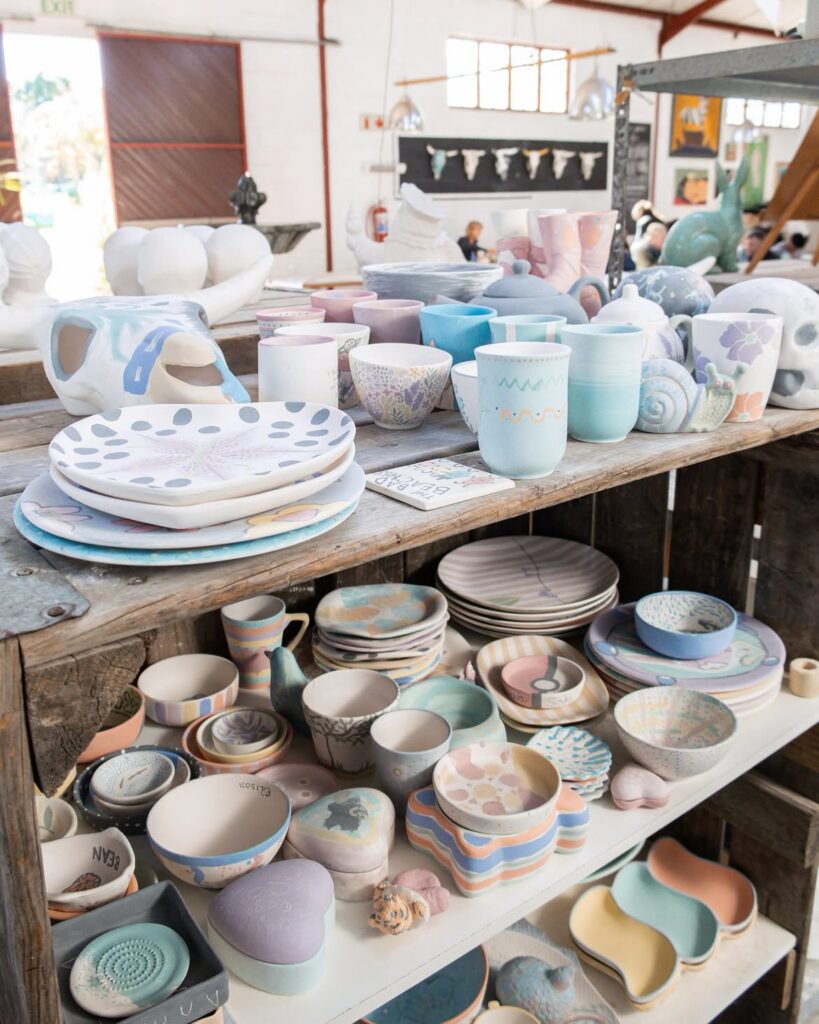
Ceramic Café is not positioned simply around the production of ceramic items. Its location brings together a painting shed and café alongside the factory.
That combination creates an environment where ceramics are connected with an experience. The physical setting is therefore part of the offering.
This is a useful strategy for entrepreneurs operating in competitive markets. Instead of looking only at the product itself, businesses can consider what happens before, during and after a customer interacts with it.
A product can become more distinctive when the surrounding experience is deliberately designed.
Location Can Strengthen a Business Concept
The Ceramic Café property is situated next to Cape Garden Centre on the R44 between Stellenbosch and Somerset West. Visitors are directed to the destination through boards from Winery Road.
The location forms an important part of the brand’s identity because the factory, painting shed and café are brought together within the same setting.
For a growing business, location should not simply be treated as an address. Entrepreneurs should consider whether the physical environment supports the experience they want to create and whether customers can understand where to go and what to expect.
Clear directions can also be a practical part of customer communication.

Operational Knowledge Is a Competitive Strength
The detailed ceramic process demonstrates another lesson: specialised knowledge can become an important business strength.
Slip casting, fettling, firing, bisque preparation and glazing are distinct stages, and each contributes to the finished ceramic piece. Ceramic Café keeps several of these activities within its own operation, either on site or in its factory.
For entrepreneurs, this highlights the value of understanding the core processes behind their products or services. Even when parts of a business are outsourced, knowing how the work is done makes it easier to identify quality requirements and maintain standards.
Connecting Different Parts of the Business
One of the most interesting aspects of Ceramic Café is the way its different spaces complement each other. The factory represents production, the painting shed connects with creativity, while the café adds another dimension to the destination.
Rather than treating these as completely separate ideas, they can work together around ceramics and the experience surrounding them.
This offers a practical lesson for entrepreneurs: different revenue-generating or customer-facing activities do not necessarily have to compete with each other. When they share a clear connection, each part can reinforce the broader business concept.
Making Creativity Tangible
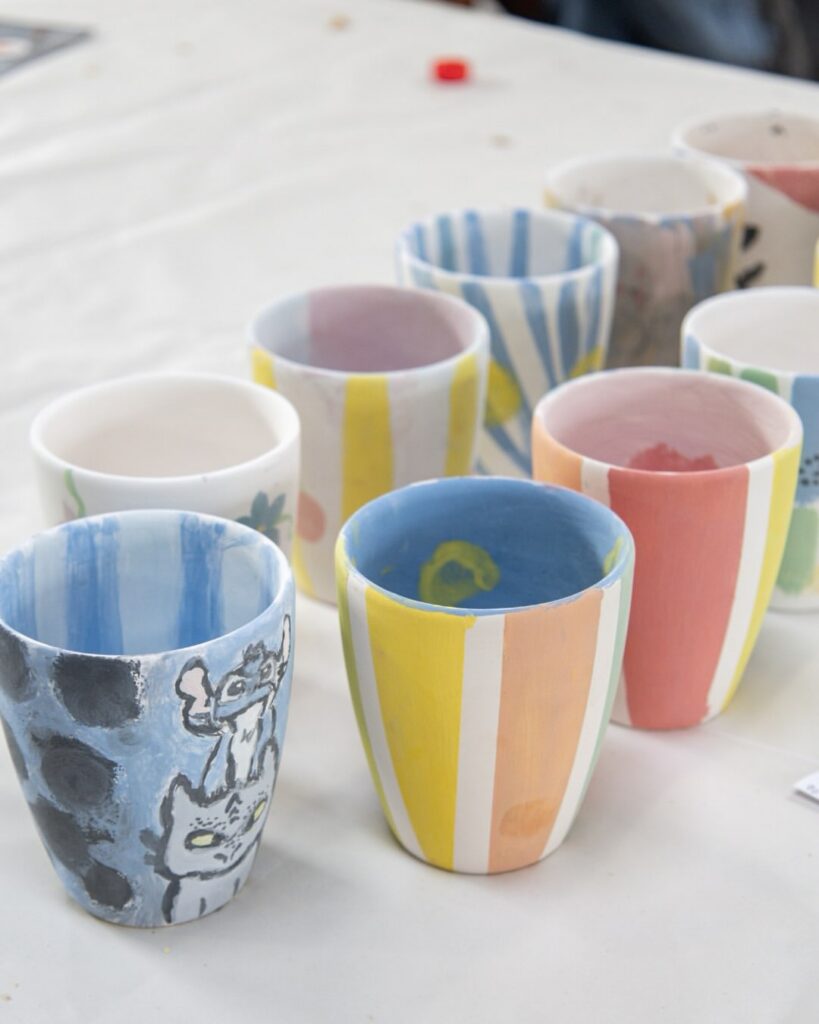
Ceramics are inherently hands-on. Clay moves through several physical stages before becoming a finished piece, while the painting element introduces another opportunity for creative involvement.
Ceramic Café’s model demonstrates the value of making creativity tangible. Instead of presenting creativity only as something to look at, the environment allows ceramics and their preparation to form part of the experience.
Entrepreneurs can apply the same thinking in other industries by asking whether customers can participate in, understand or experience the process behind a product.
The Bigger Lesson Behind Ceramic Café
The Ceramic Café story, based on the details of its production and location, offers a straightforward lesson in building a distinctive business concept.
The strength is not only in the ceramic pieces themselves. It is also in the process behind them, the specialised production knowledge, the physical destination and the combination of factory, painting shed and café.
For aspiring entrepreneurs, that provides a useful reminder that differentiation does not always require inventing something completely new. Sometimes it comes from bringing existing capabilities together in a carefully considered way.
Ceramic Café shows the value of understanding production, creating an experience around a product and making the physical environment part of the customer journey. Those principles can help entrepreneurs think beyond what they sell and focus on how the entire business experience fits together.




