
The Mulberry Pulse Story: Building a Jewellery Brand Around Nature
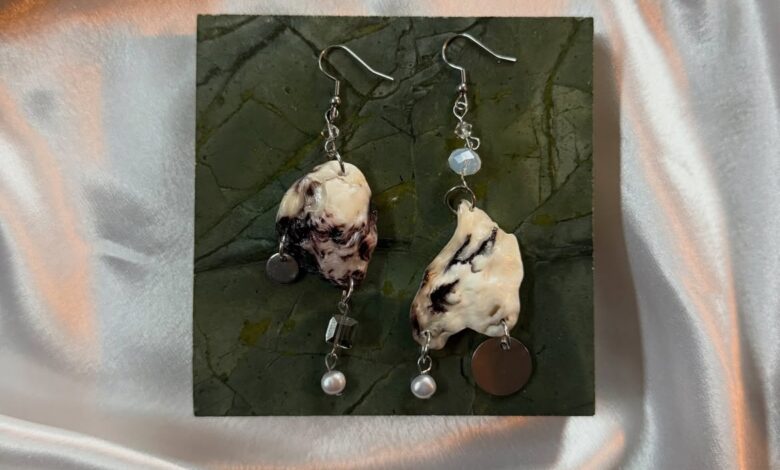
The Mulberry Pulse Story: Building a Jewellery Brand Around Nature. A shell collected from nature can easily remain just a shell. Mulberry Pulse takes a different approach, turning real shells into handmade jewellery where the natural character of every piece remains part of the finished design. Founded in Cape Town in 2019, Mulberry Pulse grew from a passion for sustainable fashion into a jewellery brand centred on natural beauty, craftsmanship and a slower approach to accessories.
Its process is deliberately hands-on. Each shell is individually selected, cleaned, drilled, treated, polished and strengthened before being assembled into jewellery. Because every shell has its own shape, colour and texture, no two pieces are exactly alike.
That production philosophy provides more than an interesting product story. It offers practical lessons for entrepreneurs about finding differentiation in natural materials, turning craftsmanship into part of the customer proposition and building a brand around qualities that cannot easily be replicated by mass production.
Start With a Material That Already Has a Story
Mulberry Pulse’s identity begins with its material.
The brand works with genuine shells and celebrates the variations found in each one. Rather than attempting to make every piece identical, the differences between shells become part of the appeal.
That creates a clear point of differentiation.
For entrepreneurs, the lesson is to look closely at the materials or resources already connected to a product. What might initially appear to be an ordinary material can become distinctive when it is presented with intention.
Mulberry Pulse does not need to manufacture uniformity into its shell jewellery. The natural differences provide individuality from the beginning.
This approach can also help a brand develop a stronger story because the product itself demonstrates the idea behind the business
Make Craftsmanship Visible
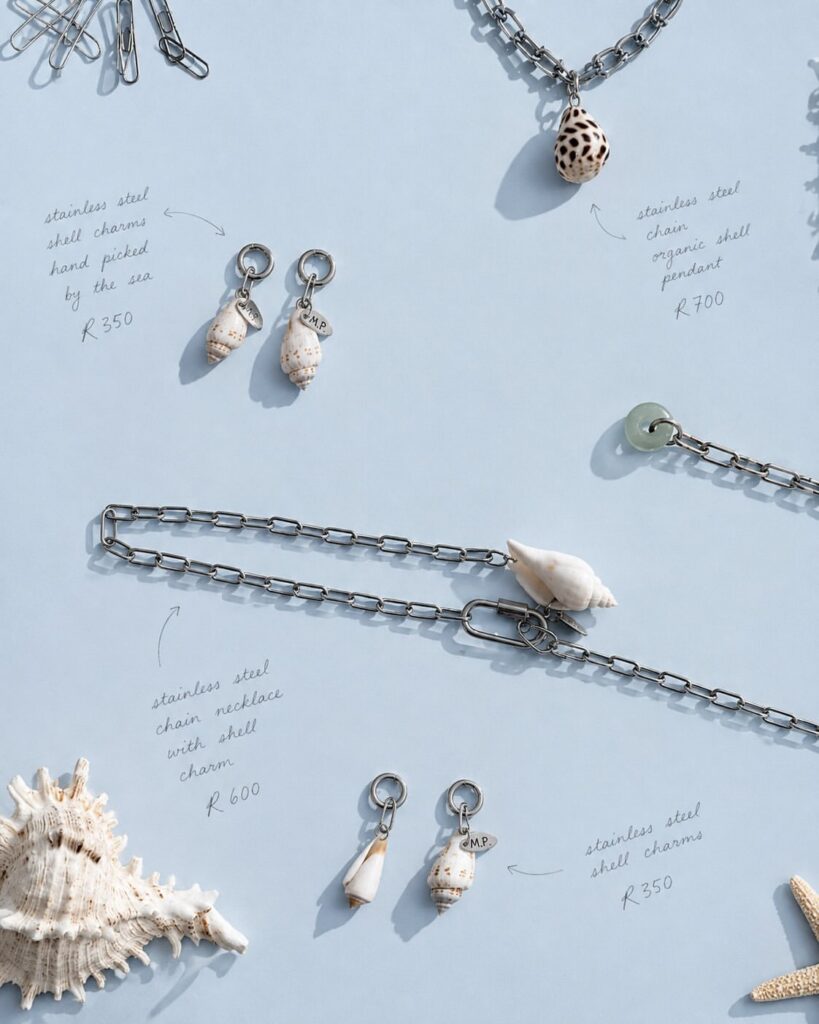
The production process is central to Mulberry Pulse.
Each shell passes through multiple stages by hand, from selection and preparation to treatment, polishing, strengthening and final assembly.
That level of detail gives craftsmanship a visible role in the product.
For a small jewellery business, this is an important strength. Rather than competing purely on volume, the brand can communicate the care involved in creating individual pieces.
Entrepreneurs can apply the same principle by identifying the stages of their own production process that create genuine value.
If a product is handmade, customised or carefully inspected, that process can become part of the customer story. The key is to communicate what actually happens rather than relying on vague claims about quality.
Turn Imperfection Into Individuality
One of Mulberry Pulse’s most distinctive characteristics is that its products are not exactly identical.
Natural shells come with their own shapes, colours and textures. The brand embraces these differences, describing each creation as a one-of-a-kind reflection of the ocean’s natural artistry.
That turns variation into a feature.
This offers a useful lesson for entrepreneurs who operate in industries where uniformity is often treated as the default measure of quality.
Not every difference is a defect.
When variation comes from the natural material or handmade production process, it can create a sense of individuality that customers value.
For Mulberry Pulse, the result is jewellery where the material itself contributes to the identity of each piece.
Sustainability Needs a Practical Approach
Sustainable fashion is part of Mulberry Pulse’s origins.
The brand describes its approach as slower and more mindful, combining naturally sourced shells with small-batch handmade jewellery.
This is important because sustainability is not positioned as an isolated marketing message. It is connected to how the brand produces its collections.
For entrepreneurs, the lesson is to make responsible business practices specific.
Instead of simply describing a company as sustainable, identify the actual decisions behind that positioning. In Mulberry Pulse’s case, the stated approach includes natural shells and small-batch handmade production.
Clear details give customers a better understanding of what a brand actually means when it talks about a more considered approach.
Choose Components That Support the Product
The shells may be the visual centre of Mulberry Pulse’s jewellery, but the other components also play an important role.
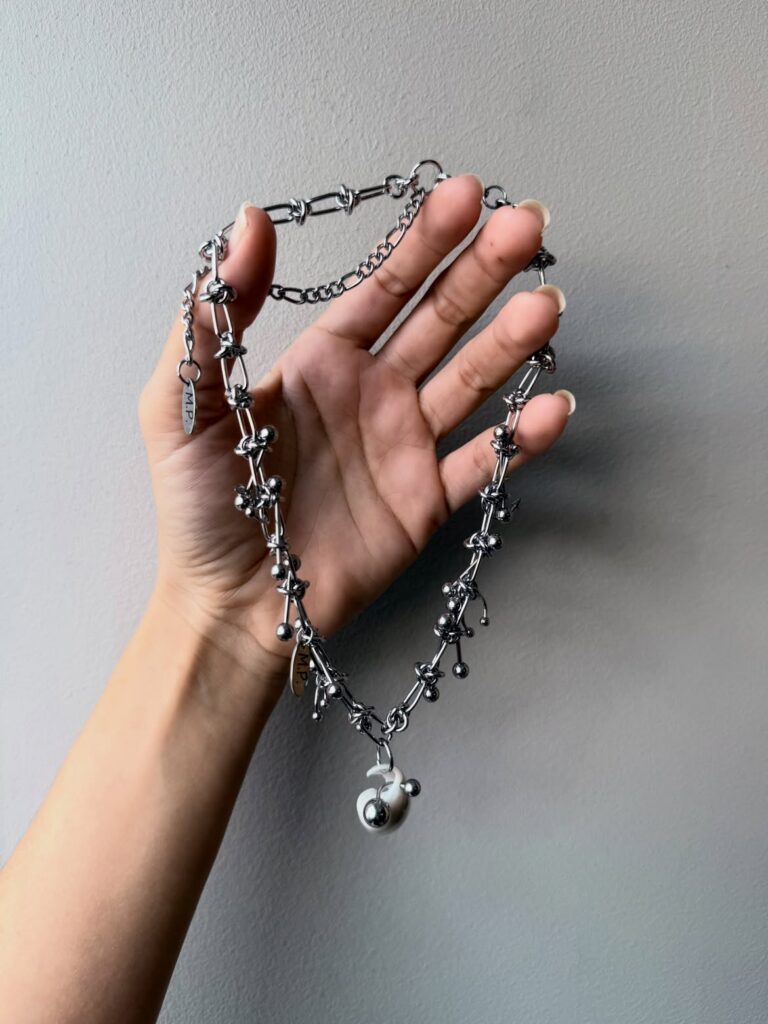
The brand currently uses high-quality stainless steel findings and components. It describes stainless steel as tarnish-resistant, durable and hypoallergenic, making it suitable for everyday wear and sensitive skin.
This demonstrates another product development lesson.
A distinctive main material is only part of the customer experience. Supporting components need to be selected with the intended use of the finished product in mind.
For entrepreneurs, this means considering durability, practicality and customer needs throughout the product development process rather than focusing only on appearance.
Create Different Reasons to Wear the Product
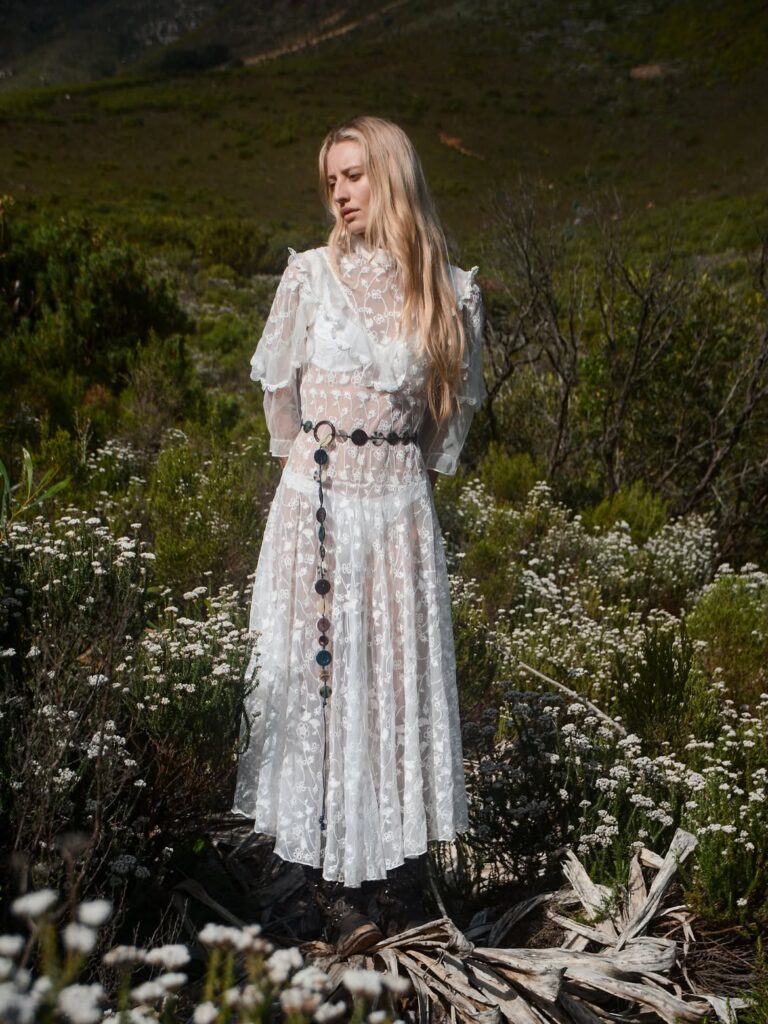
Mulberry Pulse positions its collections around different levels of expression.
The jewellery can be subtle enough for everyday wear or serve as a statement accessory inspired by the sea.
That gives the brand an opportunity to speak to different customer preferences without abandoning its central identity.
For entrepreneurs, the lesson is that a focused brand does not necessarily require every product to look or function exactly the same way.
The important factor is having a consistent thread connecting the range.
For Mulberry Pulse, that thread is the combination of genuine shells, coastal inspiration, handmade production and natural variation.
Let Place Strengthen the Brand
Cape Town is part of the Mulberry Pulse story.
The brand was founded there in 2019, and its jewellery draws directly from the natural character of shells and the ocean.
This creates an opportunity for a strong sense of place without needing to manufacture a complicated brand narrative.
For entrepreneurs, location can become an important source of identity when it genuinely connects to the product.
The lesson is not simply to put a city name into marketing materials. It is to consider whether the environment where a business operates influences its materials, inspiration, customers or creative direction.
When that connection exists naturally, it can make a brand feel more authentic.
Small Batch Production Creates Focus
Mulberry Pulse embraces small-batch handmade jewellery rather than mass production.
That approach supports the brand’s emphasis on individuality and mindful fashion. It also fits naturally with a production process in which every shell requires individual attention.
For entrepreneurs, this demonstrates the importance of matching production methods to the promise being made to customers.
A business should not pursue scale simply because scale is traditionally associated with success. If small-batch production supports the quality, individuality and identity of the product, it can be a deliberate strategic choice.
The Bigger Lesson Behind Mulberry Pulse
Mulberry Pulse’s journey began in Cape Town in 2019 with a passion for sustainable fashion and developed into a handmade jewellery brand built around natural materials and craftsmanship.
Its strength lies in alignment.
The use of genuine shells supports the brand’s natural aesthetic. Hand preparation supports its emphasis on craftsmanship. Small-batch production supports its slower approach to fashion. Stainless steel components support durability and everyday wear. Coastal inspiration connects the product to its visual identity.
For aspiring entrepreneurs, the lessons are practical. Start with a material or idea that gives you a genuine point of difference. Make the production process part of the story where appropriate. Turn natural variation into individuality instead of treating it automatically as a problem. Connect sustainability claims to real business practices. Finally, make sure every important product decision supports the promise your brand makes.




