The Process: How a Skincare Brand Is Turning Sustainability Into a Beauty Strategy
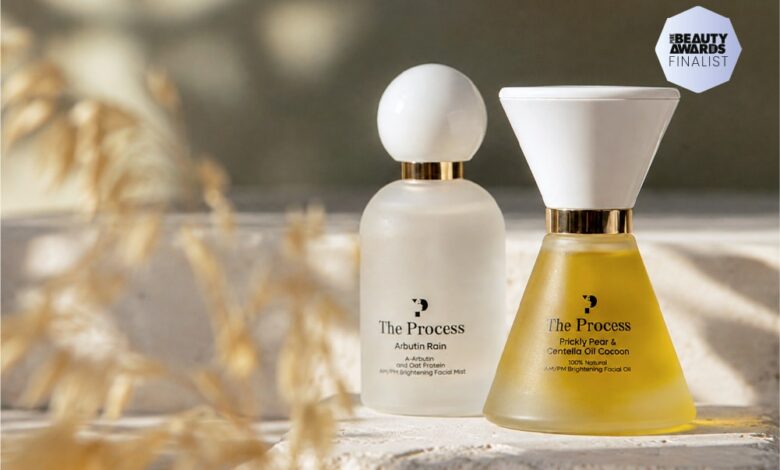
The Process: How a Skincare Brand Is Turning Sustainability Into a Beauty Strategy. The skincare industry is filled with promises of transformation, but The Process takes a different route. Rather than presenting sustainability and effectiveness as competing priorities, the new skincare brand has built its philosophy around bringing the two together.
Founded by Isabelle Ratefiarison, The Process describes itself as a new skincare philosophy centred on sustainability as abundance and effectiveness. Its first signature line focuses on gently fading the look of dark marks and uneven skin tone while leaving the skin smooth and plump without overwhelming it.
Behind that proposition is a broader idea about how skincare should work. For The Process, achieving better skin is not simply about applying more products. It is about integrating products, habits, care for nature and self-care into one solution.
That philosophy provides several lessons for entrepreneurs about identifying a problem, developing a focused proposition and building a brand around values that influence the entire customer experience.
Building a Brand From a Personal Problem
The Process began with experiences that shaped Ratefiarison’s understanding of skincare.
She describes feeling the sting of eczema and repeatedly watching products fail to fade acne and hyperpigmentation. Those experiences led her to two conclusions: skincare products do not work alone, and caring for nature can also support the wellbeing of people and their skin.
This personal connection gives the brand a clear starting point. The Process was not presented simply as another collection of skincare products. It emerged from a problem the founder had experienced herself and developed into a philosophy about how that problem should be approached.
For aspiring entrepreneurs, this is an important lesson. A strong business idea can begin with a frustration that needs solving. The opportunity lies in going beyond identifying the problem and developing a clear perspective on what a better solution should look like
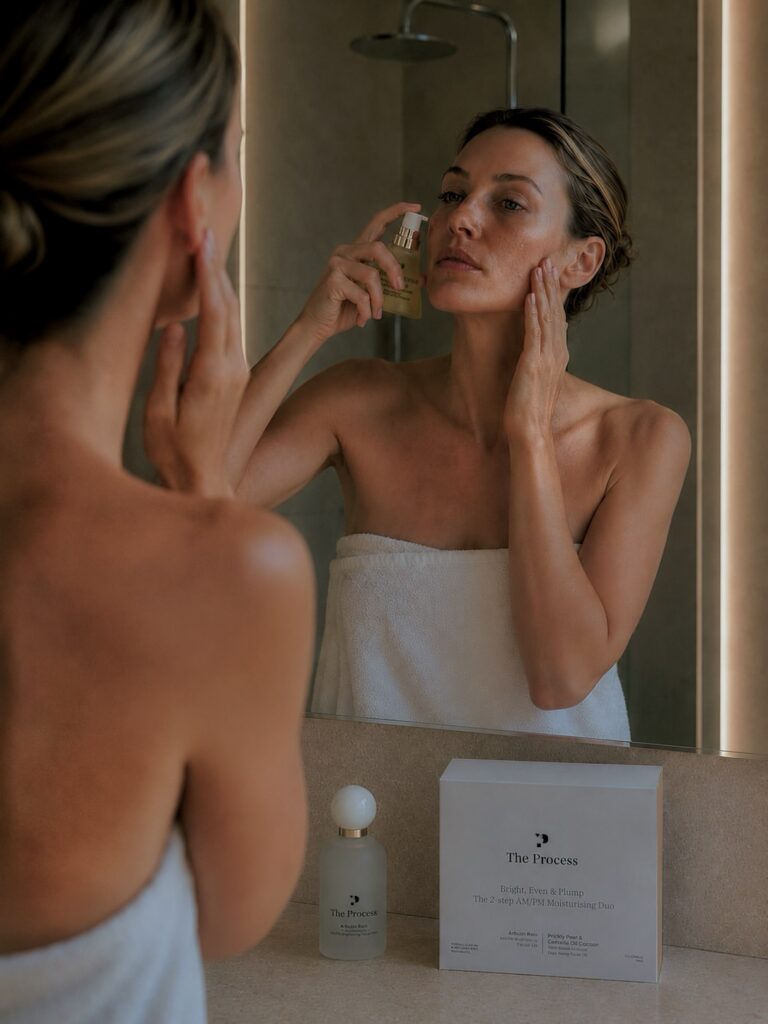
Making Sustainability Part of the Product Philosophy
Sustainability is central to The Process rather than being treated as an additional message attached to the brand.
The company’s philosophy is based on using just the right amount, no more and no less, while getting more out of a product instead of relying on excess and waste.
This creates a distinctive way of communicating sustainability. Instead of framing abundance as having more products, The Process connects abundance with making effective use of what is already there.
That approach offers a practical business lesson. Sustainability becomes more credible when it is connected directly to how a product is used and what the brand believes customers actually need.
Entrepreneurs can apply the same principle by asking where their values genuinely influence their product, packaging, customer experience or operations rather than simply placing those values in marketing messages.
Combining Science With Kindness
The Process positions its skincare around what it calls a balance of kindness and science.
Its formulas are designed with efficacy in mind and use nature’s time-tested and scientifically backed ingredients to support the skin’s natural renewal rather than force it.
This positioning gives the brand another clear point of difference. The focus is not effectiveness at any cost. It is effectiveness combined with comfort and a gentler approach.
For a new brand, having a focused philosophy can help turn individual product features into a coherent identity. The Process connects its approach to dark marks, blemishes and uneven skin tone with a broader promise of supporting the skin rather than overwhelming it.
The lesson for entrepreneurs is to think beyond individual features. Customers may remember a brand more easily when its products consistently reflect one recognisable point of view.
Turning Self-Care Into Connection
The Process also extends its philosophy beyond skincare itself.
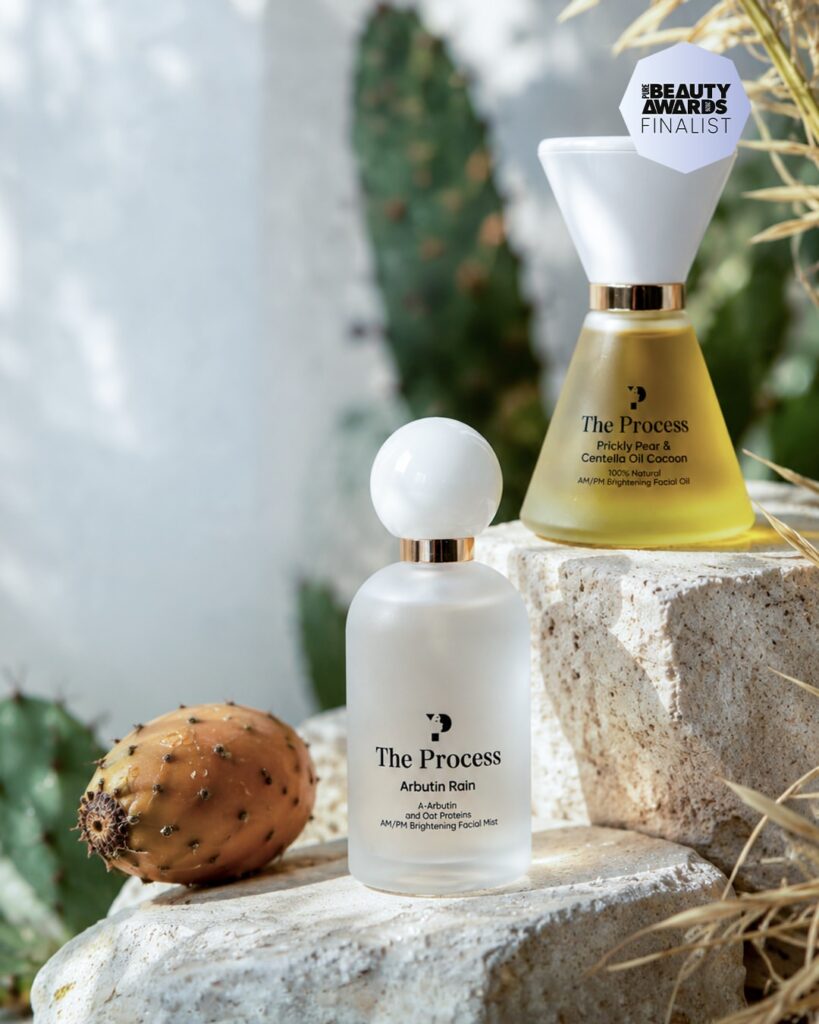
The brand’s kit is designed to be gift-ready, creating opportunities for self-care to become an expression of connection. The company describes moments such as a mother easing her daughter’s worries, a partner communicating care, or an individual choosing a treat as an act of self-love.
This introduces an emotional dimension to the product without abandoning its skincare purpose.
The opportunity for entrepreneurs is to consider the different meanings a product can have in a customer’s life. A skincare kit can be about skin, but it can also become part of a gesture, ritual or moment of care.
The Process uses this idea to connect personal wellbeing with relationships and generosity, reinforcing its belief that self-care is not selfish.
Creating a Clear Promise Around a Bigger Mission
The Process brings its philosophy together through a simple promise: brighter skin, brighter lives and a brighter world, one gift at a time.
That promise connects the brand’s different priorities. Skin concerns are addressed through its skincare offering, personal wellbeing through its self-care philosophy, and environmental responsibility through its sustainability focus.
For entrepreneurs, the lesson is the importance of alignment. A brand becomes stronger when its product, values and communication tell the same story.
The Process is still a new skincare philosophy, but the foundation it has established is clear. Its story begins with personal skincare challenges, develops into a philosophy built around sustainability and effectiveness, and extends into a vision of skincare as an act of care for oneself, loved ones and the earth.
Its most useful lesson for aspiring founders may be that building a brand does not always begin with trying to offer everything. It can begin with one clearly understood problem, a strong belief about how that problem should be solved and the discipline to make that belief visible throughout the customer experience.