
The Slick Story: How a Cape Town Fashion Brand Built Its Business

The Slick Story: How a Cape Town Fashion Brand Built Its Business. In 2001, a fashion business was born in Cape Town from a love of beautiful clothing and an appreciation for style that could stand the test of time. That business was Slick. More than two decades later, the brand’s story is one of careful refinement rather than constant reinvention. What began as a labour of love has developed into a curated clothing offering built around locally made, easy-wearing pieces, high-quality fabrics and designs intended for real life.
Behind the brand is a connection to fashion that began much earlier. The founder describes fashion as something that has always been in her blood, influenced by her mother, who had an eye for beautiful things and a deep appreciation for timeless style.
That influence became part of the foundation for Slick and continues to shape the way the brand approaches clothing.
Today, Slick operates as a wholesale business supplying stores across South Africa and Zimbabwe, while a limited selection of its range is also available online.
Its journey offers practical lessons about longevity, relationships, local manufacturing and building a clear point of view in fashion.
Starting With a Clear Point of View
Slick’s identity has been shaped by a straightforward philosophy: timeless design, flattering cuts and clothing that works for real life.
That clarity is important in an industry where trends can change quickly.
Rather than defining the brand around a particular short-lived fashion trend, Slick has refined its offering around clothes intended to be worn in different situations. The brand describes its pieces as suitable for a busy day at the office, a weekend getaway or simply feeling like your best self.
For entrepreneurs, the lesson is to understand what your brand consistently stands for.
A clear point of view gives customers something to recognise. It also helps a business make decisions about which products belong in its range and which do not.
Refining the Offering Over Time
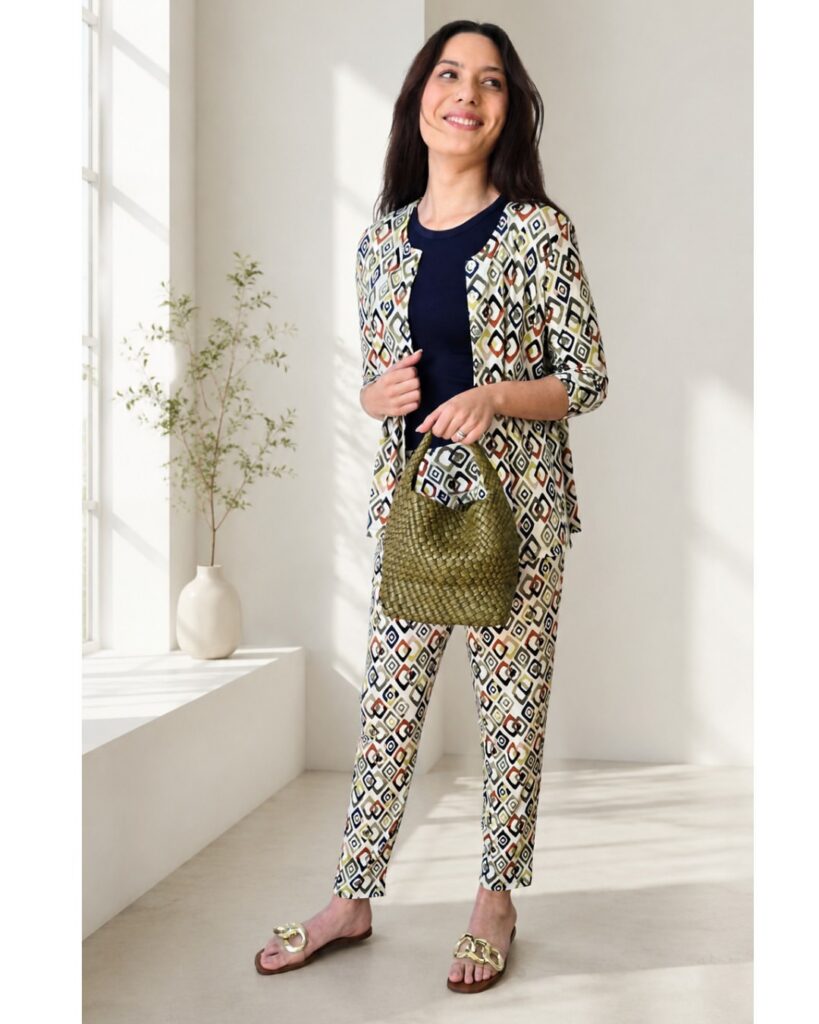
Slick’s story is not presented as one of overnight transformation. The brand says that over the years it has refined its offering into a curated wardrobe of locally made, easy-wearing pieces.
That word, “curated”, is significant.
It suggests that growth has involved making deliberate choices about the products the business wants to represent rather than simply increasing the number of garments available.
For an entrepreneur, this provides a useful lesson. More products do not automatically create a stronger brand. A focused selection that reflects a clear identity can make it easier for customers and retail partners to understand what a business represents.
Refinement can therefore be a growth strategy in itself.
Building Relationships Behind the Clothes
One of Slick’s most important strengths lies beyond the finished garments.
The founder works closely with factories and pattern makers to bring each collection to life. Many of those partners have been involved with the business for years.
The relationship is described as a collaborative process rooted in respect, care and a shared passion for craftsmanship.
That reveals an important part of the business model.
Fashion is often presented through the finished product, but producing clothing requires a network of people and skills behind the scenes. Long-standing relationships can provide continuity and create a foundation for collaboration.
For aspiring entrepreneurs, the lesson is clear: relationships with suppliers and production partners should be treated as strategic assets, not simply transactional arrangements.
Trust and familiarity can become valuable strengths when a business needs to turn an idea into a finished product.

Making Local Production Part of the Brand
Slick produces most of its clothing in Cape Town.
That local manufacturing approach is a defining part of the brand’s story, particularly alongside its relationships with factories and pattern makers.
The company also uses high-quality fabrics, with many sourced from Europe.
This creates an interesting balance within the offering. The garments are predominantly produced locally, while the business sources many of its fabrics internationally.
For entrepreneurs, this demonstrates that local production and international sourcing do not have to be opposing ideas. A business can use local expertise while seeking particular materials or inputs from elsewhere.
The important consideration is whether each part of the supply chain supports the quality and proposition the brand is trying to deliver.
Knowing Where Imported Products Add Value
Slick’s offering is not exclusively locally produced.
Alongside its Cape Town-made range, the business also offers a selection of imported knitwear and coats.
This is another example of the importance of knowing what belongs within a brand’s proposition.
The imported products are presented alongside the locally made collection rather than replacing it.
For entrepreneurs, this provides a useful lesson in strategic flexibility. A brand can maintain a strong core identity while introducing complementary products where they make sense for customers.
The objective should not be to make every product fit an arbitrary rule. It should be to ensure that additions strengthen rather than confuse the overall proposition.
Choosing Wholesale as a Growth Channel
Slick’s business model also provides one of its clearest strategic lessons.
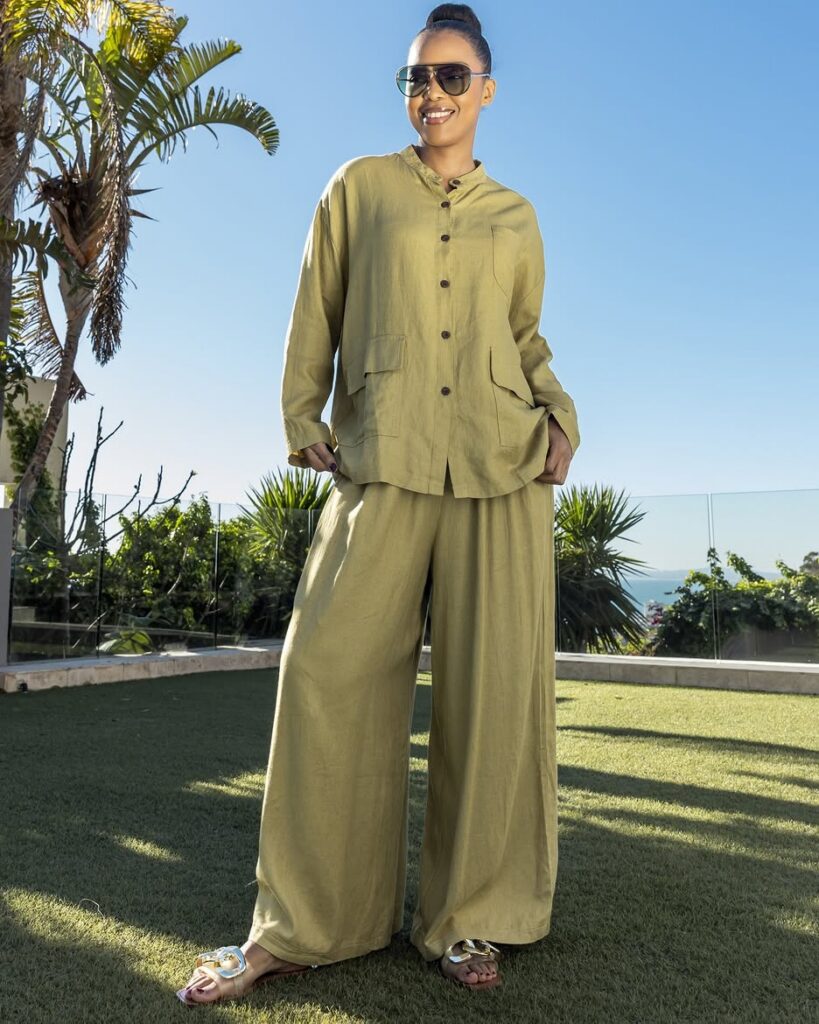
The company is proudly a wholesale business, supplying stores across South Africa and Zimbabwe. Its full range is available through its stockists, while only a limited selection is offered online.
That means the brand’s retail presence is closely connected to its network of stockists.
For a fashion entrepreneur, wholesale can provide an alternative route to market by placing products within established retail environments rather than relying exclusively on direct online sales.
It also requires a business to think carefully about consistency, production and relationships because retailers need a reliable supplier and a product range that works for their customers.
Slick’s model shows the importance of choosing distribution channels that match the nature of the business.
Designing for Real Life
Perhaps the strongest thread running through Slick’s positioning is practicality.
The brand’s clothes are designed to be easy to wear and versatile enough to move between different parts of everyday life.
That is a useful reminder that customers do not necessarily buy clothing because they want more items in their wardrobes. They want pieces that work.
For entrepreneurs, the broader lesson is to understand the situation in which customers use a product.
A strong product proposition answers more than “What is this?” It also answers “Where does this fit into my life?”
Slick’s focus on office days, weekend getaways and everyday confidence gives its clothing a practical context.
The Bigger Lesson Behind Slick
Slick’s journey from its beginnings in Cape Town in 2001 to its current wholesale operation across South Africa and Zimbabwe demonstrates the value of building patiently around a clear identity.
The brand has refined its offering rather than abandoning its foundations. It has maintained close relationships with factories and pattern makers, produces most of its clothing locally, sources many fabrics from Europe and selectively incorporates imported knitwear and coats.
Its strength is not based on one isolated decision. It comes from the way those decisions work together.
For aspiring entrepreneurs, the lesson is to build the parts of the business that customers may never see just as carefully as the parts they do. Invest in relationships. Know what your brand stands for. Refine your offering. Choose distribution channels that suit your business. Most importantly, create products that have a clear role in people’s lives.




