Homely Collection: How a Love for Textile Art Became a Homeware Brand

Homely Collection: How a Love for Textile Art Became a Homeware Brand. Some businesses begin with a detailed commercial plan. Others start with curiosity, experimentation and the discovery of a craft that opens up an unexpected opportunity. For Homely Collection, the journey began with creative inspiration during European travels in 2022 and conversations with friends that encouraged founder Gabi to explore new ideas.
Those experiences eventually led her to yarn and textile art. In January 2023, Gabi learnt punch needle, a craft that quickly became more than a creative pastime. As she developed her skills, she also recognised an opportunity to introduce distinctive, textured homeware to the South African market.
That combination of personal interest and an identified market gap became the foundation of Homely Collection.
Based in Cape Town, the brand is built around handmade homeware created by Gabi herself in her studio. Its story offers an interesting example of how entrepreneurs can turn a developing skill into a business by paying attention to both what they enjoy making and what customers might be missing.
Recognising an Opportunity in the South African Homeware Market
One of the important decisions behind Homely Collection was the move from simply learning a craft to exploring its commercial potential.
Gabi initially began experimenting with yarn after her European travels and conversations with friends. As her interest in punch needle grew, she identified a gap in the South African market for unique, textured homeware.
This observation helped give the creative project a clearer direction. Instead of treating punch needle as an isolated hobby, she began developing products that could bring its distinctive texture into people’s homes.
For aspiring entrepreneurs, this is a useful lesson in opportunity recognition. Business ideas do not always emerge from complicated market research or the invention of something entirely new. Sometimes, an opportunity becomes visible through personal experience, creative exploration and noticing that a particular product offering is missing from the market.
However, identifying an opportunity is only the starting point. The next challenge is turning that observation into something customers can actually buy. Homely Collection’s development of different handmade homeware products became an important part of that process.

How Punch Needle Expanded Into a Homeware Collection
The early product direction centred on punch-needle mug rugs. These smaller pieces provided a starting point for the brand’s exploration of textured home accessories.
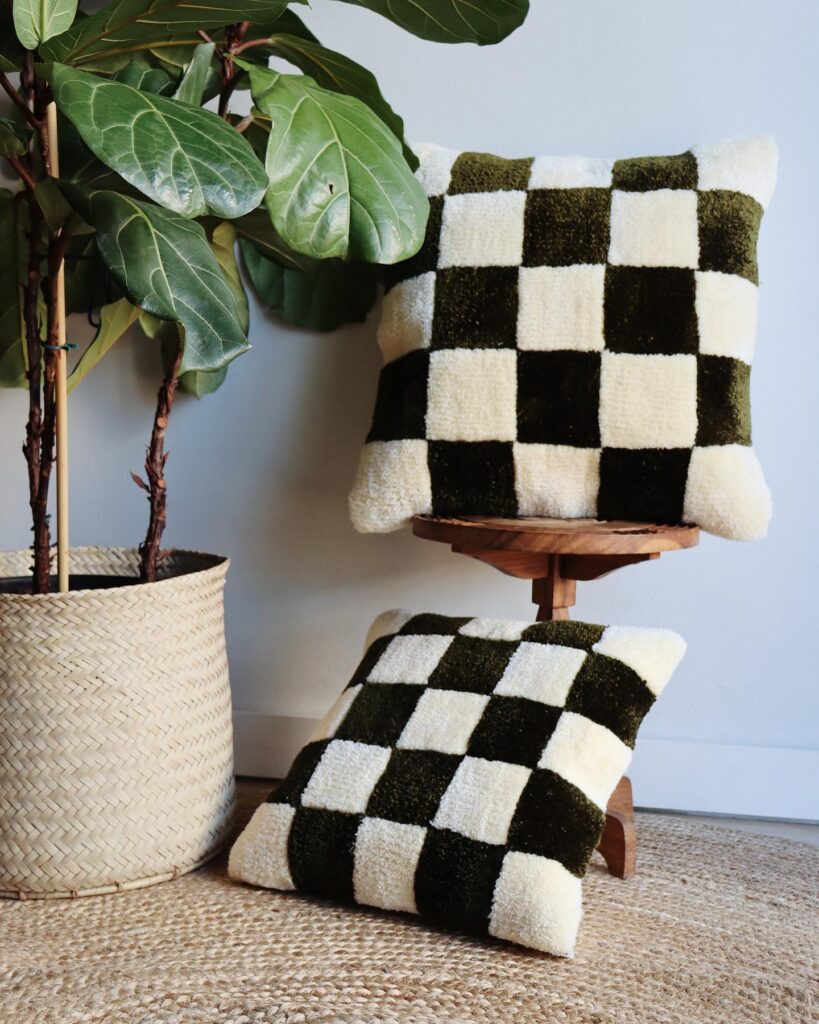
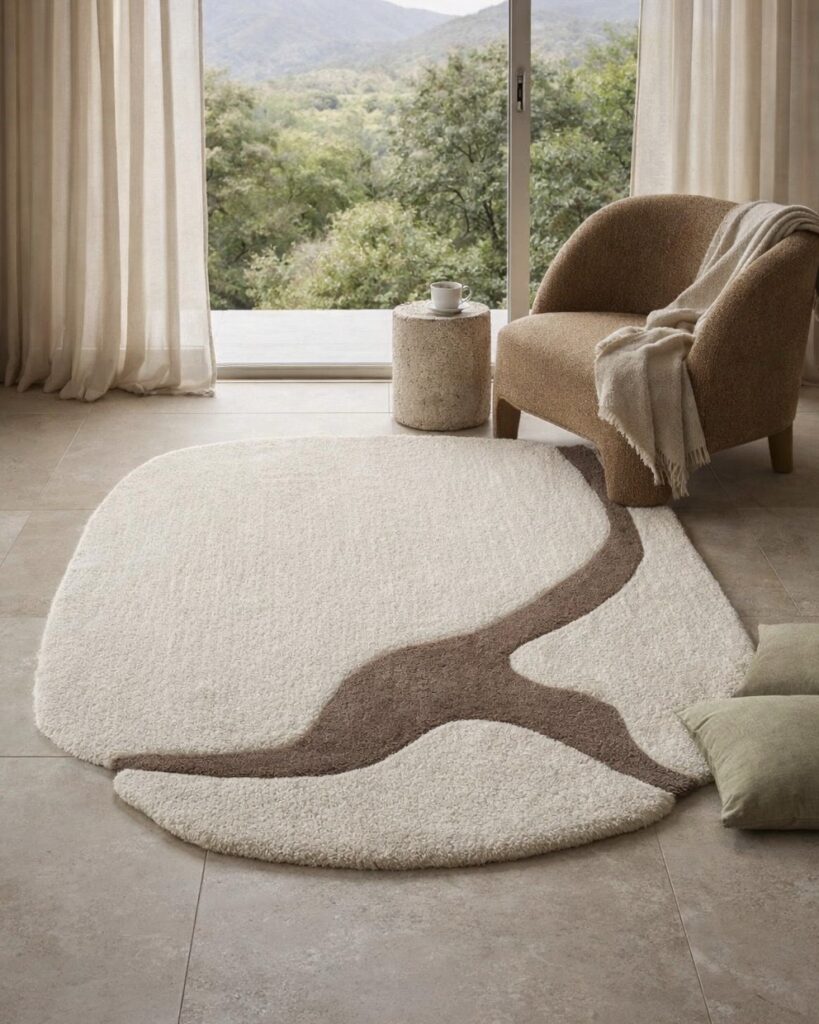
The range subsequently developed to include hand-tufted floor rugs and cushion covers. This marked an important creative progression, taking the business beyond its original craft application and into a broader homeware offering.
The development also illustrates the value of allowing a product range to evolve. Rather than remaining limited to the first items it produced, Homely Collection explored other applications of textile techniques.
For entrepreneurs, the lesson is to remain open to opportunities that emerge while developing an initial product. A successful first idea can provide the skills and creative foundation for related offerings. The key is to expand in a way that remains connected to the original identity of the business.
In Homely Collection’s case, the connection is its focus on textured, handmade pieces designed to make living spaces feel more personal and inviting.
The Value of Handmade Production
Every Homely Collection piece is handmade by Gabi in her Cape Town studio. This is a central part of the brand’s identity and distinguishes its approach from businesses that rely on mass-produced homeware.
The founder’s direct involvement in production also places attention on the individual piece. The brand highlights the care and attention to detail involved in making its products, reinforcing its focus on quality rather than treating home accessories as disposable purchases.
For a developing creative business, handmade production can also shape how customers understand the product. The value proposition is not limited to the item’s practical purpose. It includes the craft, time and attention involved in creating it.
This offers an important lesson for entrepreneurs: understand what makes the production process meaningful and communicate that clearly. Customers should be able to recognise the qualities that distinguish a handmade product from more conventional alternatives.
Local Shopping and Sustainability at the Centre
Homely Collection’s message extends beyond its products. The brand encourages customers to support local businesses and shop sustainably by choosing quality pieces intended to last.
This gives the business a clear position within the local creative market. Its Cape Town production base, handmade approach and emphasis on durable homeware all contribute to that identity.
The opportunity for entrepreneurs is to build a business around values that are reflected in the actual product offering. Supporting local production and encouraging more considered purchasing are meaningful parts of Homely Collection’s positioning.
The brand does not simply present its products as decorative additions. Its stated aim is to make homes feel more homely while encouraging customers to invest in quality pieces.
The Lessons Behind Homely Collection’s Growth
Homely Collection’s development offers several practical lessons for aspiring entrepreneurs.
First, personal interests can become business opportunities when they are matched with a clear customer need. Gabi’s introduction to punch needle developed into a business after she recognised an opportunity for distinctive textured homeware.
Second, starting with a focused product does not mean remaining limited to it. The progression from mug rugs to hand-tufted floor rugs and cushion covers demonstrates how a creative skill can lead to related products.
Third, a recognisable brand identity matters. Homely Collection connects its products through handmade production, texture, home styling and a focus on quality.
Finally, entrepreneurs should communicate the values behind their products. Local production and sustainable shopping are part of the brand’s message, giving customers a clearer understanding of what their purchase supports.
The available information does not detail Homely Collection’s sales figures, retail partnerships, marketing campaigns or distribution expansion. Its development is nevertheless a practical example of how a small creative project can evolve into a niche homeware brand through experimentation, product development and a clear sense of purpose.
For Gabi, the journey began with yarn, a new skill and conversations that sparked an idea. Homely Collection has since grown from that starting point into a handmade homeware business with an evolving range. Its story shows that building a brand can begin with something simple: finding a craft worth pursuing, recognising where it could meet a customer need and putting care into every piece.