Honey Active: Building an Activewear Brand Around Quality and Confidence
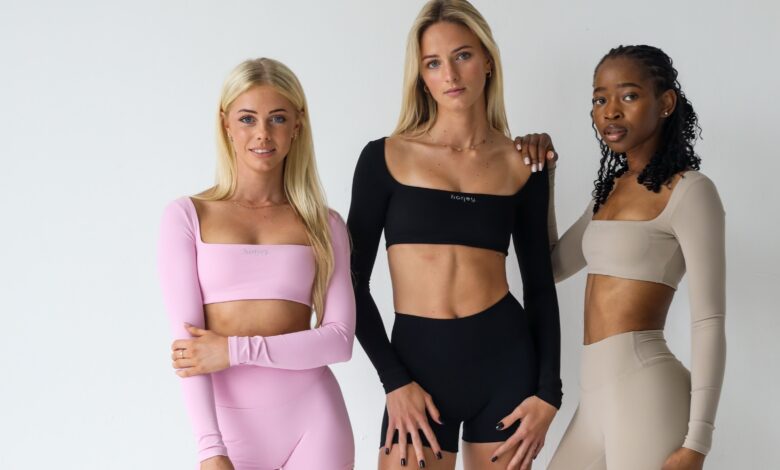
Honey Active: Building an Activewear Brand Around Quality and Confidence.The activewear market is built around more than clothing. Customers want pieces that look good, feel comfortable and perform during movement. For brands competing in this space, delivering on all three expectations is important. Honey Active places these qualities at the centre of its brand promise, while adding another consideration: the impact that customer purchases can have on local enterprise.
The South African activewear brand presents itself as more than a clothing business. Its message is built around confidence, comfort and performance, alongside a commitment to supporting local entrepreneurs, creating jobs and empowering the team involved in the business.
This combination gives Honey Active two connected areas of focus. It aims to provide customers with premium-quality, stylish activewear while making the purchasing decision part of a wider contribution to South African business.
For entrepreneurs, this offers an important starting point: a brand can compete through its products while also communicating the values that shape its business.
Making Quality the Foundation of the Brand Promise
Honey Active’s product promise centres on three qualities: style, comfort and performance. The brand says its activewear is designed to move with customers, with attention given to flattering fits, lasting durability and consistent quality.
These are important considerations in a category where customers expect clothing to perform beyond its appearance. Activewear needs to accommodate movement while remaining comfortable and visually appealing.
Honey Active’s emphasis on these qualities gives its positioning a clear direction. Rather than focusing only on fashionable designs, it communicates a broader product expectation that combines appearance with practical use.
There is a useful lesson here for entrepreneurs developing products in competitive markets. A business needs to understand what customers expect from the category and make those expectations part of its product promise. For activewear, that means looking beyond appearance to the experience of wearing the clothing.
The challenge is ensuring that the finished product consistently delivers what the brand communicates. Honey Active identifies fit, durability and quality as priorities, although the available information does not provide specific product-testing details or customer performance figures.
Connecting Every Purchase to Local Economic Participation
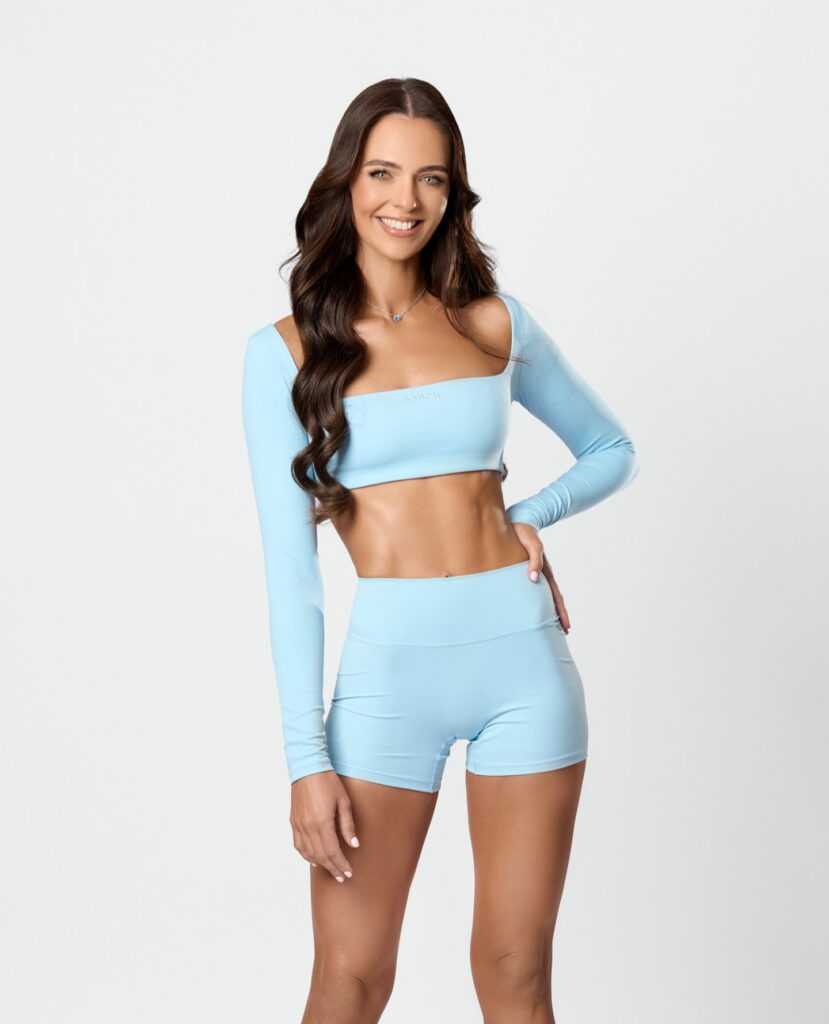
One of the defining elements of Honey Active’s positioning is its emphasis on supporting South African entrepreneurs.
The brand tells customers that purchasing its activewear contributes to local business, job creation and the empowerment of the team working behind the scenes. This makes the customer relationship about more than the exchange of money for clothing.
It also gives the business a way to communicate its place within the South African economy. Rather than presenting local support as a separate message, Honey Active connects it directly to the act of shopping with the brand.
For aspiring entrepreneurs, this demonstrates how a business can make its wider purpose part of its customer proposition. Consumers are buying a product, but they are also being given a reason to understand the business behind it.
However, purpose-driven marketing works best when it is supported by real business practices. Honey Active states that its purchases support local entrepreneurs and create jobs, but the supplied information does not specify the number of jobs created, the entrepreneurs involved or the scale of its economic contribution.
The practical lesson is to communicate social and economic commitments clearly while ensuring that claims remain connected to what the business can demonstrate.
Building a Brand Around Confidence and Community
Honey Active’s opening message, “Hello, honey”, introduces a friendly and direct brand voice. Its wider communication reinforces the idea that customers are joining something bigger than an ordinary activewear purchase.
The brand describes itself as a movement, linking its clothing to confidence and the people involved in bringing its products to customers.
This approach creates a connection between product identity and business purpose. The clothing is positioned around how customers want to feel when wearing it, while the local-enterprise message gives the brand another dimension.
For entrepreneurs, the lesson is that brand communication should be consistent. A business can have strong products, but customers also need to understand what it represents. Honey Active brings its product promise and wider mission together in a single message.
The Opportunity in Combining Style With Performance
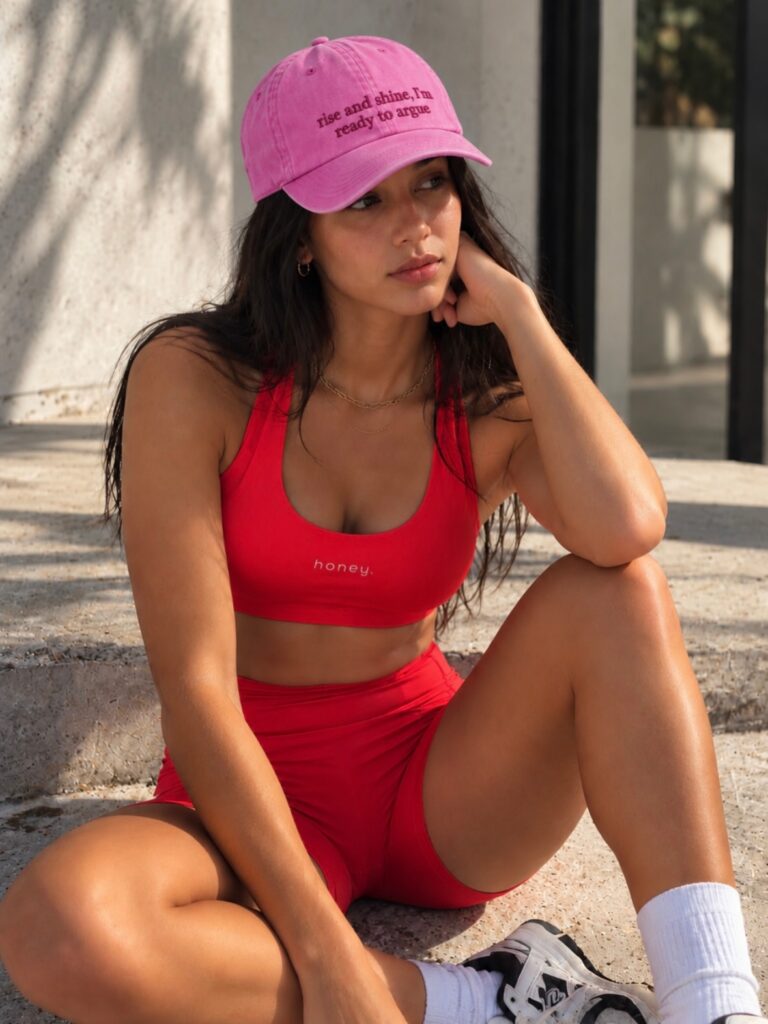
Honey Active’s positioning reflects the different expectations customers bring to activewear. They want clothing that is stylish enough to wear with confidence, comfortable enough for movement and durable enough to remain useful over time.
The brand’s promise addresses these expectations through its focus on flattering fits, comfort, performance and lasting quality.
This offers a practical lesson for businesses operating in crowded markets: identify the qualities customers value most and make them central to the offering. A clear product promise is more useful than trying to appeal to everyone through vague claims.
It also creates a standard against which the business can evaluate future product decisions. Honey Active says every purchase helps it grow and innovate, with the intention of bringing customers more of what they love.
That statement connects customer support with the brand’s ambitions for continued development, although no specific product launches or expansion plans have been provided.
The Business Lessons Behind Honey Active
Honey Active’s stated approach offers several useful lessons for entrepreneurs building consumer brands.
First, product quality needs to be central to the business. Its focus on fit, comfort, durability and performance gives customers a clear understanding of what the brand promises.
Second, a brand can use its local identity to create a meaningful point of difference. Honey Active connects shopping with support for South African entrepreneurs and job creation.
Third, the customer experience should be connected to a consistent message. The brand brings together confidence, stylish activewear and local economic participation rather than treating them as unrelated ideas.
Finally, businesses should view customer support as part of their ability to develop. Honey Active explicitly links purchases to its capacity to grow and innovate.
The available information does not detail the brand’s founding story, sales performance, marketing campaigns, distribution network or specific expansion milestones. Its stated positioning nevertheless provides a clear example of how product quality and a wider business purpose can work together.
Honey Active’s central proposition is straightforward: activewear should deliver on style, comfort and performance, while the business behind it should contribute to something beyond the product itself. For aspiring entrepreneurs, that is a useful reminder that building a brand involves more than creating something people want to buy. It also means defining what the business promises, communicating why it matters and working to deliver on both.