From a Tiny Kitchen to a Clarens Workshop: The Lessons Behind Oak Leather
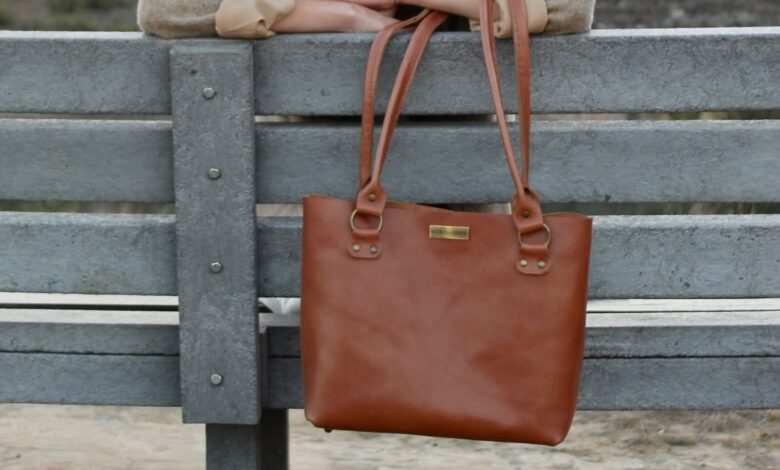
From a Tiny Kitchen to a Clarens Workshop: The Lessons Behind Oak Leather. Oak Leather’s story begins in an unlikely place for a leather goods business: a tiny kitchen in the Free State. That modest beginning is central to the identity of the family-run business, which started with a dream and a first line of products made by hand. Today, Oak Leather operates from Clarens, where its products are still cut and handsewn by one of six people working in its workshop.
The journey from a small kitchen to an established workshop offers a useful look at what can happen when a business builds its identity around craftsmanship, quality and authenticity. Oak Leather has not positioned its products around speed or mass production. Instead, its proposition is centred on handcrafted genuine leather goods and timeless pieces designed for people who value quality and products made to last.
Starting Small Without Losing Sight of the Vision
Oak Leather’s earliest chapter is also one of its clearest business lessons.
The company began with humble resources, making its first line of products in a tiny kitchen. There is no suggestion that the founders began with a large operation or extensive infrastructure. What existed was a dream and the willingness to turn that dream into physical products.
For aspiring entrepreneurs, that starting point matters. A business does not necessarily need to begin at its eventual scale. Starting with a focused product range can allow an entrepreneur to learn, refine their craft and understand what the business can realistically produce.
Oak Leather’s journey shows the value of building from what is available rather than waiting for perfect conditions.

Making Craftsmanship the Core Proposition
As Oak Leather developed, handcrafted production remained central to the business.
Today, all of its products are cut and handsewn by one of six people in the workshop. That detail says something important about the company’s positioning. Craftsmanship is not simply a marketing message placed around the products. It is part of how the products are actually made.
This creates a clear point of difference in a market where consumers can find products manufactured at very different scales.
Oak Leather’s focus is on genuine leather goods and timeless pieces for people who value quality, authenticity and durability. The proposition is therefore straightforward: create products carefully and make them to last.
For entrepreneurs, this demonstrates the importance of aligning marketing with operations. If a brand claims craftsmanship, customers should be able to see evidence of that craftsmanship in the product and the way the business operates.
Turning Location Into Part of the Brand Story
Oak Leather is based in Clarens, a Free State town where customers can visit its workshop by appointment.
The workshop provides an opportunity for customers to experience more than the finished products. Visitors can discover a wider variety of unique items for sale and engage directly with the business.
For a handcrafted brand, that physical connection can be particularly valuable. The workshop reinforces the story behind the products because customers can associate what they purchase with a real place and real people.
The lesson for entrepreneurs is to consider how a physical environment can strengthen a brand’s identity. A workshop, studio, farm, kitchen or showroom can become more than a workplace when it helps customers understand where a product comes from.

Building Around Quality Rather Than Volume
Oak Leather’s stated ambition is to continue making beautiful products that will last a lifetime.
That philosophy gives the business a distinct strategic direction. Rather than focusing its identity on producing as much as possible, the brand emphasises longevity and quality.
This is also reflected in its description of the customers it wants to serve: people who value quality, authenticity and products made to last.
For entrepreneurs, defining the customer through values can be useful. Oak Leather is not simply describing what it sells. It is communicating what kind of customer is likely to appreciate it.
That creates a stronger foundation for marketing because product quality, craftsmanship and durability can consistently reinforce the same brand message.
Keeping the Human Element Visible
Oak Leather describes its workshop team as a loving and loyal bunch. That human element adds another layer to the business story.
Behind every handcrafted product are people who cut and sew the goods. This makes the production process part of the brand narrative and gives customers a clearer connection to the people responsible for the products they purchase.
For small businesses, this can be a significant strength. Large-scale production can offer efficiency, but smaller brands can often show the people, processes and stories behind their products.
Entrepreneurs should therefore look at what makes their operations human and consider how those details can be communicated honestly.
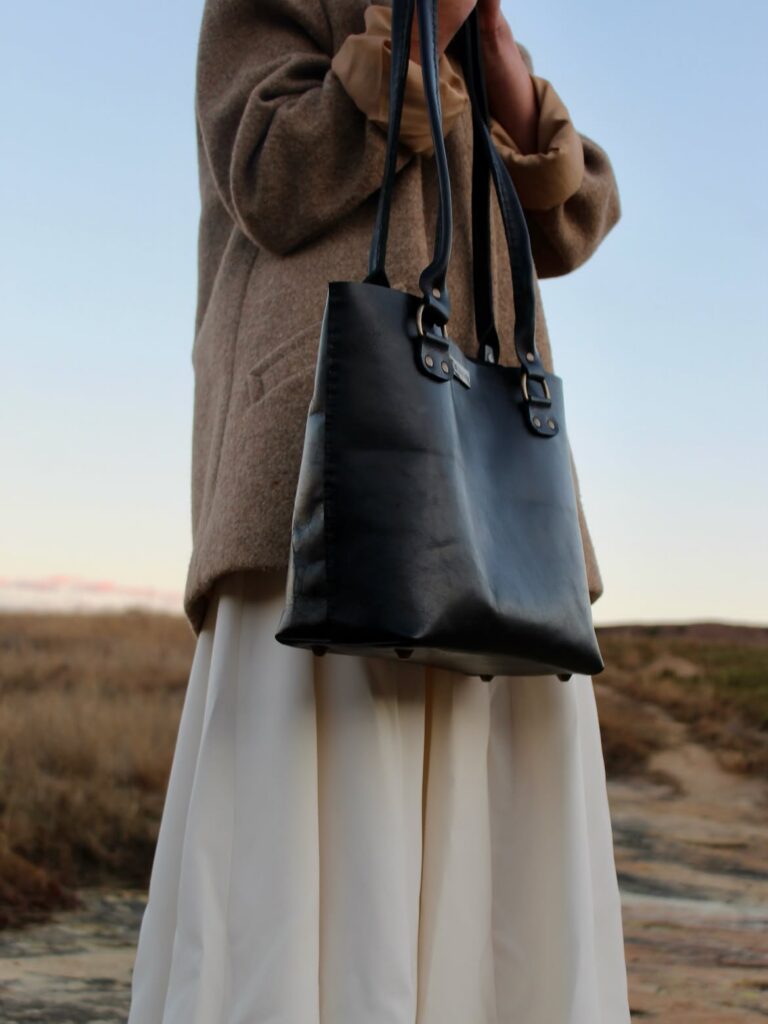
Continuing to Push the Craft Forward
Oak Leather’s story has moved from a tiny kitchen to a six-person workshop in Clarens, but the underlying ambition has remained consistent.
The business continues to push itself to make beautiful products designed to last. Its workshop also offers a greater variety of unique items, giving customers another reason to engage directly with the brand.
The important lesson is that growth does not always require abandoning the qualities that defined a business at the beginning. In Oak Leather’s case, the principles of handcrafted production and quality remain closely connected to its original story.
What Entrepreneurs Can Learn From Oak Leather
Oak Leather’s journey offers several practical lessons for entrepreneurs.
Start with what you have. The company’s beginnings in a tiny kitchen show that limited resources do not automatically prevent a business from getting started.
Build around a genuine strength. Oak Leather has made handcrafted production central to its proposition and continues to cut and handsew its products.
Know what your customers value. The brand speaks directly to people who appreciate quality, authenticity and longevity.
Let the production process support the marketing. When a product is genuinely handcrafted, the people and process behind it can become part of the story.
Finally, protect the qualities that made the business meaningful in the first place. Oak Leather’s journey from its humble beginnings to its Clarens workshop has not required it to abandon its focus on beautiful, durable leather goods.
Its story is a reminder that a strong brand does not always need to start big. Sometimes, it starts with a small workspace, a useful skill, a clear standard for quality and the determination to keep making something worth keeping.