From Pulp to Production: The Lessons Behind PULP Paperworks
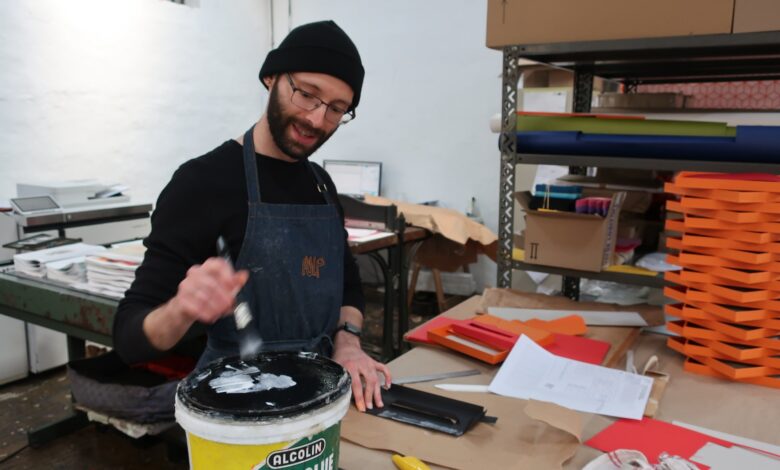
From Pulp to Production: The Lessons Behind PULP Paperworks. PULP Paperworks does not fit neatly into one category. It operates across contemporary design, publishing, printmaking, bookbinding craftsmanship, creative education, corporate gifting and community development. That combination is central to the identity of the business, which describes itself as a place where ideas can move from pulp to production.
The company’s approach offers a useful lesson for entrepreneurs who want to build businesses around creativity without being restricted by a single product or service. PULP has brought digital and analogue practices together, worked across bulk and bespoke projects, collaborated with local creatives and placed sustainability and community integration at the centre of its operations.
Its story shows that creative businesses can build commercial value while also creating space for skills development, collaboration and community participation.
Building a Business Across Creative Disciplines
PULP Paperworks operates at the intersection of several creative fields rather than defining itself solely as a stationery or bookbinding business.
Publishing sits alongside printmaking. Contemporary design works alongside traditional bookbinding craftsmanship. Creative education exists alongside corporate gifting.
That breadth creates opportunities for the business to work with different types of customers and projects while maintaining a common creative foundation.
For entrepreneurs, there is an important lesson here. Diversification is most useful when different offerings are connected by a clear underlying capability.
PULP’s various activities all revolve around making, designing, printing, binding, teaching and bringing ideas into physical form. That connection gives the business room to explore different opportunities without losing its identity.
Making Sustainability Part of the Business
Sustainability is another central part of PULP’s approach.
The company uses environmentally and socially ethical materials and makes it clear that sustainability extends beyond recycling or simply using recycled products. It also applies to its work ethic.
That broader definition is significant because it treats sustainability as part of the way the business operates rather than as a single feature attached to a product.
For entrepreneurs, this provides a practical lesson in authenticity. If sustainability is part of a company’s identity, it needs to influence decisions beyond packaging or materials.
PULP connects its environmental and social thinking with its materials, work practices and community activities, creating a more comprehensive approach.
Welcoming the Challenge of Bespoke Work
PULP describes its team as willing to take on every challenge, bringing together concepts from digital to analogue and bulk to bespoke.
That flexibility is a valuable strength for a creative business.
A standardised product can be efficient to produce, but bespoke work creates opportunities to solve specific customer problems. At the same time, maintaining capabilities across digital and analogue processes gives the team different ways to approach a project.
For entrepreneurs, the lesson is not to say yes to every request without considering capacity. Instead, it is to identify where flexibility genuinely creates value.
A business that can adapt its skills to different requirements can develop a reputation for problem solving rather than simply selling a fixed catalogue of products.
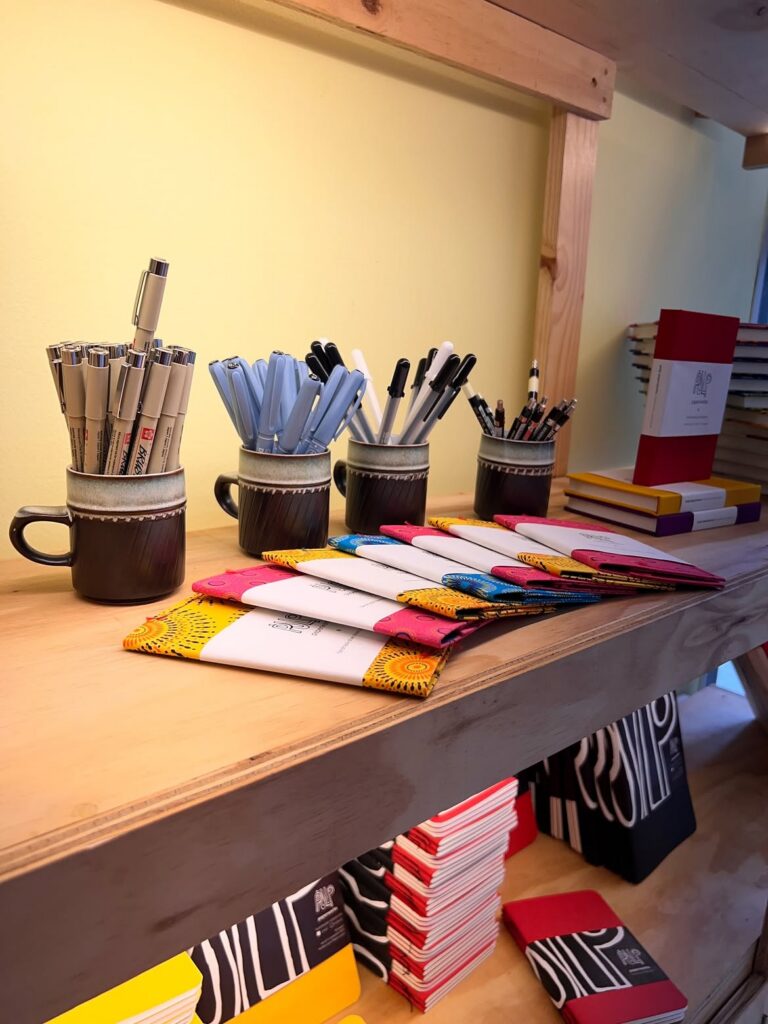
Collaboration as a Creative Strategy
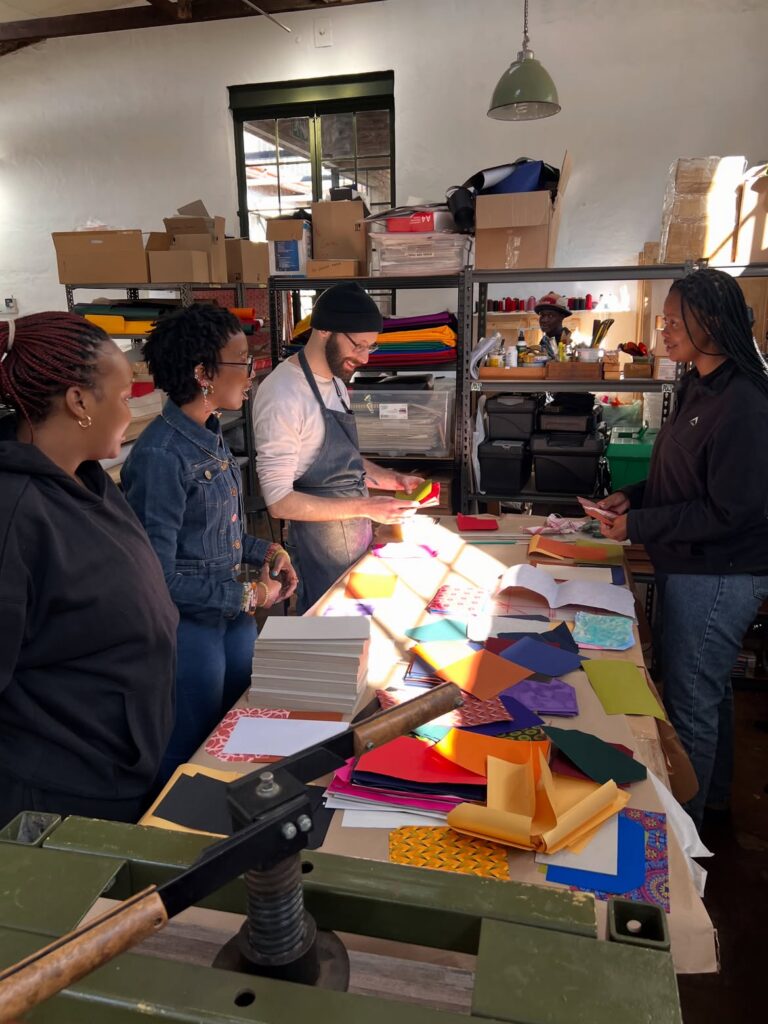
PULP operates collaboratively and continually develops new designs alongside local guest artists, artisans and designers.
This approach creates a flow of different ideas into the business while giving local creatives an opportunity to contribute to its work.
Collaboration can also strengthen a creative brand because it introduces different perspectives without requiring the business to build every capability internally.
For entrepreneurs, partnerships should therefore be viewed as more than promotional opportunities. The right collaborators can influence product development, introduce new skills and help a business reach creative audiences it may not otherwise reach.
PULP’s model makes collaboration part of the creative process itself.
Turning Community Development Into Action
Community integration and outreach are important to PULP, with its Internship and Learnership Programs described as its most successful formats.
This is an example of community development being connected to a practical business structure.
Internships and learnerships create opportunities for people to develop skills while becoming involved in a creative working environment.
For entrepreneurs, this demonstrates that social impact does not always need to sit separately from the core business. Skills development can become part of how a company operates and how it contributes to its surrounding community.
It also highlights a broader opportunity for businesses with specialised knowledge: teaching those skills can create value for both the participant and the organisation.
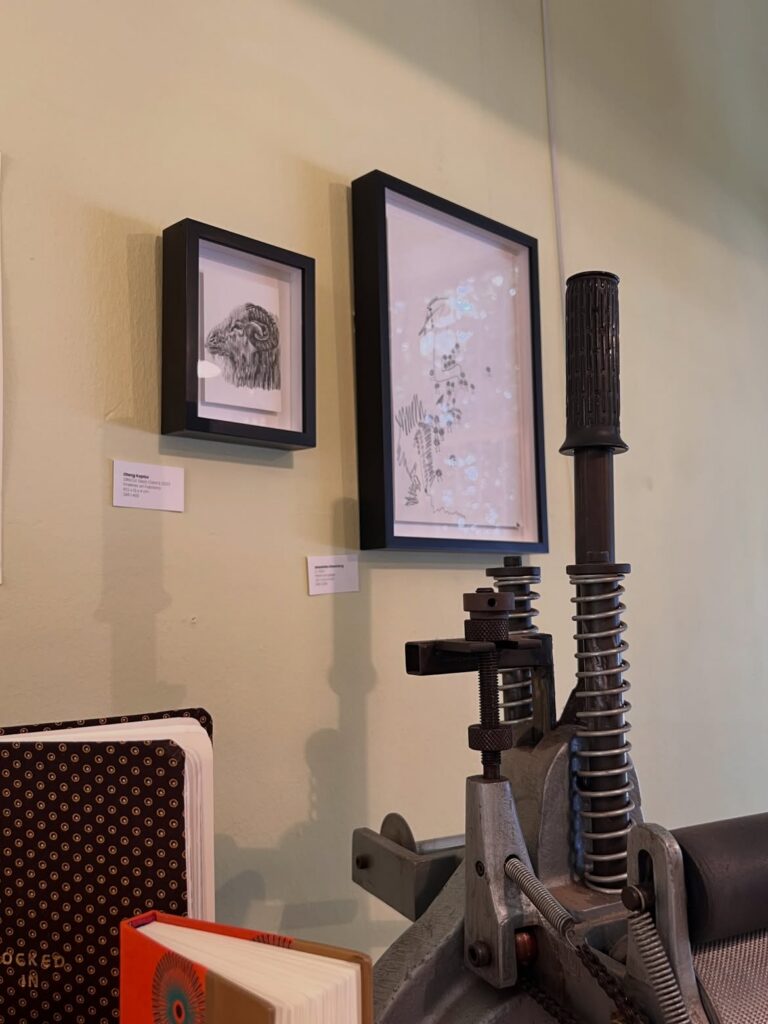
Victoria Yards as a Creative Ecosystem
PULP’s studio inside Victoria Yards gives its work another important dimension.
The company identifies the creative ecosystem around the space as being focused on arts and culture, artisan skills development, community engagement, urban regeneration, sustainability, education and collaboration.
Being located within that environment allows PULP to contribute to a wider network rather than operating in isolation.
For entrepreneurs, location can be a strategic decision rather than simply a logistical one. A business situated among complementary organisations, creatives and community initiatives can find opportunities for collaboration and learning that may not exist elsewhere.
In PULP’s case, the studio forms part of an environment that aligns closely with the values the business promotes.
Connecting Ideas to Physical Products
At the heart of PULP’s proposition is the idea of bringing concepts to life, from pulp to production.
That phrase captures the relationship between creativity and craftsmanship that runs through the business.
An idea can begin digitally, develop through design, move into printmaking or publishing and ultimately become a physical object through bookbinding and production.
For entrepreneurs, this provides another important lesson. A strong creative business can create value by reducing the distance between an idea and its final form.
When customers can access several stages of the creative process through one organisation, the business becomes more than a supplier. It becomes a partner in bringing an idea into existence.
What Entrepreneurs Can Learn From PULP Paperworks
PULP Paperworks offers several practical lessons for entrepreneurs.
Build around connected capabilities rather than unrelated products.
Treat sustainability as an operational principle rather than simply a marketing message.
Use collaboration to bring new ideas and skills into the business.
Create practical community programmes that develop skills and meaningful participation.
Choose environments that support your business values and create opportunities for collaboration.
Finally, remain open to both bulk and bespoke opportunities while understanding where your capabilities create the most value.
PULP Paperworks demonstrates that a creative company can operate across several disciplines while maintaining a coherent purpose. Its combination of design, publishing, printmaking, bookbinding, education, gifting and community development creates a model built around making ideas tangible.
The bigger lesson is that entrepreneurship does not always require choosing one narrow lane. When different capabilities share a clear purpose, they can reinforce one another.