From a Small-Town Idea to a Growing Handmade Brand: The Lessons Behind Dinaledi
From a Small-Town Idea to a Growing Handmade Brand: The Lessons Behind Dinaledi. In the farm town of Tzaneen, Limpopo, a shortage of gentle handmade products became the starting point for Dinaledi. What began with a simple idea developed into a brand built around natural ingredients, careful design and handcrafted self-care products.
Dinaledi describes itself as a group of passionate individuals who came together to create high-quality products inspired by nature. Its offering is positioned around luxury, natural ingredients and cruelty-free products, while the brand says its products are made without allergens or irritants. Its journey provides practical lessons about identifying local opportunities, creating a recognisable product identity and expanding a range without losing sight of the values that established the business.
Turning a Local Gap Into a Business Opportunity
Dinaledi’s story begins with an opportunity that was close to home.
The brand says it was established in Tzaneen after its founders noticed a scarcity of gentle, handmade products in their community. Rather than treating the limited availability as simply a problem for consumers, they saw an opportunity to create their own range.
That is an important lesson for entrepreneurs. Business opportunities do not always begin with complicated market research or a revolutionary invention. Sometimes they start with paying attention to what people around you cannot easily find.
The key is to move beyond noticing the gap. Dinaledi’s response was to develop products that reflected the qualities it wanted to offer, including natural ingredients, handmade production and a sense of luxury.
For an aspiring entrepreneur, the practical lesson is to examine everyday frustrations in a specific community. A local gap can provide the first customer base and the starting point for a much larger brand.

Building a Brand Around Clear Values
Dinaledi’s positioning is closely connected to what goes into its products and what it chooses to leave out.
The brand describes its creations as natural and cruelty-free, while its product philosophy emphasises avoiding allergens and irritants. That gives customers a clear understanding of the principles behind the range.
This clarity matters because a brand becomes easier to remember when its values consistently appear across its products.
Dinaledi does not present natural ingredients as a small feature buried within its product descriptions. They are central to the brand’s identity. From botanical additions to natural mica powder and selected oils and butters, the ingredients contribute to the overall story.
Entrepreneurs can apply this by identifying two or three genuine principles that their businesses can consistently demonstrate. The important part is making sure those values are reflected in the actual product rather than existing only as marketing language.
Making Packaging Part of the Product Experience
Dinaledi’s approach to design provides another lesson in creating brand recognition.
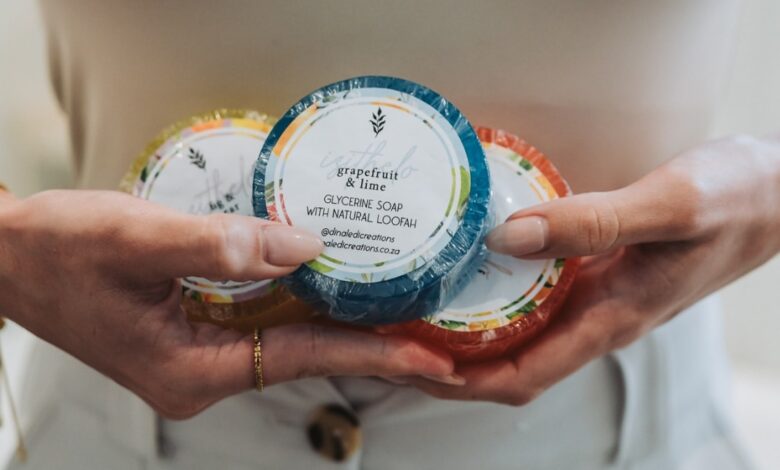
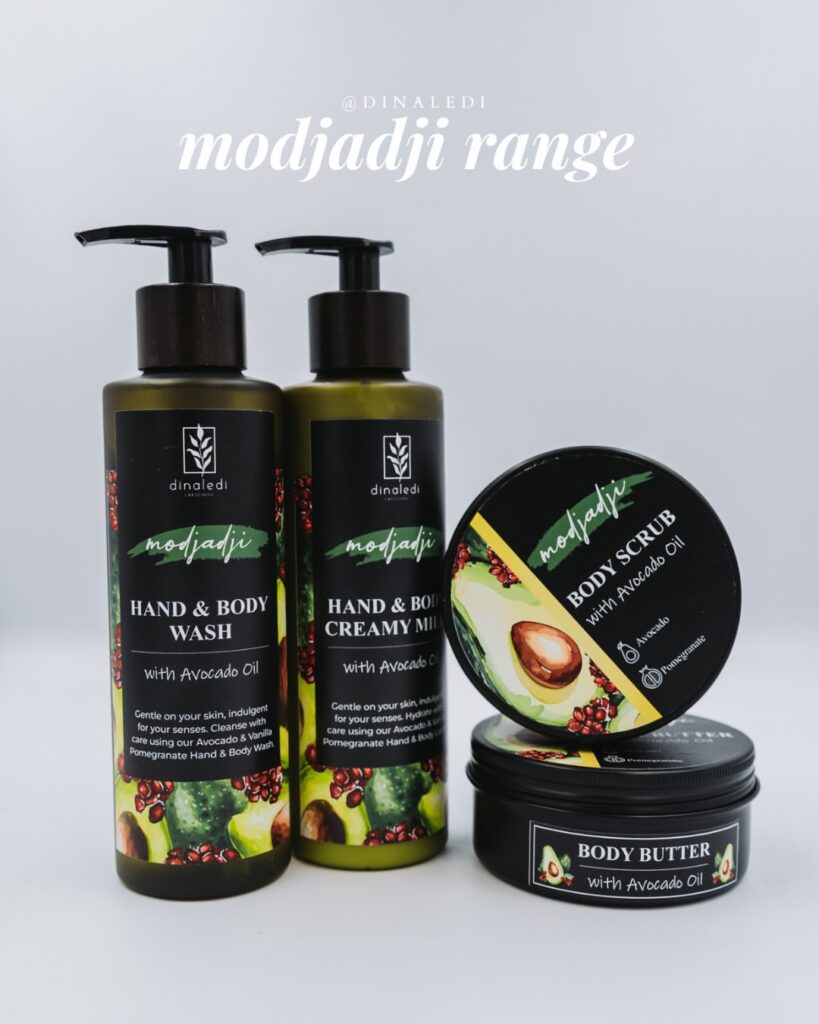
The company says every label is designed and printed in-house. Rather than treating individual products as unrelated items, the labels are developed around a unified theme.
That decision gives the collection visual consistency.
For a small business, this can be particularly valuable. Customers may encounter one product first, but consistent packaging can help them recognise other products from the same company.
Dinaledi’s approach also shows how control over a relatively small part of production can influence the wider customer experience. Entrepreneurs do not necessarily need expensive packaging to establish a visual identity. Consistency, attention to detail and a recognisable design language can be equally important.
Letting Natural Ingredients Shape the Product Identity
The ingredients used by Dinaledi reinforce its relationship with nature.
The brand says it uses natural mica powder for colouring, creating a distinctive pastel palette rather than highly intense colours. Its products are fragranced using either natural essential oils or pure fragrances.
Its liquid soaps and lotions feature jojoba oil, alongside ingredients including almond oil, shea butter, coconut butter, coconut oil and olive oil. Dinaledi also incorporates botanicals such as rose leaves, rooibos leaves, rosemary, chamomile flowers, lavender and Himalayan salt.
The lesson here is not simply to use more ingredients. It is to make product choices support the identity of the brand.
For Dinaledi, colour, fragrance, oils and botanicals all contribute to the experience it wants its products to provide. Entrepreneurs can use the same principle by ensuring that individual product decisions reinforce the central promise of their brands.
Creating Different Products Around the Same Customer Experience
Dinaledi has expanded beyond a single type of handmade product.
Its range includes bath bombs and shower steamers, among other creations. The brand says its bath bombs are designed with women in mind and use natural ingredients and minimal oil, while its shower steamers are positioned as versatile products that can provide an aromatic shower experience.
This is an example of expanding around an existing customer interest rather than moving into an unrelated category.
The opportunity is important for small businesses. Once a company understands what customers value, it can look for additional products that complement the original offering.
However, expansion also creates a risk. Adding products simply because they are popular can weaken a brand’s identity. Dinaledi’s stated emphasis on natural, handcrafted and luxurious creations provides a framework for deciding what belongs in the range.

Growing the Range Without Losing the Original Vision
Dinaledi describes its journey as one of fulfilment and growth, with new products consistently being added to its range.
The interesting part is that expansion has not replaced the original idea. The brand continues to emphasise handcrafted creations and its connection to nature.
That provides one of the most useful lessons from its journey: growth does not necessarily require abandoning the reason a business was created.
Entrepreneurs can establish a simple test for expansion. Before adding a new product, ask whether it fits the brand’s values, serves the same customer needs and strengthens the overall range.
If the answer is no, growth may be creating more complexity rather than more value.
Turning a Small-Town Beginning Into a Brand Story
Dinaledi’s origins in Tzaneen are more than a location in its history. They form part of the story behind why the business exists.
The brand began because its founders saw limited access to the type of products they wanted in their community. They responded by making their own. From there, they developed a range that combines handmade production, natural ingredients, coordinated design and self-care.
That story offers an important marketing lesson. Entrepreneurs should not underestimate the power of explaining why a business exists.
Customers can understand a product quickly, but a genuine origin story can give that product context. When the story is based on real events and actual business decisions, it can make the brand easier to remember.
The Bigger Lessons Behind Dinaledi
The Dinaledi journey highlights several practical principles for entrepreneurs.
Start by paying attention to an identifiable gap. Build products around clear values. Make design consistent. Let genuine product characteristics strengthen the brand story. Expand into complementary categories and use the original vision as a filter for future decisions.
Most importantly, Dinaledi’s story shows that a business does not need to begin in a major commercial centre to develop a distinctive identity. Its starting point was Tzaneen, where a perceived shortage of handmade products prompted the creation of something new.