
Inside Loskop: The Cape Town Fashion Brand
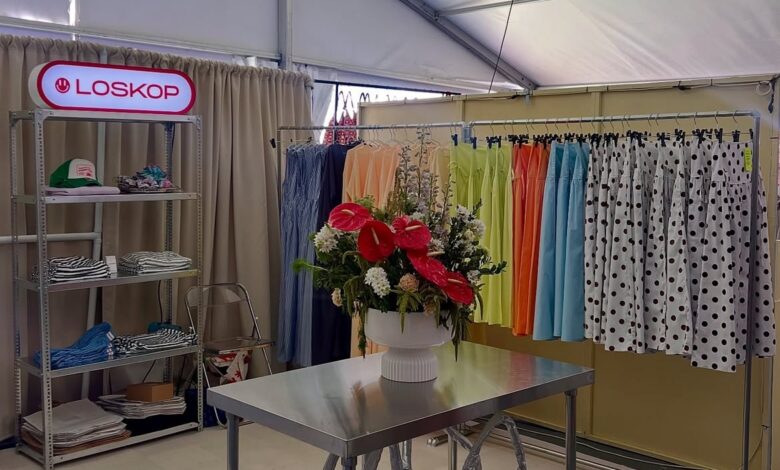
Inside Loskop: The Cape Town Fashion Brand. There is something deliberately personal about a garment made at home. For Loskop, that is not simply where production happens. It is part of the brand’s identity. The Cape Town fashion label designs, sources and manufactures all of its garments in Cape Town, South Africa. Its clothing is cut and sewn from the founders’ own garage at home, with each garment receiving individual attention rather than being produced on a mass scale.
That decision has shaped more than the way Loskop makes clothing. It has helped define the values behind the brand: timeless design, quality, ethical production, affordability and individuality.
For aspiring entrepreneurs, Loskop provides a useful case study in how a small local brand can turn its limitations into strengths by staying close to its product, its values and the customers it wants to serve.
A Garage Became the Starting Point
Loskop’s production story begins at home.
Every garment is cut and sewn from the brand’s own garage in Cape Town. That immediately sets the business apart from the traditional image of large-scale fashion manufacturing.
The company does not produce its clothing on a mass scale. As a result, it openly acknowledges that individual pieces may not be 100% perfect or exactly the same.
Rather than treating those differences as a weakness, Loskop sees them as adding character to every garment.
That perspective offers an important entrepreneurial lesson. Not every difference from mass production needs to be eliminated. Sometimes the characteristics created by a smaller production process can become part of the product’s appeal.
For small businesses, the goal should not always be to imitate larger competitors. It can be more effective to identify what makes the smaller operation different and turn that difference into part of the brand story.

Building Around Colour and Everyday Basics
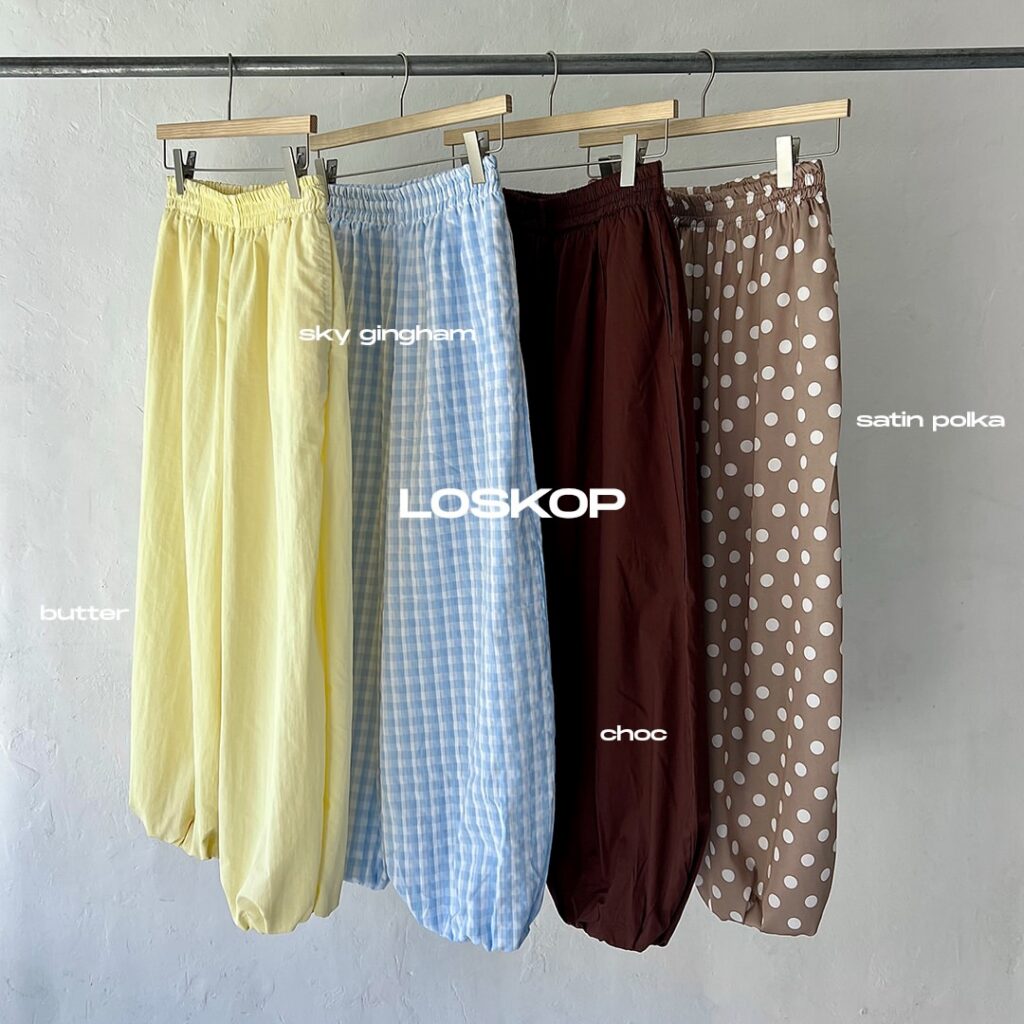
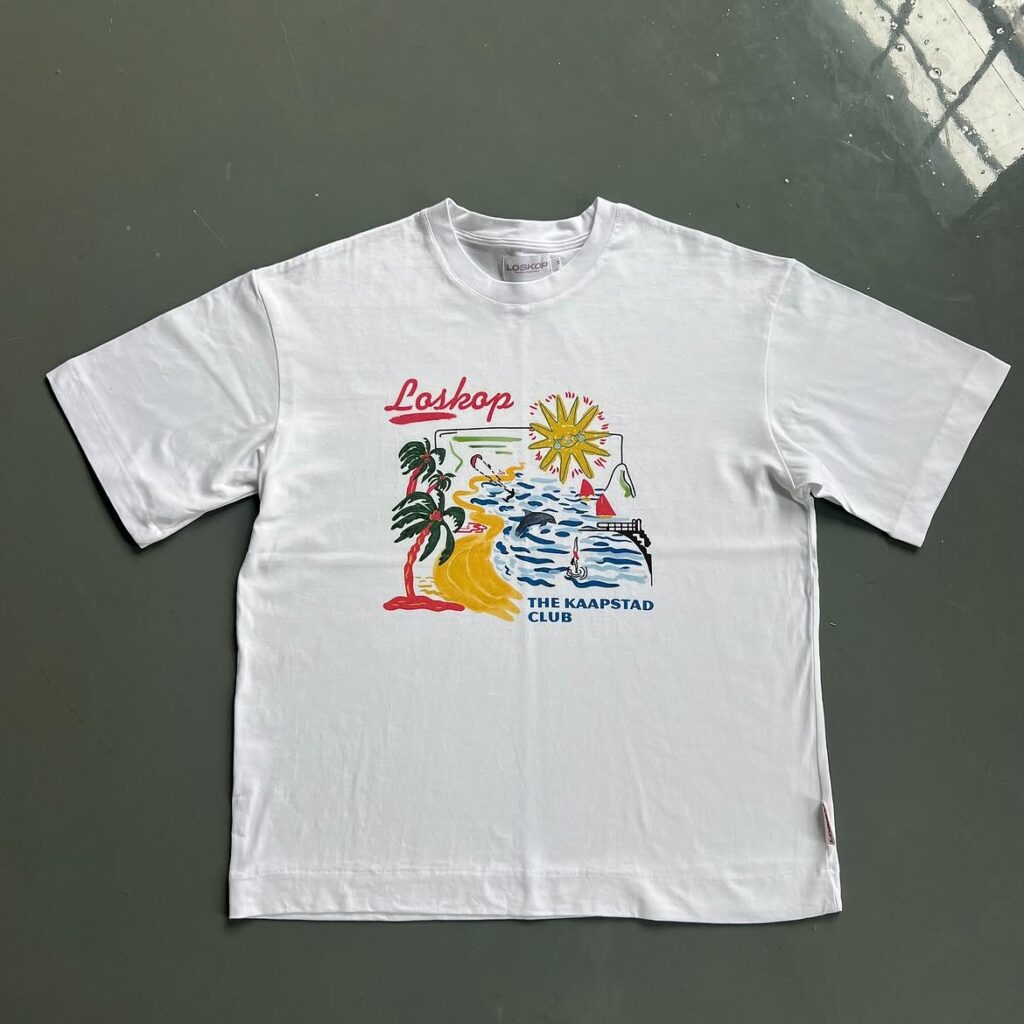
Loskop describes itself as a purveyor of high-quality, colourful basics.
That positioning is deliberately straightforward. Instead of building its identity around rapidly changing trends, the brand focuses on clothing designed for individuals who value a bold sense of style while remaining true to their own tastes.
This creates a clear distinction between fashion that follows trends and fashion that reflects personal identity.
Loskop’s approach demonstrates why a brand needs to define what it stands for before expanding its product offering.
The label’s emphasis on colourful basics provides a recognisable foundation. It tells customers what kind of clothing they can expect while leaving room for individual expression.
For entrepreneurs, the practical lesson is to avoid making the product proposition unnecessarily complicated. A clear description of what a brand does can become a powerful marketing tool when it accurately reflects the products being offered.
Choosing Timelessness Over Trend Chasing
Loskop’s values are centred on timeless, high-quality and ethically made pieces.
That approach is significant because the brand specifically targets people who are not influenced by trends but instead value their own sense of style.
This gives Loskop a defined customer perspective.
Rather than encouraging customers to constantly replace their wardrobes as trends change, the brand’s philosophy is built around pieces intended to remain relevant.
For an entrepreneur, this demonstrates the value of choosing a clear position rather than trying to satisfy every possible consumer preference.
A business does not have to follow the loudest trend in its industry. It can build its identity around an alternative philosophy and communicate that consistently.
The important point is alignment. Loskop’s product values, target customer and brand message all point in the same direction.
Ethical Production Is Part of the Proposition
Ethical manufacturing is not presented as an afterthought at Loskop.
The brand says all of its garments are designed, sourced and manufactured in Cape Town. It also describes ethical production as one of its key values.
This gives the brand a local production story that connects directly with its wider positioning.
For consumers interested in where clothing comes from and how it is made, production can become part of the purchasing decision.
For entrepreneurs, the lesson is to identify which parts of the production process can strengthen a brand’s proposition. If a business makes deliberate choices about sourcing or manufacturing, those choices can become part of its story when communicated accurately.
The key is authenticity. A brand’s sustainability or ethical claims need to reflect its actual practices.
Making Ethical Fashion More Accessible
Loskop’s ambition goes beyond producing ethical clothing.
The brand says it exists to provide authentic clothing that is ethically made while remaining affordable. It also believes ethical fashion should be accessible to everyone.
This combination gives the business a specific challenge to address: balancing ethical production with affordability.
That is a useful lesson for entrepreneurs because values often create practical business questions.
It is one thing to say a company wants to operate responsibly. It is another to build a model that allows customers to access those products.
Loskop has made accessibility part of its stated purpose, meaning affordability is not separate from the brand’s ethical positioning. It is part of the proposition.
Turning Imperfection Into Character
Perhaps one of the most interesting aspects of Loskop’s approach is its attitude towards imperfections.
Because garments are not mass produced, the brand says no item is 100% perfect or exactly the same. Instead of hiding that reality, Loskop presents the variation as part of what gives each garment character.
This is a powerful branding lesson.
Small businesses often compare themselves with larger competitors and focus on what they cannot do at the same scale. Loskop’s approach shows another possibility: make the difference itself meaningful.
Handmade or small-batch production can create variation. When that variation is genuine and consistent with the brand’s values, it can become part of the customer experience.
Entrepreneurs should therefore ask a different question when facing a limitation: can this constraint become part of what makes the business distinctive?
Creating a Brand That Feels Personal
The amount of attention given to each garment is central to Loskop’s story.
The brand says an incredible amount of love and attention goes into creating each person’s garment.
That language reinforces the distance between Loskop and mass production. The product is positioned as something made with care rather than something produced anonymously at scale.
For a small business, personal attention can become a competitive advantage.
Customers may remember not only what they bought, but the story behind it. That story becomes particularly powerful when it is supported by the actual way the product is made.
The Bigger Lesson Behind Loskop
Loskop’s journey demonstrates that a small fashion brand does not need to compete by becoming a smaller version of a mass-market clothing company.
Its foundation is different.
The brand manufactures its garments in its own Cape Town garage, produces on a non-mass scale and embraces the character created by individual production. At the same time, it has built its identity around colourful basics, personal style, timelessness, ethical production and affordability.
For aspiring entrepreneurs, the lessons are practical. Start close to the product. Know what your brand believes. Define the customer you want to serve. Do not automatically treat small-scale production as a weakness. Most importantly, make sure the story you tell customers is supported by the way you actually operate.
Loskop shows how a garage can become more than a place where products are made. It can become part of the brand itself.