
Lessons Behind Canettevallei: How a Provence-Inspired Idea Became a Brand
Lessons Behind Canettevallei: How a Provence-Inspired Idea Became a Brand. In the quiet Stellenboschkloof, about 10 kilometres outside Stellenbosch in the Western Cape, Canettevallei brings together two agricultural identities: wine and lavender. Tucked away in the valley, the farm’s lavender story began not with a large commercial plan, but with an idea inspired by travel.
After travelling to France, and specifically Provence, the owners decided in 2005 to plant lavender in front of their home on the farm. What began with that decision eventually became a business. The lavender planting expanded to three hectares of lavandin abrialis, a lavender hybrid described as angustifolia x lavandula latifolia.
The story offers entrepreneurs a useful reminder that business opportunities can develop from decisions rooted in genuine interest. Canettevallei’s journey also shows how a distinctive agricultural product can become the foundation for a focused brand.
Start with an idea that has a clear point of difference
The decision to plant lavender after travelling to Provence gave Canettevallei a specific starting point.
Rather than introducing a product without a clear connection to the farm, the business developed around lavender and its cultivation. The result is a brand with a defined product category and a strong connection to its agricultural setting.
For entrepreneurs, the lesson is to pay attention to ideas that naturally connect personal interests, existing resources and a clear product opportunity.
A business idea does not necessarily have to begin as a large-scale operation. Canettevallei’s story started with lavender planted in front of the owners’ home before developing into three hectares.
That progression illustrates the value of allowing an idea to develop into a business through a tangible product.

Turn agricultural production into a product range
Growing lavender is one part of the Canettevallei story. Developing products from that lavender creates another layer of the business.
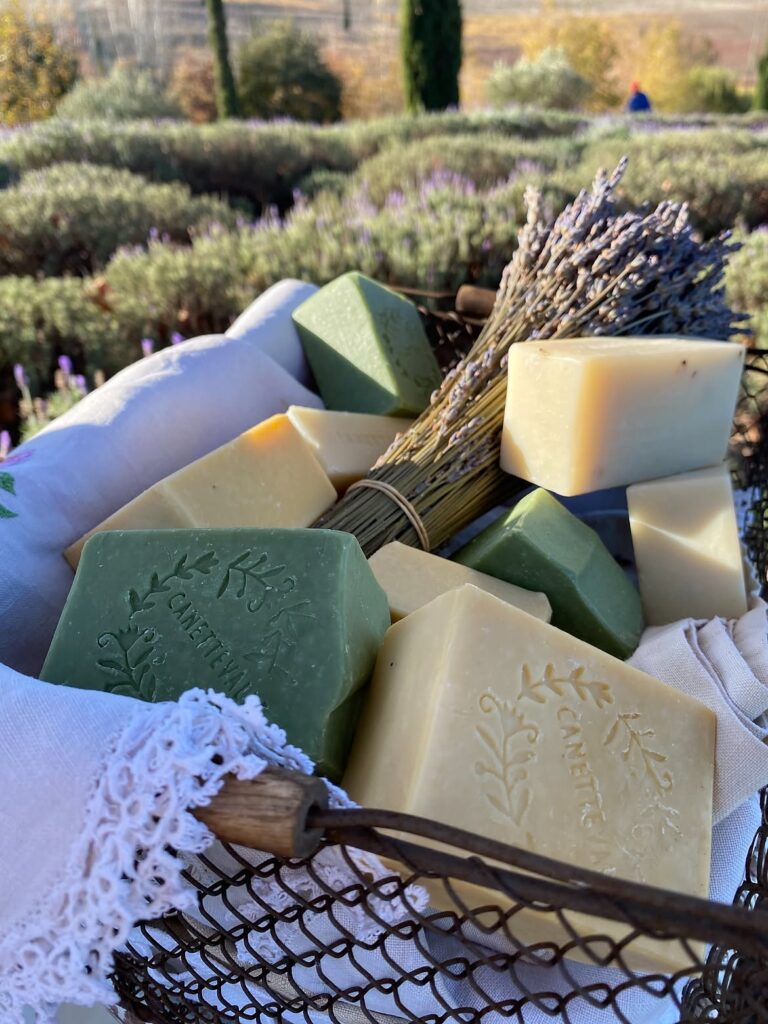
Today, the farm grows lavender using organic practices to develop unique, farm-fresh lavender products for body, gifts and weddings.
Its main products include lavender essential oil and lavender rice, made from the sweet-smelling dried flowers of the lavender plant.
This product focus gives the business multiple ways to use its core agricultural resource. The lavender crop is not presented as a single finished product. Instead, it becomes the foundation for products connected to different uses.
For entrepreneurs, there is a practical lesson here: look carefully at the resources already at the centre of your business and consider how they can support a focused range of offerings.
The objective is not simply to create more products. It is to identify products that remain connected to the core strength of the business.
Let the setting become part of the brand story
Canettevallei’s location in Stellenboschkloof is an important part of its identity. The farm lies in a quiet valley outside Stellenbosch, placing the lavender business within a specific agricultural setting.
That gives the brand a tangible sense of place.
For businesses built around agriculture, food, craft or locally produced goods, location can be an important part of communicating where a product comes from. It can help customers understand the connection between the product and the environment in which it is produced.
The lesson for entrepreneurs is to avoid overlooking details that are already part of the business. The place where a product is made can contribute to its story when it is genuinely relevant.
Use a specialised crop to create a focused identity
Canettevallei’s cultivation of lavandin abrialis gives the business another point of specificity.
The farm extended its lavender planting to three hectares of this hybrid, creating a defined agricultural focus around which its products could be developed.
For entrepreneurs, specificity can be valuable. Instead of trying to appeal to everyone with an unclear offering, a business can build recognition around what it actually produces and knows.
Canettevallei’s identity is closely tied to lavender, from cultivation through to essential oil and dried lavender products.
That connection makes the brand easier to understand.
Build products around real occasions and uses
Canettevallei develops lavender products for body, gifts and weddings. This creates clear contexts in which its products can be used.
The significance for entrepreneurs is that product positioning can begin with practical applications. Rather than describing a product only by what it is, businesses can also communicate the occasions or purposes for which it is intended.
In Canettevallei’s case, the same agricultural foundation supports products associated with personal use, gifting and weddings.
This provides a useful way to think about product opportunities without losing focus: identify different applications while keeping them connected to the central product.
Grow the business without losing its foundation
The Canettevallei story began with lavender planted at home after an experience in Provence. It developed into three hectares of lavender cultivation and a range of farm-fresh products.
That progression highlights one of the most practical lessons for entrepreneurs: growth can build from a clear foundation.
The business did not need to abandon its original idea to develop further. Lavender remained at the centre of the operation, while cultivation expanded and products were developed from the crop.
For aspiring entrepreneurs, Canettevallei demonstrates the value of knowing what makes a business distinctive and building outward from that strength.In the quiet Stellenboschkloof, about 10 kilometres outside Stellenbosch in the Western Cape, Canettevallei brings together two agricultural identities: wine and lavender. Tucked away in the valley, the farm’s lavender story began not with a large commercial plan, but with an idea inspired by travel.
After travelling to France, and specifically Provence, the owners decided in 2005 to plant lavender in front of their home on the farm. What began with that decision eventually became a business. The lavender planting expanded to three hectares of lavandin abrialis, a lavender hybrid described as angustifolia x lavandula latifolia.
The story offers entrepreneurs a useful reminder that business opportunities can develop from decisions rooted in genuine interest. Canettevallei’s journey also shows how a distinctive agricultural product can become the foundation for a focused brand.
Start with an idea that has a clear point of difference
The decision to plant lavender after travelling to Provence gave Canettevallei a specific starting point.
Rather than introducing a product without a clear connection to the farm, the business developed around lavender and its cultivation. The result is a brand with a defined product category and a strong connection to its agricultural setting.
For entrepreneurs, the lesson is to pay attention to ideas that naturally connect personal interests, existing resources and a clear product opportunity.
A business idea does not necessarily have to begin as a large-scale operation. Canettevallei’s story started with lavender planted in front of the owners’ home before developing into three hectares.
That progression illustrates the value of allowing an idea to develop into a business through a tangible product.
Turn agricultural production into a product range
Growing lavender is one part of the Canettevallei story. Developing products from that lavender creates another layer of the business.
Today, the farm grows lavender using organic practices to develop unique, farm-fresh lavender products for body, gifts and weddings.
Its main products include lavender essential oil and lavender rice, made from the sweet-smelling dried flowers of the lavender plant.
This product focus gives the business multiple ways to use its core agricultural resource. The lavender crop is not presented as a single finished product. Instead, it becomes the foundation for products connected to different uses.
For entrepreneurs, there is a practical lesson here: look carefully at the resources already at the centre of your business and consider how they can support a focused range of offerings.
The objective is not simply to create more products. It is to identify products that remain connected to the core strength of the business.
Let the setting become part of the brand story
Canettevallei’s location in Stellenboschkloof is an important part of its identity. The farm lies in a quiet valley outside Stellenbosch, placing the lavender business within a specific agricultural setting.
That gives the brand a tangible sense of place.
For businesses built around agriculture, food, craft or locally produced goods, location can be an important part of communicating where a product comes from. It can help customers understand the connection between the product and the environment in which it is produced.
The lesson for entrepreneurs is to avoid overlooking details that are already part of the business. The place where a product is made can contribute to its story when it is genuinely relevant.
Use a specialised crop to create a focused identity
Canettevallei’s cultivation of lavandin abrialis gives the business another point of specificity.
The farm extended its lavender planting to three hectares of this hybrid, creating a defined agricultural focus around which its products could be developed.
For entrepreneurs, specificity can be valuable. Instead of trying to appeal to everyone with an unclear offering, a business can build recognition around what it actually produces and knows.
Canettevallei’s identity is closely tied to lavender, from cultivation through to essential oil and dried lavender products.
That connection makes the brand easier to understand.

Build products around real occasions and uses
Canettevallei develops lavender products for body, gifts and weddings. This creates clear contexts in which its products can be used.
The significance for entrepreneurs is that product positioning can begin with practical applications. Rather than describing a product only by what it is, businesses can also communicate the occasions or purposes for which it is intended.
In Canettevallei’s case, the same agricultural foundation supports products associated with personal use, gifting and weddings.
This provides a useful way to think about product opportunities without losing focus: identify different applications while keeping them connected to the central product.
Grow the business without losing its foundation
The Canettevallei story began with lavender planted at home after an experience in Provence. It developed into three hectares of lavender cultivation and a range of farm-fresh products.
That progression highlights one of the most practical lessons for entrepreneurs: growth can build from a clear foundation.
The business did not need to abandon its original idea to develop further. Lavender remained at the centre of the operation, while cultivation expanded and products were developed from the crop.
For aspiring entrepreneurs, Canettevallei demonstrates the value of knowing what makes a business distinctive and building outward from that strength.




