
The Ivy Room: Building a Boutique Pilates Brand Around Movement
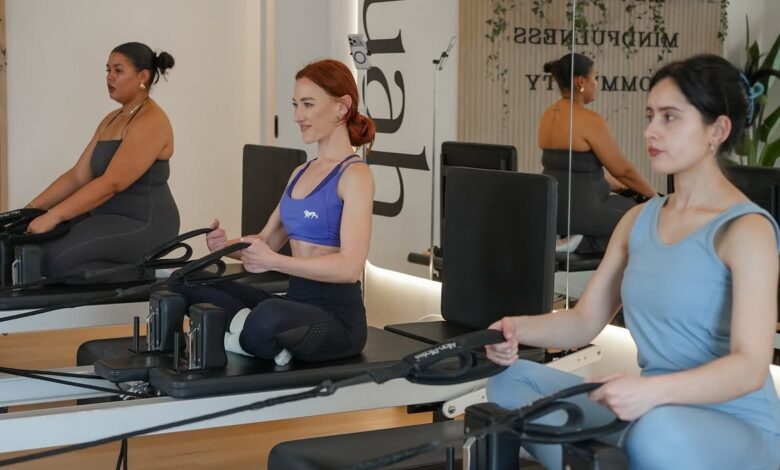
The Ivy Room: Building a Boutique Pilates Brand Around Movement. Walking into a Pilates studio can be about exercise, but The Ivy Room is designed around a broader experience. Located in Sea Point, Cape Town, the boutique Pilates studio draws inspiration from the calm, airy feel of Bali and Japanese design, creating a space centred on light, nature and peace.
That idea sits at the heart of the brand. The Ivy Room wants movement to feel like more than a workout. Its vision is to create a sanctuary where people can move, breathe and reset, while developing a relationship with movement that extends into everyday life.
For entrepreneurs, there is a useful lesson in that approach. A business does not have to compete only through what it sells. The environment, service and philosophy surrounding a product can become equally important parts of its identity.
Build the experience around a clear idea
The Ivy Room has a clearly defined concept: movement in a setting that encourages balance and well-being.
Its inspiration from Bali and Japanese design gives that concept a specific character. The brand describes its space as light, natural and peaceful, creating an environment intended to support the experience of Pilates.
This is an important branding lesson. Entrepreneurs can strengthen their positioning when the physical or digital experience reflects what the business promises.
For The Ivy Room, the idea of calm is not separate from the studio. It is connected to the space itself and to the way the brand describes its approach to movement.
Rather than trying to communicate everything at once, businesses can identify the central feeling or idea they want customers to associate with them and build consistently around it.
Turn a service into a destination
The Ivy Room’s vision is to become a go-to destination for people seeking a sanctuary in Cape Town.
That wording reveals another strategic opportunity: positioning a service as an experience rather than simply a transaction.
Pilates is the core service, but the brand places emphasis on premium instruction, thoughtful design and a beautifully curated space. The combination gives the studio a more complete proposition.
For entrepreneurs, the practical lesson is to examine every part of the customer journey. What happens before someone uses the service? What does the environment communicate? How does the service make the customer feel? What happens afterwards?
These questions can uncover opportunities to make a business more distinctive without changing its core offering.
Personalisation can strengthen customer relationships
The Ivy Room also places a strong emphasis on personalised guidance.
Its stated commitment is to ensure that every client, whether a beginner or experienced, feels seen, guided and encouraged to progress at their own pace.
That approach makes personalisation part of the brand rather than simply a customer service detail.
For entrepreneurs, this provides a practical reminder that customers do not necessarily arrive with identical needs. A business can create a more welcoming experience by recognising different levels of experience and helping people progress according to their individual journeys.
In a fitness setting, that can be particularly important because confidence and familiarity with movement can vary from one person to another.
The broader business lesson is simple: understand where customers are starting from and design the experience accordingly.
Make convenience part of the experience
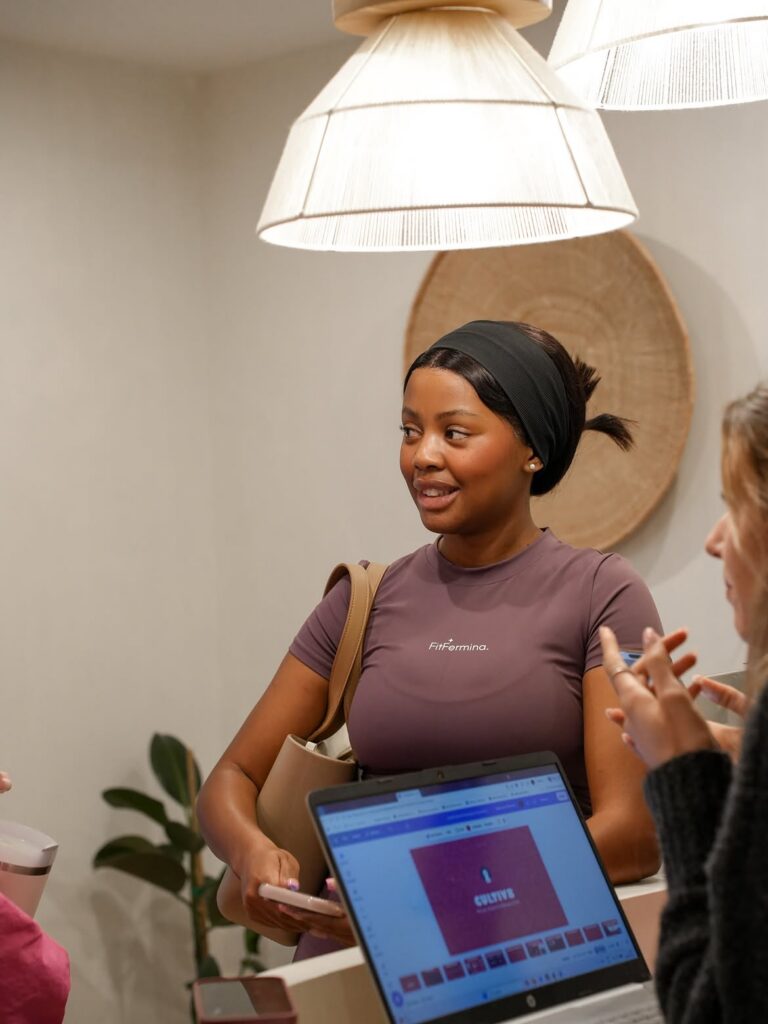
The Ivy Room also identifies accessibility and ease as important parts of its offering. The studio aims to make movement seamless through an effortless booking system and a welcoming environment.
That detail is easy to overlook, but it represents an important part of the customer journey.
A strong service can still create unnecessary friction if customers struggle to book, understand how to participate or feel comfortable when they arrive. By placing emphasis on an effortless booking process, The Ivy Room recognises that the experience begins before the class itself.
Entrepreneurs can apply the same thinking to their own businesses. Look for unnecessary steps, confusing processes or barriers that make it harder for customers to engage.
Sometimes improving the customer experience is not about adding more. It is about removing friction.
Create a community around the product
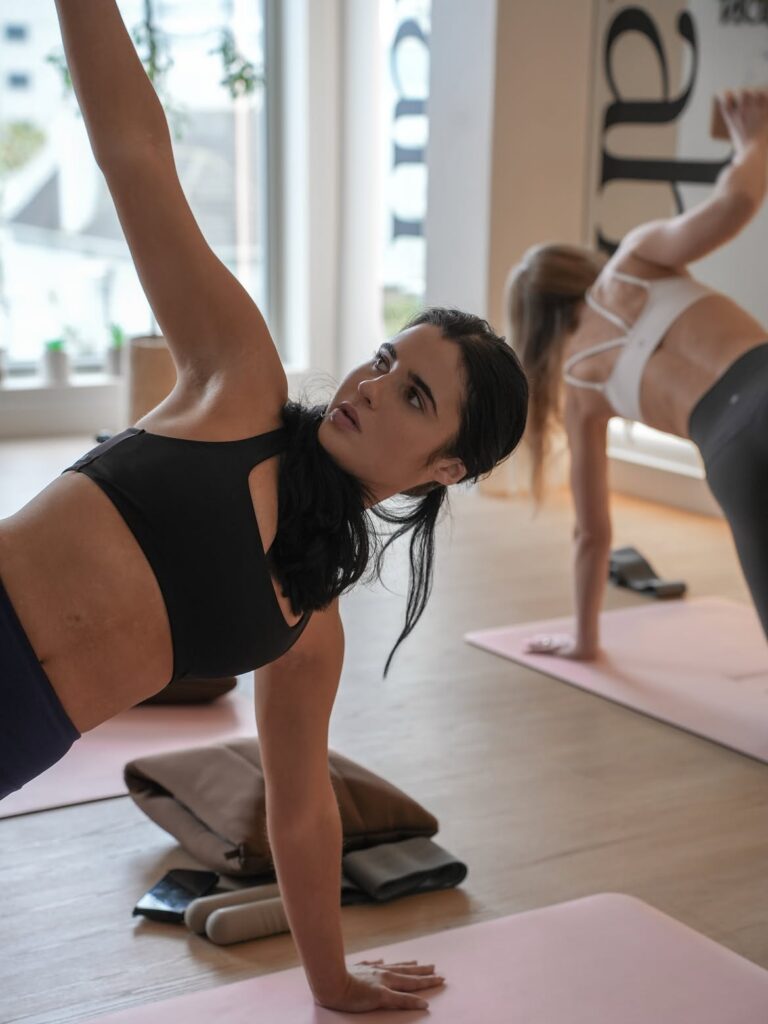
The Ivy Room’s vision extends beyond individual Pilates sessions. It aims to build a community where movement becomes a way of life, surrounded by mindfulness and a natural sense of well-being.
That creates an opportunity for the brand to connect its service to a broader lifestyle philosophy.
For entrepreneurs, this demonstrates the value of understanding what customers are really engaging with. A product or service can be the starting point for a community when people share an interest in the values surrounding it.
The important lesson is to let that community develop from the brand’s genuine purpose rather than forcing a message that does not fit the business.
Make every detail support the same promise
Perhaps the strongest lesson behind The Ivy Room is consistency.
The brand’s design inspiration, personalised approach, premium instruction, booking experience and vision for community all point towards the same central idea: creating an intentional space where people can move, breathe and grow.
For aspiring entrepreneurs, this offers a useful framework for building a distinctive brand. Start with a clear purpose. Identify the experience you want customers to have. Make the environment, service and customer journey reinforce that purpose.




