
Rain: How a South African Skincare Brand Turned Local Craft Into Global Growth
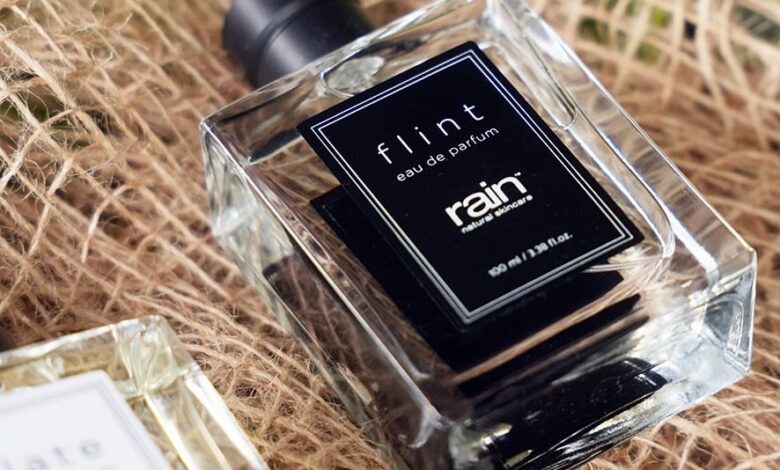
Rain: How a South African Skincare Brand Turned Local Craft Into Global Growth. Rain’s story begins far from the international retail footprint it has today. Its humble beginnings were in Ladybrand, a small rural village on the Free State border between South Africa and Lesotho. From those beginnings, the business developed from a manufacturing wholesaler into a proudly South African international brand with 30 retail stores.
The turning point came in 2005, when Rain opened its first branded store. The concept took off, leading to more stores across South Africa and eventually international locations including Ireland and New York.
Behind that expansion is a business built around natural skincare, African botanicals, handcrafted products and a strong environmental focus. Its journey offers practical lessons for entrepreneurs about creating a distinctive proposition, knowing when to bring in outside expertise and building growth around the strengths already inside a business.
Turn a manufacturing foundation into a customer-facing brand
Rain’s journey did not begin with retail. The company first established itself as a manufacturing wholesaler before opening its first Rain-branded store in 2005.
That move changed how the business presented its products to customers. Instead of remaining solely behind the scenes as a manufacturer, Rain created its own retail identity.
For entrepreneurs, there is a useful lesson here. A business that already produces a product may have an opportunity to develop a stronger relationship with customers by creating a distinctive brand around that product.
The important consideration is whether the customer-facing experience adds something meaningful to the existing business. Rain’s retail concept became the foundation for its expansion into additional stores.
Let a clear product identity drive expansion
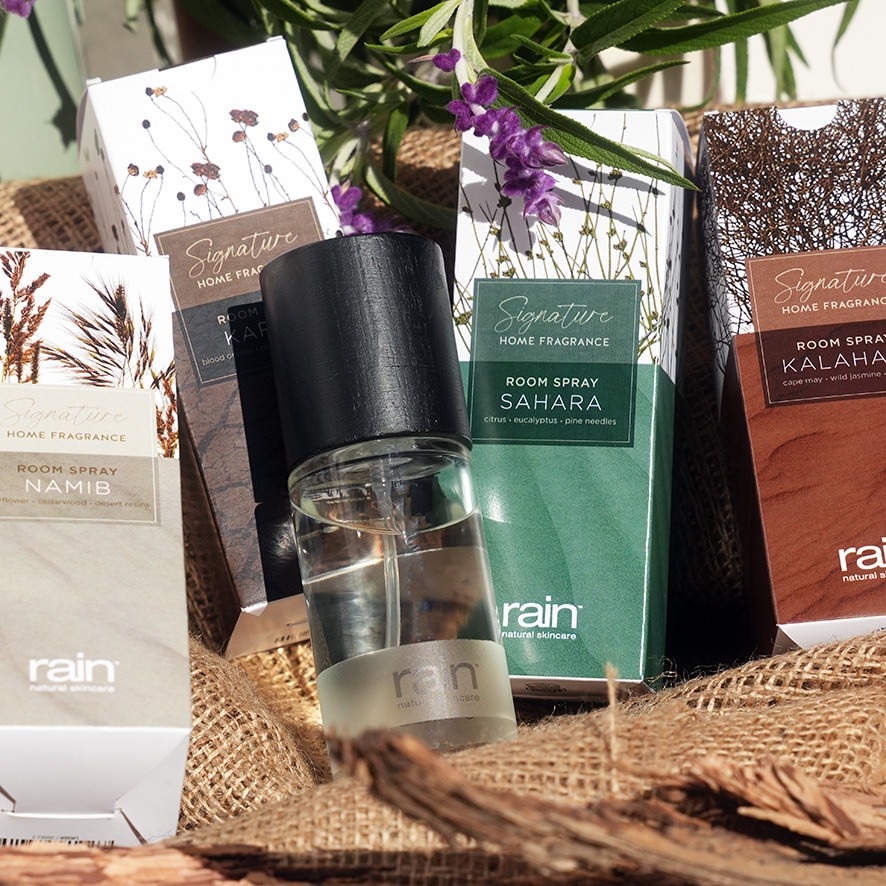
Rain’s skincare proposition is closely connected to natural ingredients and African botanical knowledge.
The brand searches through and infuses what it describes as the rich, ancient pharmacopoeia of tribal Africa into its skincare solutions. Ingredients include baobab, marula, rooibos and mongongo nut, alongside other wild-harvested botanicals and oils.
That gives Rain a specific product identity.
For entrepreneurs, the lesson is to identify the elements that make a product recognisable and build the brand around them. A business does not necessarily need to create a completely new category. It can differentiate itself by developing a clear approach to an existing one.
Rain’s connection to Southern African botanicals provides a foundation that runs through its skincare offering.
Know when growth requires new expertise
One of the most significant developments came when Rain needed resources and expertise to grow beyond six stores.
At that point, the Bosch family came on board as partners and investors, helping the company expand its international profile.
This provides an important lesson about entrepreneurship. Building a business does not always mean keeping every responsibility within the original team.
As a company grows, its needs can change. Additional resources, expertise and investment can provide capabilities that support the next stage of development.
For entrepreneurs, the practical takeaway is to recognise when the requirements of the business have outgrown its existing resources. The right partnership can become a tool for growth while allowing the business to retain its core identity.
Connect production to the story behind the product
Today, Rain’s new green factory is located on the Bosch family’s Dal River farm near Paarl in the Western Cape.
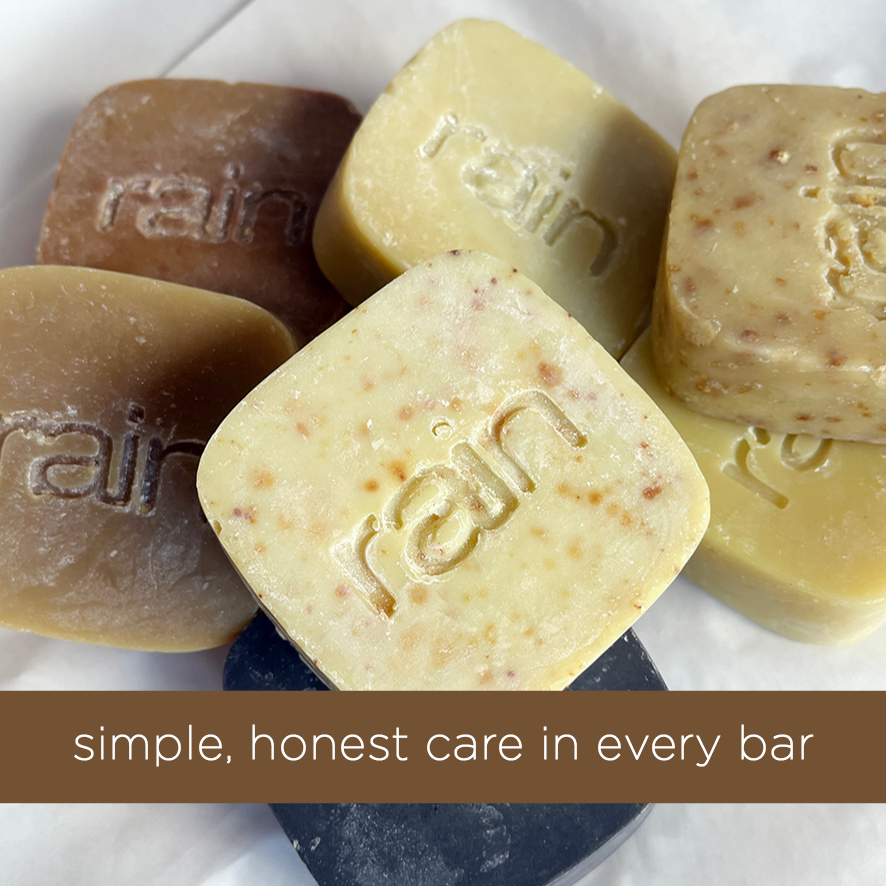
The location also has a direct connection to Rain’s products. Dal River is home to the Olive Factory, which produces extra virgin olive oil on the farm. That olive oil is the main ingredient in Rain’s handmade olive oil skincare and beauty products.
This creates a direct link between agricultural production and manufacturing.
For entrepreneurs, this illustrates the value of understanding where key ingredients come from and how different parts of a supply chain can connect. When those connections are genuine, they can become part of a brand’s story and operating model.
Make sustainability part of operations
Rain’s environmental approach extends into its manufacturing processes.
Before products reach the shelves, they are tested for efficacy and safety, as well as their environmental footprint. The company says its energy-efficient, solar-powered production processes are designed to maintain a low carbon footprint, while the factory creates no harmful effluent.
Rain also uses treated groundwater in the factory and recycles factory wastewater to irrigate its olive trees.
These practices demonstrate a practical approach to sustainability. Rather than treating environmental responsibility solely as marketing language, the brand incorporates it into production and resource use.
For entrepreneurs, the lesson is to identify where sustainability can become part of everyday operations. Recycling, reducing waste and reusing resources can be considered alongside product development rather than added afterwards.

Build a supply chain around local participation
Rain also supports small local suppliers and producers by sourcing natural ingredients from people who sustainably wild harvest them in remote areas of Southern Africa.
Its products and gift packaging are handmade by trained crafters.
That approach creates another layer of differentiation. The brand is not only communicating a South African identity through its ingredients. It is also connecting parts of its supply chain to local suppliers, producers and craftspeople.
For entrepreneurs, this shows how sourcing decisions can influence a brand’s identity. Where materials come from and who helps create the finished product can become meaningful parts of the business model when they are genuinely connected to the company’s operations.
Make consistency part of handcrafted production
Rain celebrates nature’s uniqueness through distinctive handcrafted designs while maintaining the same benefit and quality across its products.
That balance is important.
Handcrafted products can communicate individuality, but customers still expect consistency in the experience and quality of what they purchase.
For entrepreneurs, this presents a useful challenge to consider: how can a business preserve the character of handmade products while maintaining reliable standards?
Rain’s stated approach is to combine handcrafted design with consistent quality, creating a product proposition that brings together natural variation and repeatable standards.
Build internationally without losing the original identity
Rain’s journey from Ladybrand to an international retail brand demonstrates the value of retaining a clear identity while expanding its reach.
The company now has 30 retail stores, including locations in South Africa, Ireland and New York. Its products are also available online, with products described as compliant with EU and US requirements.
Yet the core proposition remains connected to its origins: natural skincare, Southern African botanicals, handcrafted production and an emphasis on sustainability.
For aspiring entrepreneurs, that may be the most important lesson behind Rain. Expansion does not have to mean abandoning what made the business distinctive in the first place.




