When Fashion Becomes Art: The Creative Philosophy Behind Jenni Button’s Brand

When Fashion Becomes Art: The Creative Philosophy Behind Jenni Button’s Brand. In a world where fashion can easily become crowded with competing ideas, Philosophy takes a different approach. The brand is built around the belief that true style lies in simplicity, while using fashion, art and modern sophistication to create a distinctive expression for women.
Created by celebrated Cape Town designer Jenni Button, Philosophy is designed for women who appreciate style, individuality and refined expression. Its collections combine an international sensibility with a distinctly South African production story, creating a brand where design and craftsmanship are closely connected.
The journey behind Philosophy offers valuable lessons for entrepreneurs about developing a recognisable identity, protecting creative standards and turning a product into an expression of something bigger.
Build a Brand Around a Clear Point of View
Philosophy does not attempt to define itself simply through clothing. Its identity is built around a particular perspective on style.
The brand speaks to the discerning woman who values individuality and wants to dress with confidence and creativity. That positioning gives the collections a clear audience and helps shape the design language behind them.
For entrepreneurs, this demonstrates the importance of knowing what a brand stands for. A business becomes easier to understand when its products consistently reflect a specific point of view.
Philosophy’s focus on simplicity, refined expression and modern sophistication provides a foundation that extends beyond individual garments.
Let the Designer’s Vision Shape the Product
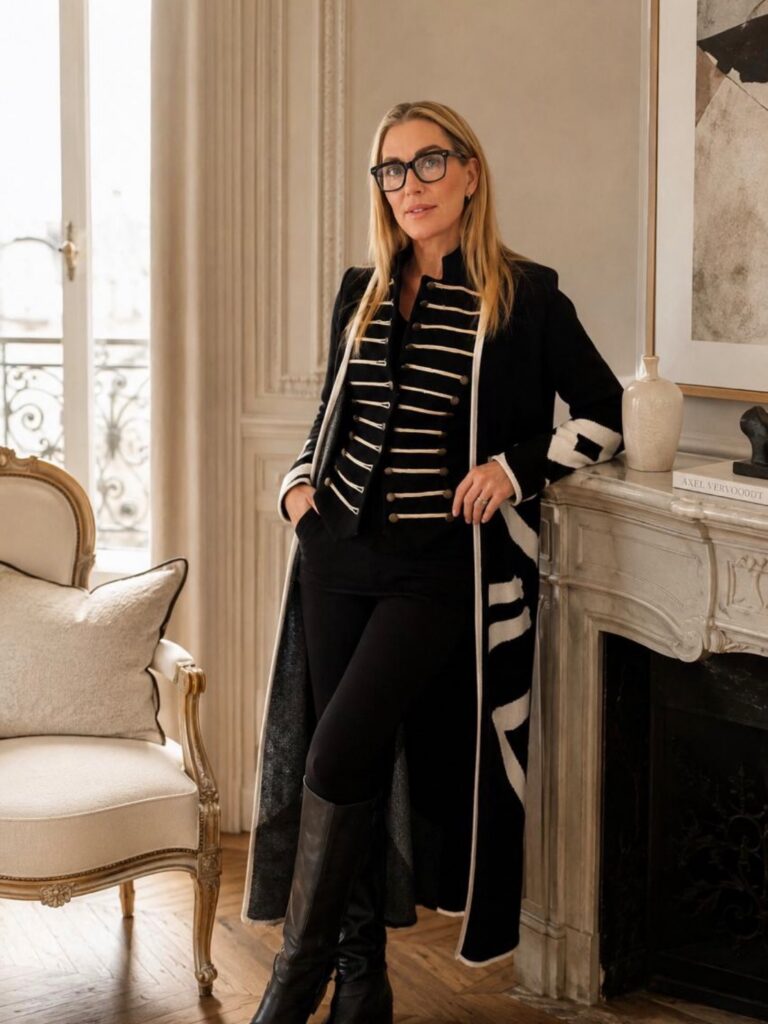
Jenni Button’s influence is central to Philosophy. Her keen eye for detail and skills as a designer form part of the brand’s creative process, but the collections are not created by one person working in isolation.
Every collection is designed, perfected, patterned, cut and sewn in-house. The production process brings together Jenni’s design skills with the expertise of pattern makers, printers, seamstresses and the sales team.
This collaborative structure offers an important lesson for entrepreneurs. A strong creative vision can become more powerful when supported by people with complementary skills.
Instead of separating design from production, Philosophy connects the stages. The result is a process where the people involved contribute to bringing the original idea into its finished form.
Turn Production Into Part of the Brand Story
Every Philosophy collection is manufactured in Cape Town and carries a South African label.
That detail is more than a production fact. It forms part of the brand’s identity and connects its international design sensibility with local craftsmanship.
For entrepreneurs, this shows how operational decisions can become part of brand communication. Where and how a product is made can help explain what the business values.
Philosophy’s in-house approach also creates a direct connection between its design process and manufacturing. The journey from concept through pattern making, cutting and sewing happens within the brand’s own production environment.
Make Design Recognisable
One of Philosophy’s strongest creative characteristics is its use of print and colour.
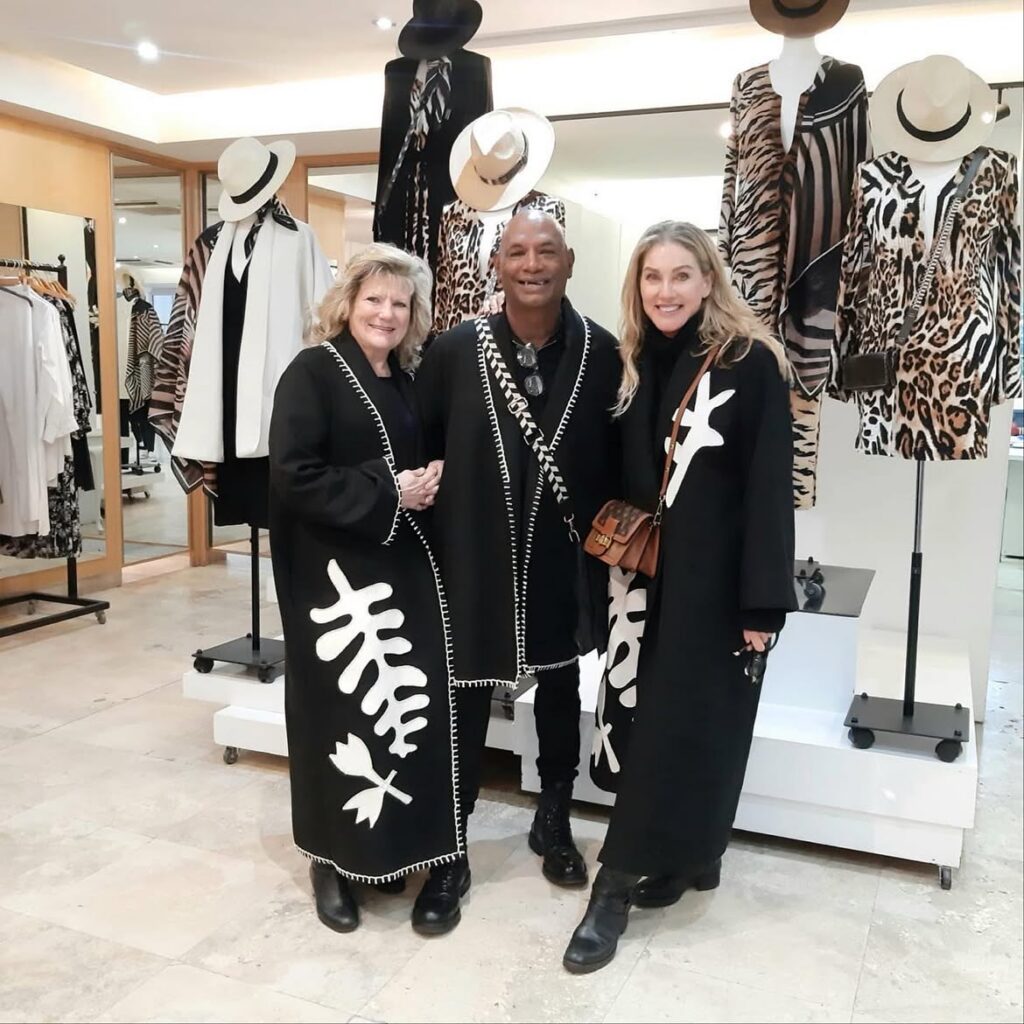
The brand’s wearable works of art are described as print recognizable and streamlined to the female form. Its use of juxtaposed prints and vibrant colour creates a distinctive visual language.
This is an important lesson for fashion entrepreneurs. Recognition can come from consistency. When customers can associate a particular approach to print, colour, silhouette or styling with a brand, design itself becomes part of its identity.
Philosophy does not treat prints simply as decoration. They are integrated into the way the clothing is intended to make the wearer feel.
Connect Product With Emotion
The brand’s philosophy extends beyond the physical garment. Philosophy presents fashion as a way for women to embrace confidence and personal power.
Its message encourages women to own their style and allow their inner strength to shine.
That emotional dimension gives the product another layer. The clothing is not positioned only around what it looks like, but around the experience of wearing it.
Entrepreneurs can learn from this by considering the emotional outcome their products are intended to create. A product may solve a practical problem, but the strongest brand stories can also communicate how customers want to feel.

The Lesson Behind Philosophy Design
Philosophy Design demonstrates how a fashion brand can create distinction by connecting a clear creative philosophy with disciplined production.
Its story brings together Jenni Button’s design vision, collaborative in-house craftsmanship, Cape Town manufacturing, recognisable prints and vibrant colour, while maintaining a focus on confidence and individuality.
For aspiring entrepreneurs, the lessons are practical. Establish a clear point of view, make your design principles consistent, surround creative vision with complementary skills and let genuine production strengths become part of the story.