How Wicker & Wit Turned a Simple Basket Bag Into a Distinctive Brand
How Wicker & Wit Turned a Simple Basket Bag Into a Distinctive Brand. Wicker & Wit did not begin with an extensive product range or a complicated business concept. It started with one simple idea: creating a basket bag that felt bold, colourful and completely different from everything available at the time.
Erin, the founder of Wicker & Wit, had a clear personal preference for colourful accessories and beautifully styled details. Rather than simply searching for the bag she wanted, she created one herself.
That decision became the first important turning point in the Wicker & Wit story. The brand began by solving a personal need, but the response from people around Erin revealed that the idea could resonate beyond her own wardrobe. Friends started asking where they could buy their own bags.
For entrepreneurs, there is a useful lesson in that moment. A business idea does not always have to begin with an elaborate strategy. Sometimes, it starts by identifying something you genuinely want but cannot find, then creating a version that reflects your own perspective.
Turning Personal Taste Into a Brand Identity
The next lesson from Wicker & Wit is the importance of having a recognisable point of view.
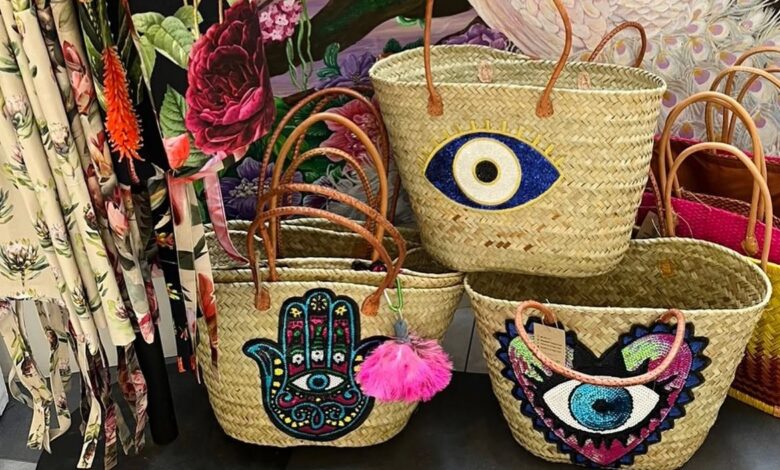
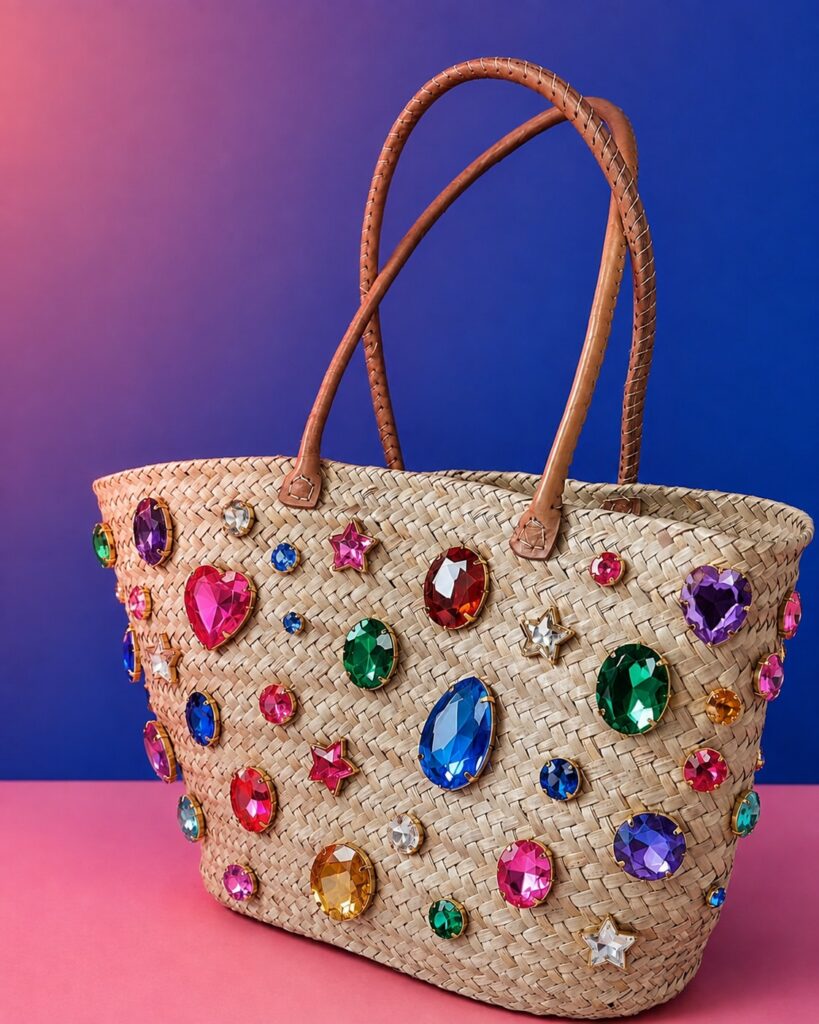
The original basket bag was not created simply to be another accessory. Erin wanted something bold, colourful and different. Those qualities became closely connected to the identity of the brand as the personal project developed into a collection.
Today, Wicker & Wit describes itself as being about more than beautiful basket bags. Its focus is on celebrating individuality through colourful accessories and playful pieces designed to bring colour, confidence and personality into everyday life.
That gives the brand a clear creative direction. Colour, individuality and playfulness are not isolated product details. They help communicate what customers can expect from Wicker & Wit.
For an emerging entrepreneur, this is a practical reminder that brand identity can be built through consistent choices. A distinctive product can become more memorable when its visual character and purpose remain connected.
Making the Everyday More Expressive
One of Wicker & Wit’s strengths is its approach to ordinary accessories. The brand takes something familiar, such as a basket bag, and uses colour and styling to make it feel more expressive.
This connects directly to Erin’s own inspiration. She says she has always loved colour, beautiful accessories and the small details that make people stop and ask where something came from.
That observation is important because it shows how personal taste can become part of a wider customer experience. The goal is not simply to offer an accessory, but to create pieces that people notice and enjoy wearing.
The lesson for entrepreneurs is to look closely at the emotional or visual qualities surrounding a product. What makes someone remember it? What makes them want to talk about it? What makes it feel different from the alternatives?
Building Recognition Through Consistency
As Wicker & Wit developed, its original idea expanded into a collection designed to bring colour, confidence and personality into everyday life.
The brand also reaches customers through different settings. Its pieces can be styled personally or discovered in a favourite boutique. That creates opportunities for the products to become part of different shopping and styling experiences without changing the core identity of the brand.
The important takeaway is consistency. Expansion does not necessarily mean abandoning what made an idea distinctive in the first place. Wicker & Wit continues to centre its identity around colourful accessories, playful pieces and individuality.
For a growing brand, protecting that central idea can help ensure that new products still feel connected to the reason the business exists.

The Power of Making Something Unforgettable
At the heart of Wicker & Wit is a straightforward philosophy: take something simple and transform it into something unforgettable.
That idea captures one of the most useful lessons from the brand’s journey. Entrepreneurs do not always need to invent an entirely new category to create something distinctive. They can also rethink familiar products through design, colour, personality and presentation.
Wicker & Wit started when Erin created the basket bag she wanted to find. Friends then began asking where they could get their own, turning a personal project into a broader collection.
The journey shows how a strong personal perspective can become a business foundation. By staying connected to colour, individuality and playful design, Wicker & Wit has created an identity that goes beyond the product itself.
For aspiring entrepreneurs, the practical lesson is clear: start with a real idea, give it a distinctive personality and pay attention when people respond to what you create. Sometimes, the simplest starting point can become the foundation for a brand people remember.