
Nix Nax: How Nicole Turns Colourful Fabrics Into One-of-a-Kind Handmade Accessories
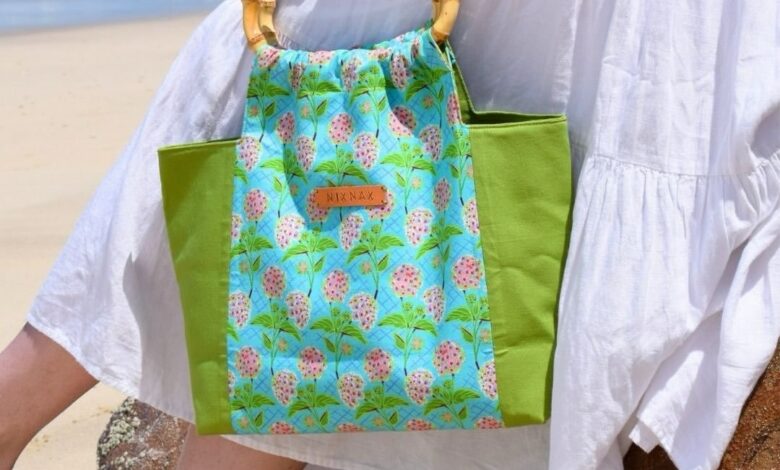
Nix Nax: How Nicole Turns Colourful Fabrics Into One-of-a-Kind Handmade Accessories. Sometimes, a business begins with a product idea. For Nicole, the creative behind Nix Nax, it began with beautiful quilting fabrics discovered in a small fabric shop while travelling. Drawn to their colours and patterns, Nicole began making simple tote-style bags, creating only one bag from each fabric design. What started as a creative experiment grew into something more, eventually finding its expression in Nix Nax, a South African studio-led brand producing handmade bags, original artwork and thoughtful accessories.
The idea behind the business reflects Nicole’s appreciation for colour, pattern, texture and form. Each piece is designed to bring warmth and individuality to everyday life while remaining practical enough to be used.
Today, Nix Nax operates around a clear creative philosophy: make things slowly, work thoughtfully with natural materials and allow each fabric to influence the finished product.
The brand’s approach offers valuable insights for aspiring entrepreneurs. Its story demonstrates how an existing creative skill can develop into a business, why product individuality can become part of a brand’s identity and how thoughtful material use can influence the way a business operates.
Let Your Creative Background Shape Your Business
Nicole’s creative journey began long before Nix Nax took shape. Her professional experience includes graphic design and pastry work, while her personal interests have extended to pottery, printmaking, painting, illustration and garden design.
These experiences reflect a longstanding interest in making things and exploring different forms of creativity.
Sewing became her most recent pursuit after she encountered the quilting fabrics that inspired her first bags. Rather than treating this interest as an isolated hobby, Nicole developed it into a practice that now defines Nix Nax.
This progression offers a practical lesson for entrepreneurs: existing interests and skills can provide a foundation for a business, particularly when they can be translated into products people can use.
A background in graphic design, for example, involves working with colour, pattern and composition. These interests also appear in Nicole’s approach to selecting fabrics and designing bags.
Although the available information does not establish that her previous professions directly determined the brand’s commercial development, her varied creative experience forms part of the story behind her work.
Aspiring entrepreneurs can apply this principle by examining the skills they have developed over time. Sometimes, the starting point for a business lies in combining existing abilities with a new interest rather than pursuing an entirely unfamiliar field.
The important step is to identify what can be turned into a coherent offering and develop it with care.
Make Individuality Part of the Product Strategy
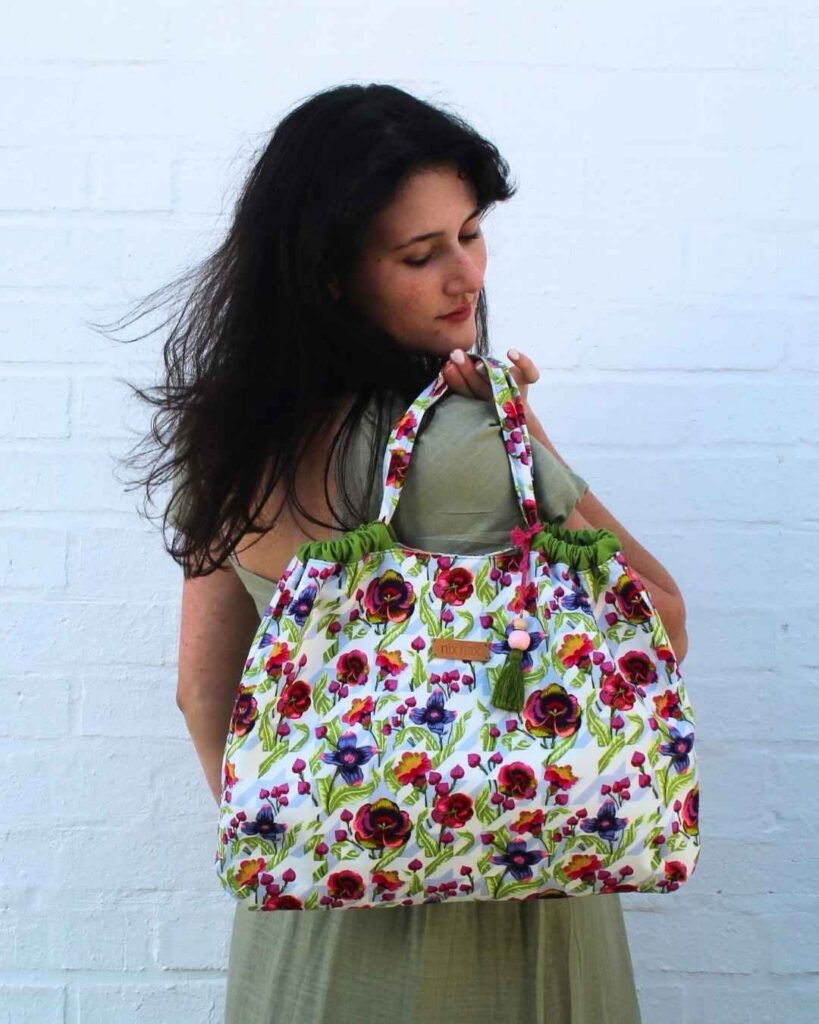
One of Nix Nax’s defining characteristics is its commitment to one-of-a-kind products. Every bag and artwork is made only once. When a piece is sold, that particular design is not reproduced.
This approach emerged from Nicole’s initial response to the quilting fabrics she discovered. She began making one bag from each fabric design as a way of honouring the material.
That decision has become part of the brand’s identity.
Rather than treating fabrics as interchangeable inputs, Nix Nax recognises that each material has its own colours, patterns and character. Nicole enjoys finding a shape and purpose that suit the fabric, allowing the material to influence the final creation.
For entrepreneurs, this illustrates how a product’s defining characteristic can become a central part of its positioning.
A business does not always need to produce large quantities of identical items. Depending on its audience and production capabilities, it may instead focus on individuality, small batches or distinctive materials.
However, a one-of-a-kind approach also requires clear communication. Customers need to understand that each item is unique and that an identical replacement may not be available.
Nix Nax makes this principle explicit: every bag and artwork is created once.
The broader lesson is to identify what genuinely distinguishes a product and make that characteristic central to the customer experience.
Balance Practicality With Creative Expression
Nix Nax creates bags, original artwork and accessories intended to bring colour and beauty into everyday life. Its products combine creative expression with practical usefulness.
This balance is central to Nicole’s stated approach. She describes finding joy in making useful objects that introduce a small moment of beauty into daily routines.
For a creative business, that combination provides a clear way to think about product development.
A bag may feature distinctive fabric, but it also needs to serve its intended purpose. An attractive design becomes more useful when its form and function work together.
Nicole’s process reflects this relationship. She selects fabrics for their beauty, quality and character, then considers which shapes and purposes suit them.
Entrepreneurs can apply the same thinking by asking two questions about each product: what makes it distinctive, and what practical need does it meet?
Answering both can help prevent creative decisions from becoming disconnected from the customer.
The lesson is not to compromise artistic expression for functionality. Instead, it is to find ways for the two to strengthen one another.
Use Natural Materials and Reduce Waste Where Possible
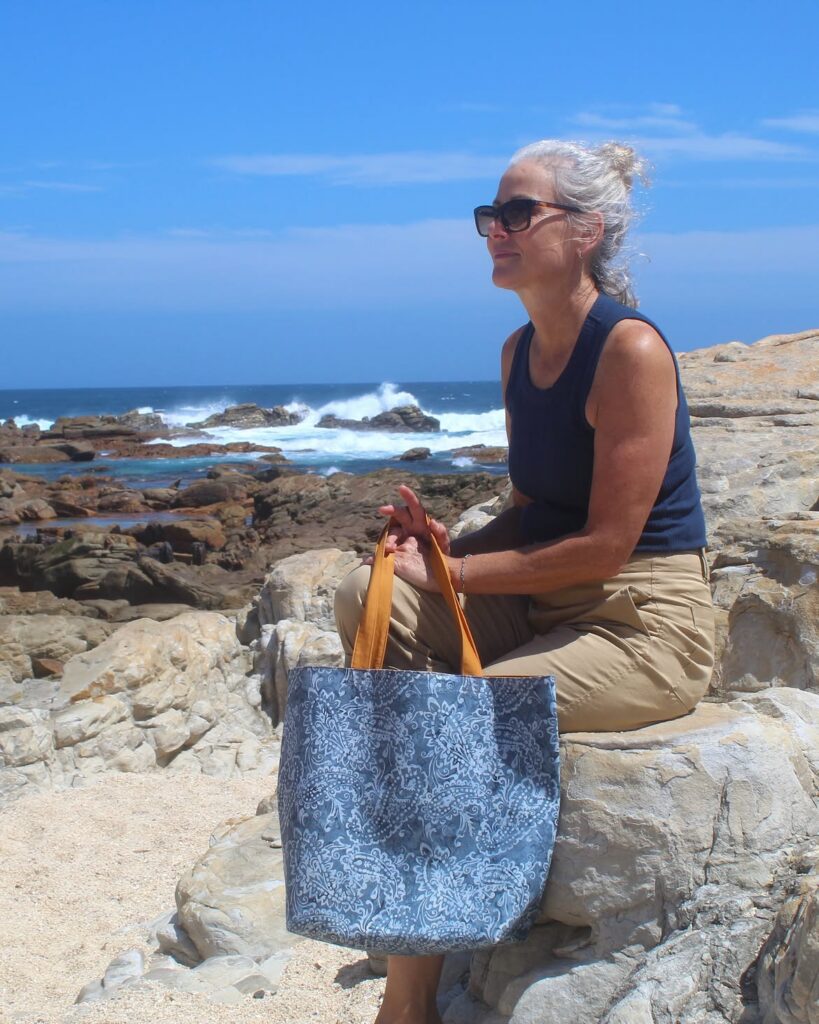
Nix Nax places an emphasis on carefully sourced natural materials, small-batch fabrics and thoughtful production. Its approach also includes using offcuts to make smaller pieces where possible.
This is a practical detail that reveals how the brand considers material use beyond the main product.
When bags are cut from fabric, leftover pieces may remain. Nix Nax looks for opportunities to use these offcuts rather than automatically treating them as waste.
For a small handmade business, this offers a useful lesson in resource management. Materials represent both a creative input and a business expense, making it worthwhile to consider how they can be used efficiently.
Entrepreneurs working with fabric, wood, paper or other materials can examine their production processes to identify usable leftovers.
The right approach will depend on the material and the products being made. Not every offcut will be suitable for another item, and the information provided does not quantify how much waste Nix Nax prevents.
Nevertheless, the principle is clear: thoughtful production includes considering what happens to materials that remain after the main product has been made.
Nix Nax also identifies ethical sourcing and artisanal quality as priorities. These commitments form part of its brand philosophy and help communicate the considerations behind its products.
Keep the Making Process Close to the Brand
Every Nix Nax piece is designed, drawn, cut, sewn and finished by Nicole in South Africa.
This hands-on process is central to the brand’s identity. Production is not presented as a separate activity detached from the creative vision. The same person who develops the design also works through the practical steps required to complete the product.
For customers, this offers a clear understanding of how the pieces are made.
For entrepreneurs, it highlights the importance of knowing the production process and being able to explain it accurately.
A handmade business needs to consider the time, skills and materials required for each item. Unlike mass production, creating every piece individually places direct demands on the maker’s time.
Understanding these demands can help founders make more informed decisions about pricing, workload and production capacity.
The available information does not provide Nix Nax’s prices, production volumes or expansion plans, so no conclusions can be drawn about those aspects of its operation.
The practical lesson is to build a business model around the reality of how products are made. When a brand promises careful, handmade production, its processes need to support that promise.
What Entrepreneurs Can Learn From Nix Nax
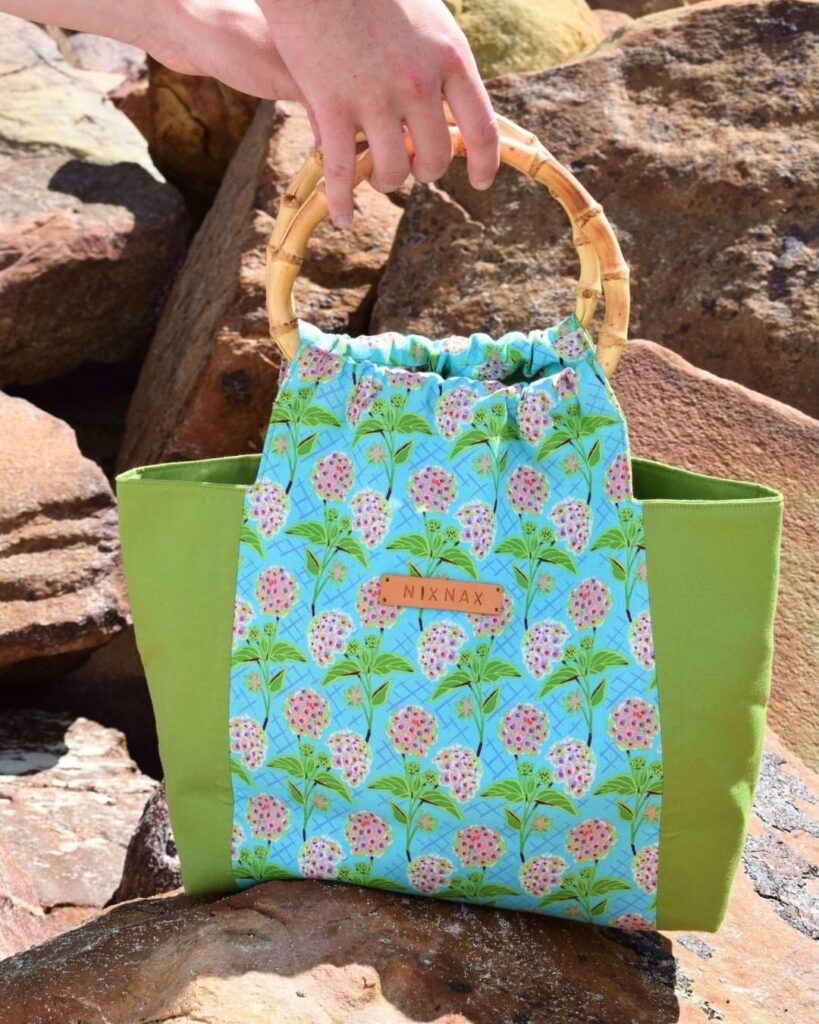
Nix Nax grew from Nicole’s discovery of colourful quilting fabrics into a studio-led South African brand producing one-of-a-kind bags, original artwork and accessories.
Its identity is shaped by her creative background, an appreciation for distinctive materials and a commitment to making each piece by hand.
For aspiring entrepreneurs, the story offers several practical takeaways. Existing skills can provide a foundation for a new venture. Individuality can become a defining product characteristic. Creative design can work alongside everyday usefulness, while thoughtful material choices can inform a more considered production process.
The brand also demonstrates the importance of aligning the way products are made with the values communicated to customers.
Nix Nax’s approach is particularly clear in its decision to make each bag and artwork only once, its use of fabric offcuts for smaller pieces where possible and its hands-on production process.
These details do not establish commercial success or guarantee future growth, but they show how a small creative business can develop a recognisable identity through deliberate choices.




