
NOSSO Is Bringing Brazilian Colour and Craftsmanship Into South African Homes
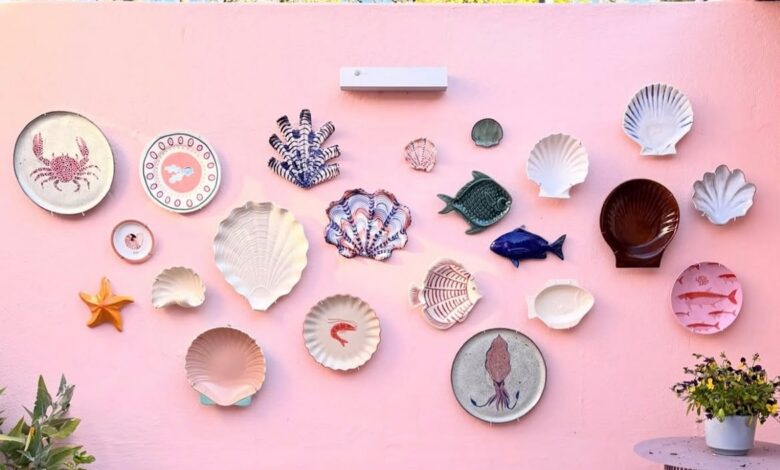
NOSSO Is Bringing Brazilian Colour and Craftsmanship Into South African Homes. In a world of muted interiors and restrained colour palettes, Julia Franco saw an opportunity to introduce something different into South African homes. Through NOSSO, she curates art and décor from Brazil, bringing together vibrant colours, traditional craftsmanship and pieces that carry stories beyond their appearance.
The brand reflects Franco’s belief that South Africa’s vibrant spirit deserves interiors that embrace warmth and colour. Observing the shift towards muted tones in global design, she developed a different vision for the spaces people inhabit.
“NOSSO is my way of protesting the fading of colors. South Africa deserves the richness and warmth that these Brazilian pieces bring,” she explains.
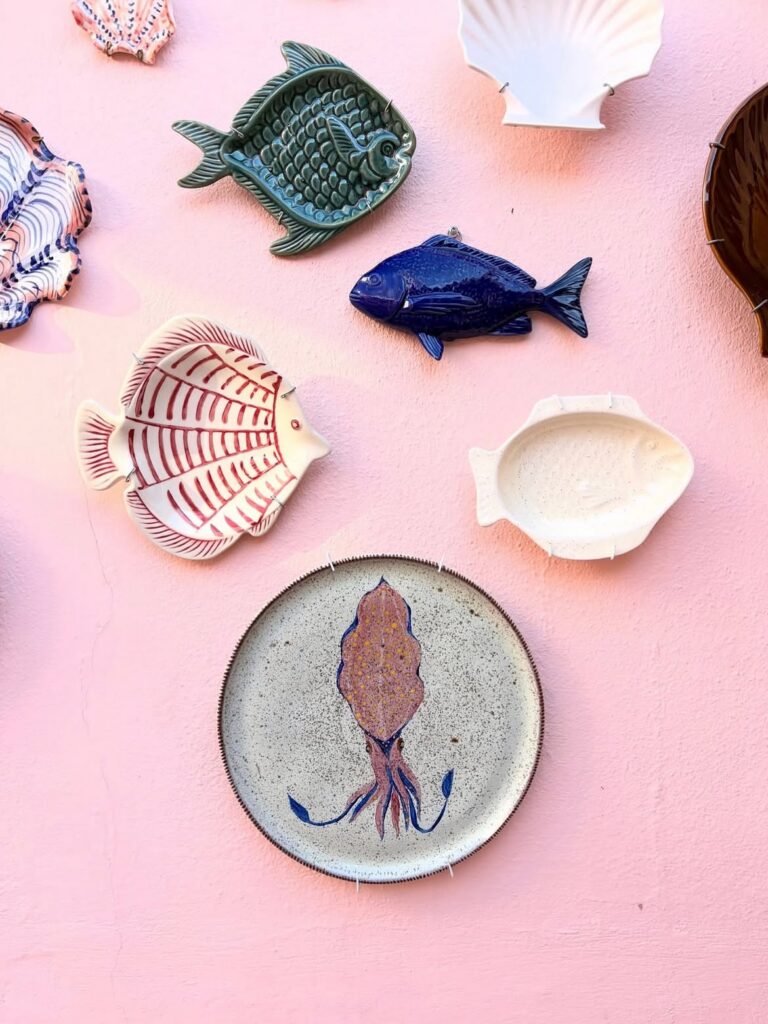
That perspective gives NOSSO a clear identity. Its collection includes intricate woodwork, expressive tapestries and colourful ceramics, showcasing the creativity of Brazilian artisans.
Rather than positioning itself simply as a retailer of decorative objects, NOSSO aspires to offer pieces that help people create distinctive homes. Its philosophy centres on the idea that the objects surrounding us can communicate something about our tastes, experiences and identities.
For entrepreneurs, the brand offers an interesting case study in identifying a market opportunity, developing a distinctive point of view and using product curation to communicate a business’s identity.
Finding an Opportunity in a Different Design Perspective
NOSSO’s starting point is a contrast between the muted tones Franco observed in global design and the vibrant aesthetic she wanted to bring into South African interiors.
This distinction is central to understanding the brand. Rather than simply following the design direction she observed, Franco chose to champion colour, warmth and expressive craftsmanship through Brazilian art and décor.
For entrepreneurs, this illustrates the value of examining established trends without automatically accepting them as the only direction a market can take.
A business opportunity can emerge when a founder identifies an alternative perspective that speaks to a particular audience. The important question is whether the proposed offering provides customers with something they genuinely want.
In NOSSO’s case, the brand’s answer is a collection of colourful, handcrafted objects sourced from Brazil.
The available information does not establish whether South African consumers broadly prefer muted interiors or whether demand for colourful décor has increased. The opportunity should therefore be understood through Franco’s stated vision rather than an assumption about the entire market.
The practical lesson is to develop a clear position based on what a business wants to offer. Entrepreneurs can study their industries, identify the direction they want to take and explain why their approach differs from other available options.
A distinctive perspective gives a brand something specific to communicate.
Using Product Curation to Create a Recognisable Identity
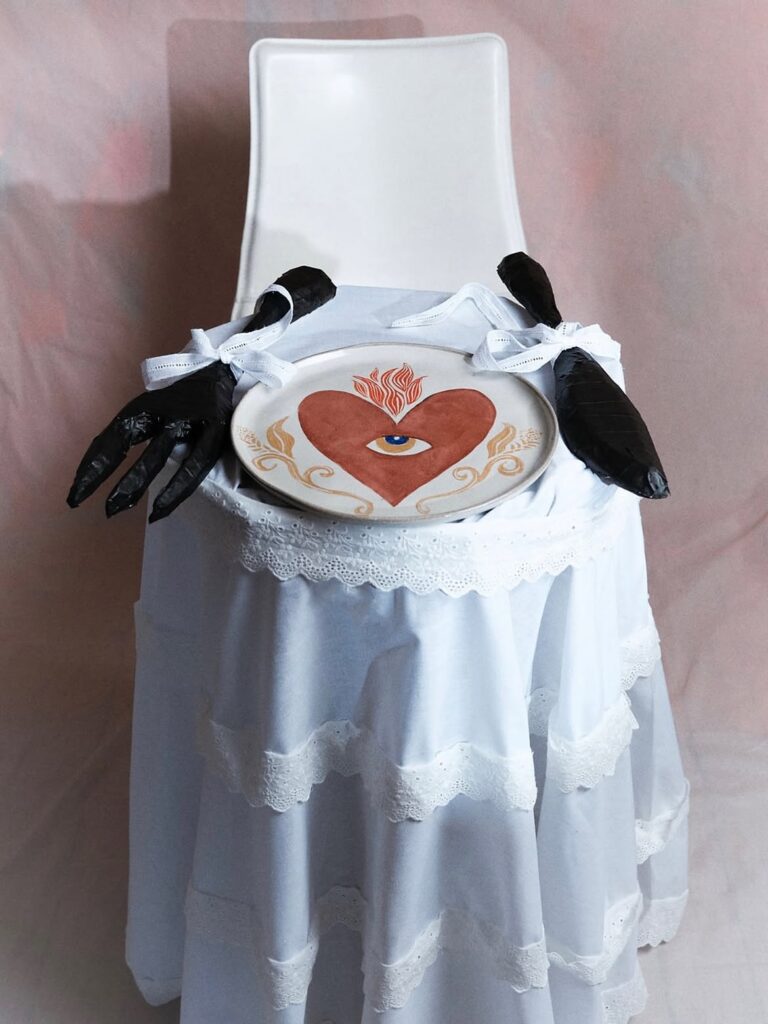
NOSSO brings together a range of Brazilian art and décor, including intricate woodwork, tapestries and vibrant ceramics.
These products share a common thread: they reflect the craftsmanship and creativity of Brazilian artisans while supporting the brand’s emphasis on colour.
This makes curation an important part of NOSSO’s identity. The business is not described simply as a seller of unrelated decorative products. Its collection is assembled around a particular aesthetic and an appreciation for the people who create the pieces.
For entrepreneurs, this highlights the importance of making deliberate choices about what a business offers.
A large product selection does not automatically create a distinctive brand. Customers also need a reason to understand how the products relate to one another and what makes the overall collection worth exploring.
Curation can help establish that connection. By selecting products that support a clear vision, a business can create a more coherent offering.
For retailers, the process involves considering the relationship between individual products, the audience they serve and the identity the business wants to communicate.
NOSSO’s focus on Brazilian craftsmanship and expressive décor provides a defined framework for its selection.
The broader lesson is that product decisions can become part of a brand’s storytelling. What a business chooses to sell can communicate its values as clearly as its marketing.
Making the Artisan Part of the Story
The people behind the products are central to NOSSO’s positioning. The brand describes its collection as a celebration of talented Brazilian artisans whose craftsmanship and creativity are reflected in the finished pieces.
This emphasis gives the collection a human dimension. The objects are presented not only as decorative additions to a home but also as expressions of the people who made them.
For entrepreneurs, this demonstrates how explaining the origins of a product can provide customers with a deeper understanding of what they are buying.
In a retail environment, a product’s materials, design and appearance are important considerations. Information about its maker and creative background can add another layer of meaning.
However, effective storytelling requires accuracy. Businesses should communicate what they know about the creators and their work rather than inventing histories or making unsupported claims about production methods.
NOSSO’s stated appreciation for Brazilian artisans provides a starting point for that communication.
For other businesses, the lesson is to identify the genuine stories connected to their products and share them in ways that help customers understand the people, skills or creative ideas involved.
Creating Homes That Reflect Individual Stories
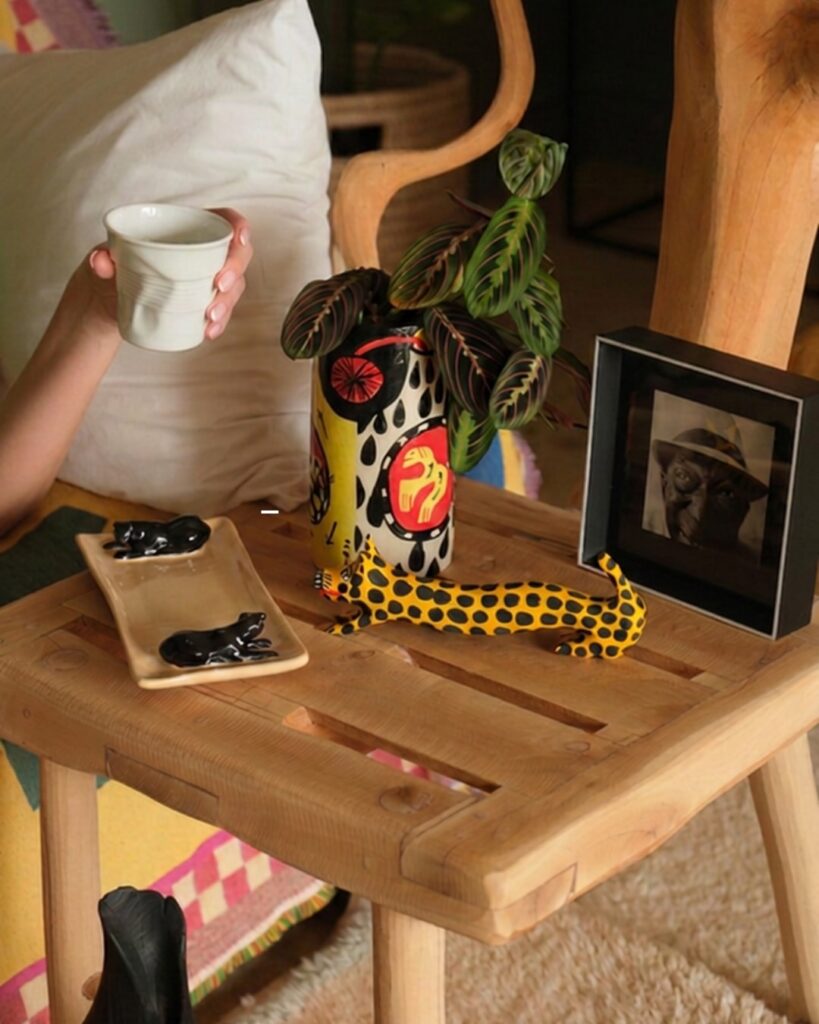
NOSSO’s ambition extends beyond selling art and décor. Franco describes it as a place where people can discover treasures that make their homes unique and tell a story.
“NOSSO is where people find treasures that make their homes unique, that tell a story,” she says.
This statement captures an important part of the brand’s philosophy: the objects people choose for their homes can be connected to personal identity.
Rather than presenting décor solely as a way to follow a particular interior design trend, NOSSO emphasises the possibility of finding pieces that feel individual and meaningful.
For entrepreneurs, this offers a useful lesson in understanding the wider purpose a product can serve.
A decorative object may furnish a room, but customers may also value its colour, craftsmanship or connection to a particular place. Understanding these different considerations can help a business explain its offering more effectively.
This does not mean every customer will attach the same meaning to a product. Instead, the brand creates space for individuals to interpret the objects according to their own tastes and experiences.
Businesses can apply this principle by considering how their products fit into customers’ lives and what makes the experience of owning them distinctive.
The strongest messaging connects the product’s practical function with the qualities that make it personally relevant.
Building a Brand Around a Consistent Point of View
NOSSO brings together several connected ideas: Brazilian craftsmanship, colourful design, artistic expression and the belief that homes should reflect the people who inhabit them.
These elements reinforce one another. The products support the brand’s aesthetic, the artisans provide a connection to the work behind the collection, and Franco’s perspective explains why she wants to bring these pieces into South African homes.
For entrepreneurs, the lesson is to build consistency between a brand’s purpose, its products and its communication.
A business does not need to appeal to everyone to establish a clear identity. It needs to understand what it wants to represent and make choices that support that direction.
NOSSO’s story provides an example of how a founder’s design perspective can guide product curation and brand positioning.
The available information does not detail the company’s sales performance, expansion plans, marketing campaigns or specific commercial challenges. Its approach is best understood through its stated philosophy and the products it chooses to curate.
That focus offers a practical reminder for founders: communicate what makes the business distinctive, support the message with the actual offering and avoid relying on claims that cannot be substantiated.
What Entrepreneurs Can Learn From NOSSO
NOSSO’s approach to Brazilian art and décor shows how a clear creative perspective can shape a retail brand.
Julia Franco identified an aesthetic direction she wanted to champion, built the collection around Brazilian artisans and positioned the business as more than a place to purchase decorative objects. Its ambition is to help people find pieces that bring colour into their homes and carry meaning for the people who live there.
For aspiring entrepreneurs, the practical takeaways are to identify a distinctive market position, curate products with a clear purpose, communicate authentic stories about their origins and consider the experience customers want to create through their purchases.




