Khôra Is Building More Than a Pilates Studio: The Power of Community
Khôra Is Building More Than a Pilates Studio: The Power of Community. For five years, the founders of Khôra shared a vision that went beyond opening another Pilates studio. They wanted to create a place where people could feel welcomed, supported and inspired, while bringing movement and community together in a meaningful way.
That ambition became the foundation of Khôra.
Rather than defining the brand purely through exercise, Katya and Michael have positioned Khôra around a broader wellness experience. Its purpose is rooted in connection, with movement viewed as a way to build not only physical strength but also confidence, resilience and belonging.
For entrepreneurs, that distinction offers an important lesson. A business can sell a service while standing for something much bigger. The challenge is making that purpose clear enough that it shapes the experience customers receive.
Turning a Pilates studio into a community
The idea behind Khôra began with a desire to create connection through wellness. The founders did not simply envision a space where clients would arrive for a workout and leave. They imagined an environment where people could feel part of something.
That community focus is central to the brand’s identity.
Khôra describes its goal as creating a welcoming and empowering environment where people can challenge themselves, grow stronger and feel supported throughout their journey. The approach is designed to accommodate people at different stages, from those who are new to Pilates to those who already have experience.
This provides a useful lesson for entrepreneurs entering competitive industries. Instead of focusing only on what a business provides, it is worth asking what customers should feel when they interact with the brand.
Khôra’s answer is connection and support.
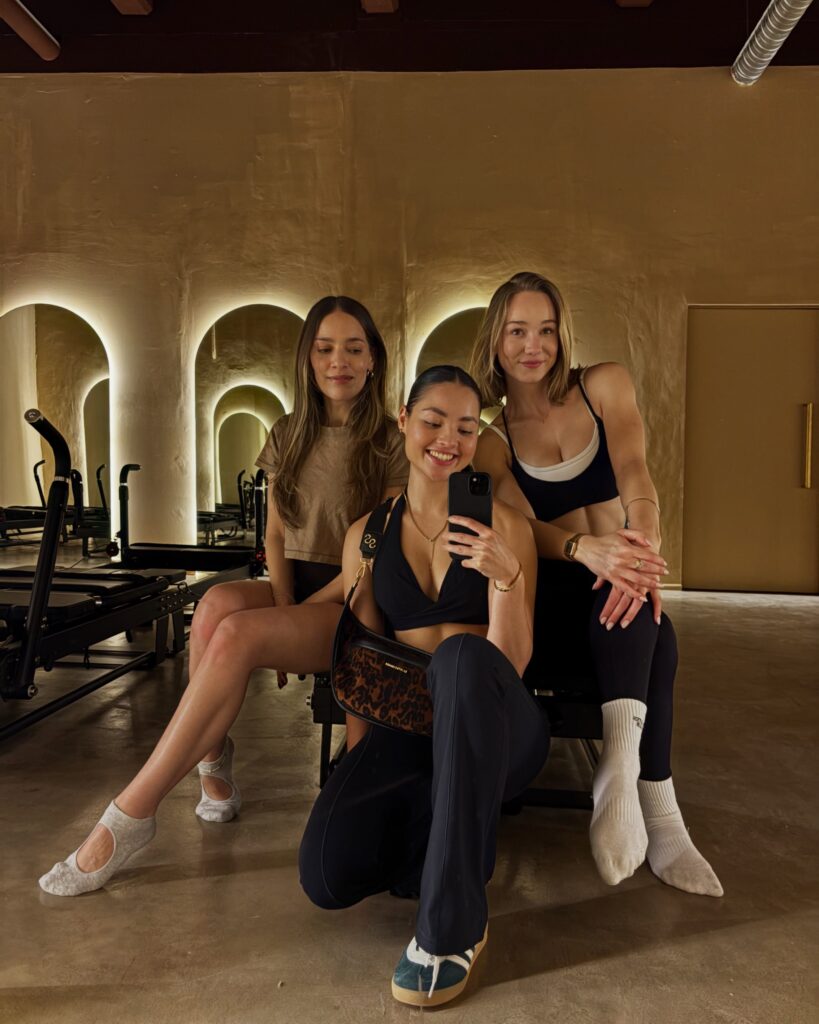
Katya’s global experiences shaped the vision
Katya’s personal experiences have played an important role in defining what Khôra represents. Having lived in many parts of the world, she developed an appreciation for people, culture and connection.
Those experiences contributed to a natural interest in bringing people together, and Khôra became an expression of that vision.
This is an important branding lesson because it demonstrates how personal experience can influence a company’s identity without becoming disconnected from the customer. Katya’s background helped shape the kind of environment the founders wanted to create.
For aspiring entrepreneurs, the takeaway is to examine the experiences that genuinely influence their perspective. A founder’s background can help inform a business concept when it is translated into something useful for the people the business serves.
Combining challenge with encouragement
Michael brings a different strength to Khôra. His longstanding interest in fitness led him to complete an XFormer training course and become a certified instructor.
His approach centres on balancing challenge with encouragement. Rather than presenting physical training simply as something demanding, he aims to help clients discover their strength both physically and mentally.
That balance is significant to Khôra’s wider positioning. The brand wants people to push themselves, but within an environment where they also feel supported.
For a growing business, this highlights the value of complementary strengths among founders. Katya’s focus on people, culture and connection and Michael’s fitness background contribute different dimensions to the same customer experience.
The lesson is not to make every part of a business identical. Strong partnerships can emerge when different skills and perspectives work towards one clearly defined purpose.
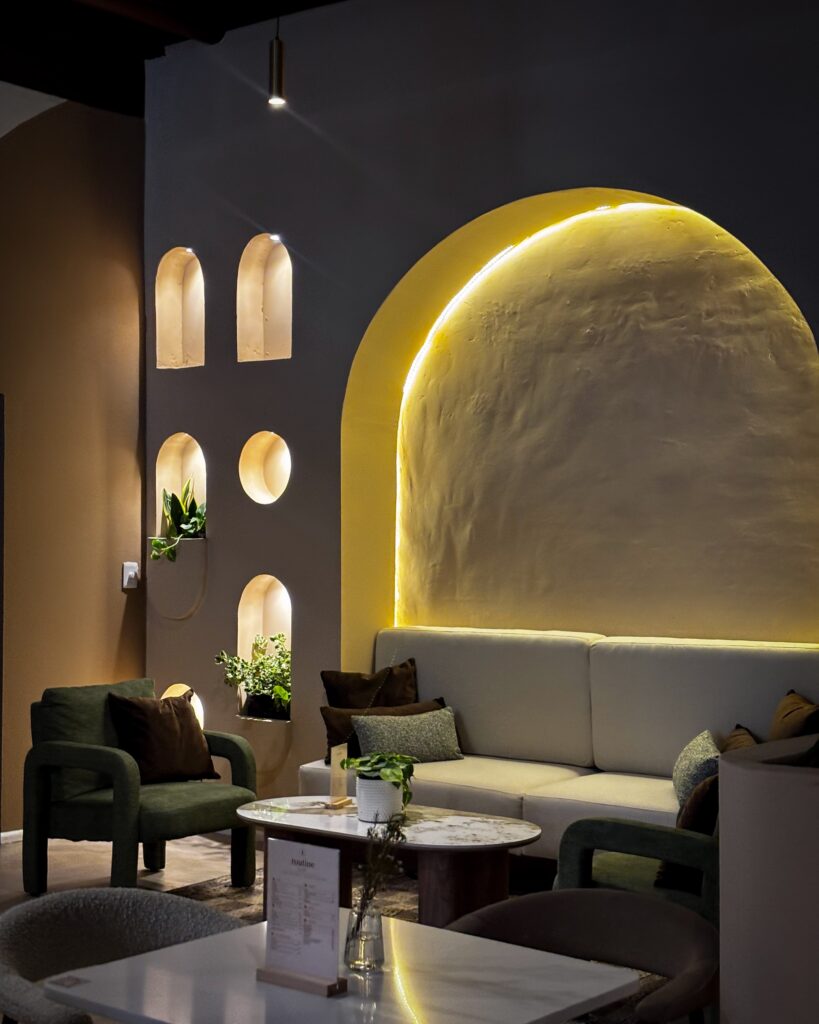
Making the experience accessible to different clients
Khôra’s vision does not depend on clients already being experienced in Pilates. The brand specifically welcomes both newcomers and people with an established practice.
That creates an important opportunity for the business because it frames the studio as a place for development rather than a space reserved for people who already understand the discipline.
The underlying message is simple: clients can arrive at different points in their journey and still have a place within the community.
For entrepreneurs, this is a valuable approach to customer experience. Understanding where different customers begin can help a brand make its offering feel more accessible without losing its identity.
Building a brand around a lasting purpose
Khôra’s story is ultimately about turning a five-year dream into a tangible wellness concept. Its founders started with an ambition to create more than a Pilates studio, then built their vision around movement, confidence, resilience and belonging.
There are no complicated claims at the centre of the brand. Instead, Khôra’s identity comes from connecting its service with the experience it wants people to have.
That is perhaps the clearest lesson for entrepreneurs. A memorable brand does not necessarily need to promise everything. It needs to understand what it wants to represent and consistently bring that idea into the customer experience.
For Khôra, Pilates is the foundation, but community is part of the larger vision. The opportunity lies in making people feel that they are not simply attending a class. They are finding a place where they can move with intention, challenge themselves, grow stronger and connect with others.