South Africa and Namibia Explore Separate Livestock Import Rules Amid FMD Risks
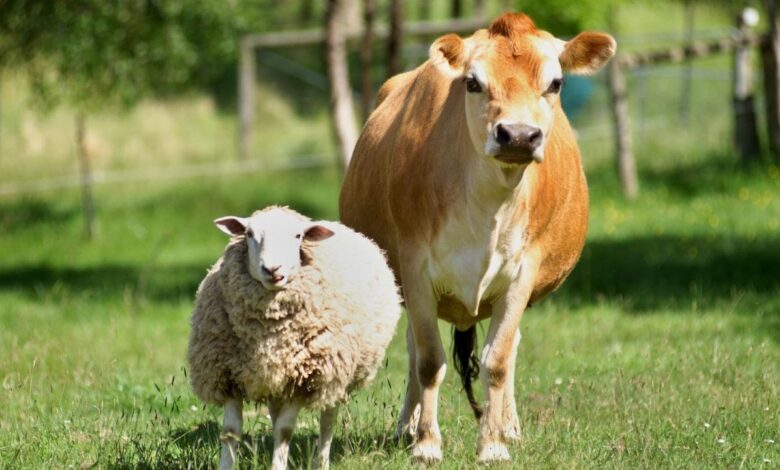
South Africa and Namibia Explore Separate Livestock Import Rules Amid FMD Risks. South African and Namibian livestock industry representatives have agreed that sheep and cattle imports should be managed under separate protocols, following a foot-and-mouth disease (FMD) outbreak confirmed in Namibia’s Karas Region in September 2026.
Red Meat Industry Services (RMIS) participated in stakeholder engagements in Namibia on 8 and 9 October, alongside industry organisations from both countries. Discussions focused on animal health measures and future arrangements for livestock trade between the two markets.
The Namibian delegation included the Namibia Agricultural Union, Livestock Producers’ Organisation and Livestock and Livestock Products Board of Namibia. South Africa was represented by RMIS, the Red Meat Producers’ Organisation and Agri SA.
Industry representatives agreed that sheep and cattle present different disease risks, supporting the consideration of species-specific import protocols. However, any final standards will need to be negotiated and approved by the veterinary authorities of both countries before livestock trade can resume.
RMIS CEO Dewald Olivier said the two countries’ livestock industries are closely connected and that workable arrangements need to protect animal health while supporting producers on both sides of the border.
Sheep imports were a particular focus of the discussions, given the established trade relationship between Namibia and South Africa. Between 80% and 90% of Namibian sheep are destined for the South African market.
Industry representatives supported maintaining this trade, provided safeguards are implemented to ensure imported sheep do not introduce FMD risks. Discussions also considered the need to manage abattoir capacity responsibly to avoid oversupplying the South African market.
Participants further highlighted reciprocity, including provisions for South African genetic material to move into Namibia.
Cattle imports face stricter considerations under the current FMD situation. One proposal discussed involved moving Namibian cattle south of the red zone in the Karas Region for vaccination and monitoring in a feedlot for at least two weeks before export to South Africa.
Olivier said imported cattle would need to meet the same vaccination and handling standards applied to South African cattle.