Kilnhouse: Giving Handmade Ceramics a Place in Homes and Restaurants
Kilnhouse: Giving Handmade Ceramics a Place in Homes and Restaurants. For a ceramics business, creating something beautiful is only part of the challenge. The pieces also need to work in the spaces where people live, eat and entertain. Johannesburg-based ceramic studio Kilnhouse brings these considerations together through handmade pieces that combine artistry with functionality.
The studio describes itself as a leading ceramic studio in Johannesburg, South Africa. Its offering centres on exceptional handmade ceramics designed to serve a practical purpose while retaining the character of crafted objects. This balance gives Kilnhouse a clear foundation: its products are not presented simply as decorative items, but as pieces intended to be used and enjoyed.
That positioning offers an important lesson for entrepreneurs in the creative sector. A strong product proposition does not always require choosing between visual appeal and everyday usefulness. Businesses can build their identity around the relationship between the two, giving customers a reason to appreciate both the appearance and purpose of what they buy.
Three Collections, Three Distinctive Finishes
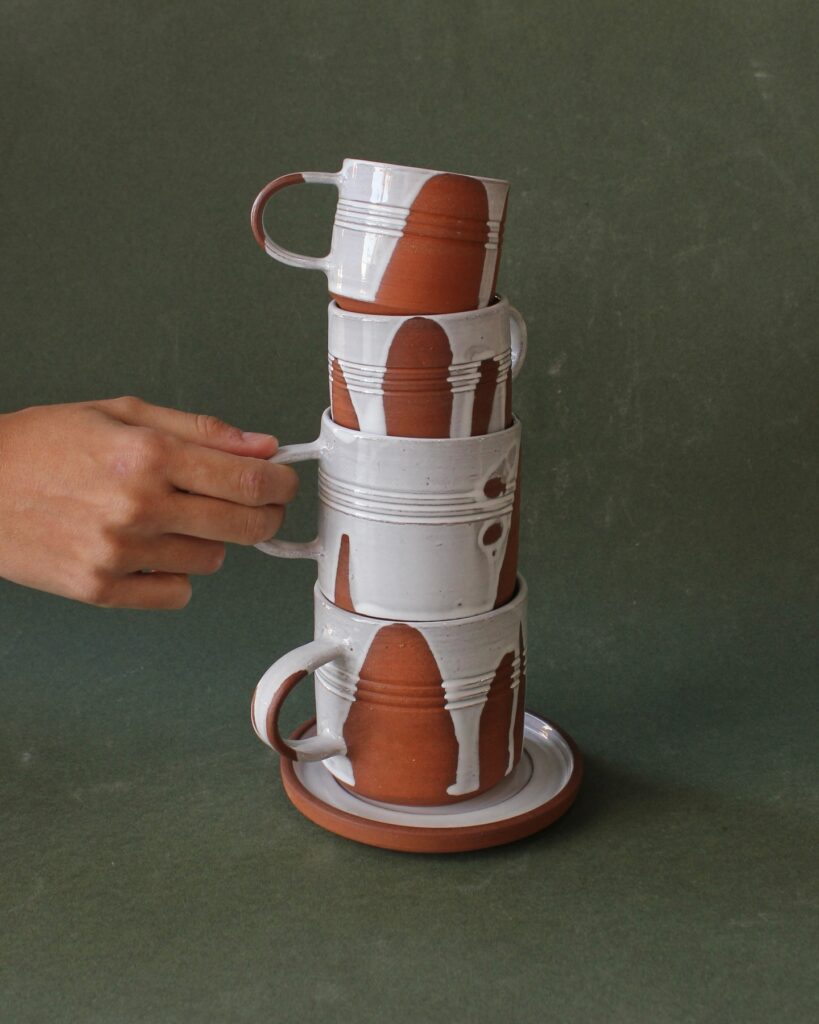
Kilnhouse currently offers three home-grown ranges: Spilled Milk, Lines in Sand and Speckle. Each collection has its own unique finish, giving the studio a way to present different ceramic identities within one broader brand.
Rather than relying on a single product range to represent its entire offering, Kilnhouse has organised its ceramics into collections with individual characteristics. This creates a recognisable structure for customers exploring the brand and makes the differences between its ranges part of the product experience.
The three collections also demonstrate how a creative business can establish variety without losing its central identity. All three sit within Kilnhouse’s handmade ceramics proposition, but their distinct finishes give each range its own place.
For other product-based businesses, this is a useful approach to consider. Collections can help organise an assortment, communicate design differences and make a growing product offering easier to navigate. The key is ensuring that each range contributes something identifiable rather than simply increasing the number of products available.
Designing for Homes and the Restaurant Industry
One of Kilnhouse’s defining strengths is the versatility of its collections. The studio states that Spilled Milk, Lines in Sand and Speckle can be used in the restaurant industry or at home.
This gives the brand relevance across two different settings. At home, the ceramics can become part of everyday living and dining. In restaurants, they offer an option for businesses looking for handmade pieces that combine practical use with distinctive finishes.
The opportunity lies in developing products that are not restricted to one environment. By making its ranges adaptable, Kilnhouse broadens the contexts in which customers can consider its ceramics.
This is a valuable business lesson: understanding how a product can serve different settings may reveal opportunities beyond its most obvious market. However, versatility needs to be supported by the product itself. Kilnhouse’s stated focus on combining artistry with functionality provides the foundation for this positioning.
Using Product Identity as a Marketing Strength
Kilnhouse’s three collections also provide useful material for communicating the brand. Each range has a name and a distinctive finish, allowing customers to explore the studio’s work through specific product identities rather than encountering an undifferentiated catalogue.
The individual collection pages give customers a direct route to discover Spilled Milk, Lines in Sand and Speckle. This collection-based presentation can make it easier to understand the breadth of the offering while keeping the focus on the ceramics themselves.
For independent brands, product storytelling does not always need complicated campaigns or elaborate marketing language. Clear collection names, recognisable differences and accessible product information can help customers understand what makes an offering distinctive.
Kilnhouse’s approach highlights the importance of giving products their own identities while maintaining a consistent brand proposition. The three ranges remain connected through handmade ceramic craftsmanship, even as their finishes distinguish them from one another.
What Entrepreneurs Can Learn from Kilnhouse
Kilnhouse’s publicly described offering provides several practical considerations for entrepreneurs building creative businesses. The first is the value of a clear product proposition. By bringing artistry and functionality together, the studio communicates what customers can expect from its ceramics.
The second is the role of thoughtful product organisation. Spilled Milk, Lines in Sand and Speckle demonstrate how distinct collections can give customers different ways to engage with a brand without moving away from its central purpose.
The third is to consider the different environments in which a product can be used. Kilnhouse’s positioning across home and restaurant settings illustrates how versatility can broaden a product’s relevance.
There is also a lesson in keeping the brand’s identity closely connected to what it makes. Handmade craftsmanship, individual finishes and practical use are the foundations of Kilnhouse’s stated proposition. These are tangible product characteristics that give the business something specific to communicate.
A Distinctive Place in Handmade Ceramics
Kilnhouse’s identity rests on a straightforward combination: handmade ceramic pieces, distinctive finishes and functionality across domestic and restaurant settings. Its three home-grown collections give structure to that offering, allowing the studio to present variety while retaining a recognisable focus.
The available brand information does not detail its founding date, expansion history, sales performance or specific challenges overcome. Its journey should therefore not be measured against milestones that have not been documented.
What is clear is the thinking behind its current offering. Kilnhouse demonstrates how a creative studio can build a product identity around craftsmanship while considering how its work fits into everyday life and commercial environments. For entrepreneurs, that is a useful reminder that a compelling brand begins with a clear understanding of the product, the people who may use it and the value it is designed to bring.