How Zazi Clothing Grew from Eastern Cape to New York Fashion Week
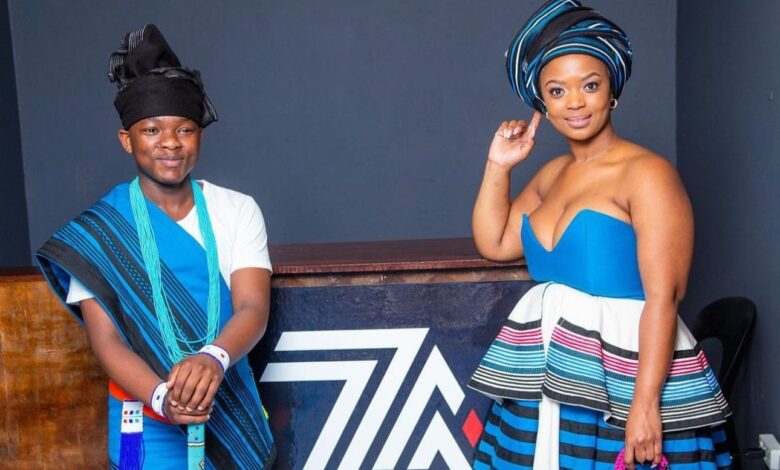
How Zazi Clothing Grew from Eastern Cape to New York Fashion Week. When Onwaba Mvele began Zazi Clothing in 2018, she didn’t just launch another clothing line, she brought tradition into the modern era. Hailing from East London in the Eastern Cape, this former Deloitte accountant turned sangoma crafted a story-driven brand centered on identity, culture, and craftsmanship.
Here’s how Zazi rose from regional roots to the New York Fashion Week stage, and what every entrepreneur can learn from its climb.
From Uniforms to Ancestral Attire
Zazi Clothing Factory began not with fashion but uniforms. Onwaba ran an NPO offering extra classes in East Rand while fixing school uniforms. Seeing an opportunity, she transitioned the initiative into school uniform manufacturing, then pivoted home to East London to build her own factory.
Early on, she combined cultural service with entrepreneurship. Her factory produced hospital linens, PPE and corporate uniforms, but a deeper calling led her to mbhaco (traditional Xhosa dress). She trusted her intuition and dreams, often sketching designs she’d visualise in her sleep.
Building on Tradition with Innovation
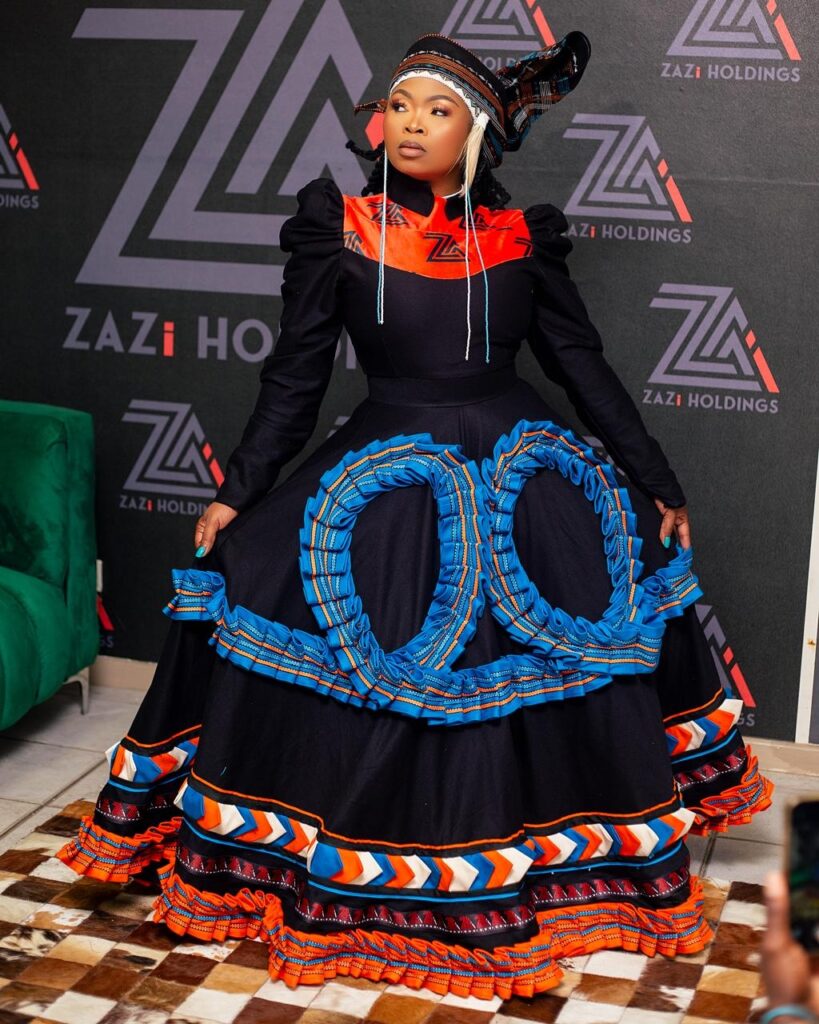
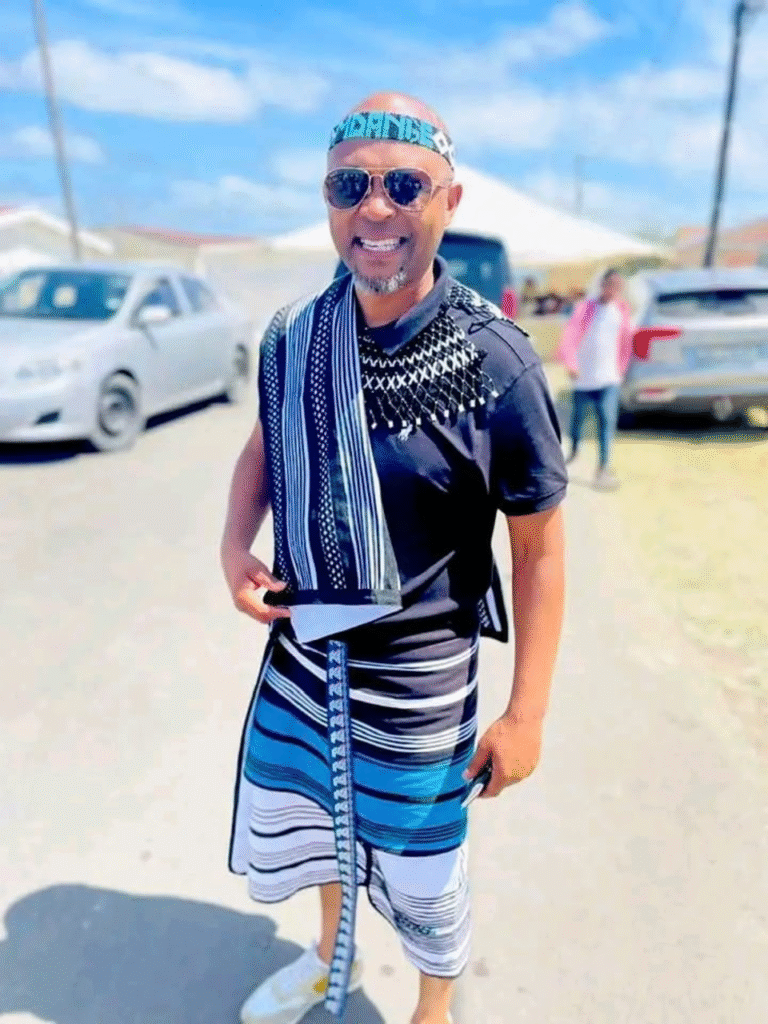
Onwaba did not leave mbhaco in the past. She reimagined it. She says the name Zazi describes the journey of knowing oneself and wearing that confidence proudly. Her designs blended iconic Xhosa fabrics with everyday trends. That mix made her dresses resonate with diverse cultures and clients, eventually drawing attention from public figures, government officials, and celebrities like Lusanda Mbane.
Crisis into Catalyst
Rapid power outages threatened her factory. She invested in generators to keep production stable. She also faced the threat of pattern copying from cheaper imports. Her response? Continual design innovation, releasing new styles weekly.
Turning Point: New York Fashion Week
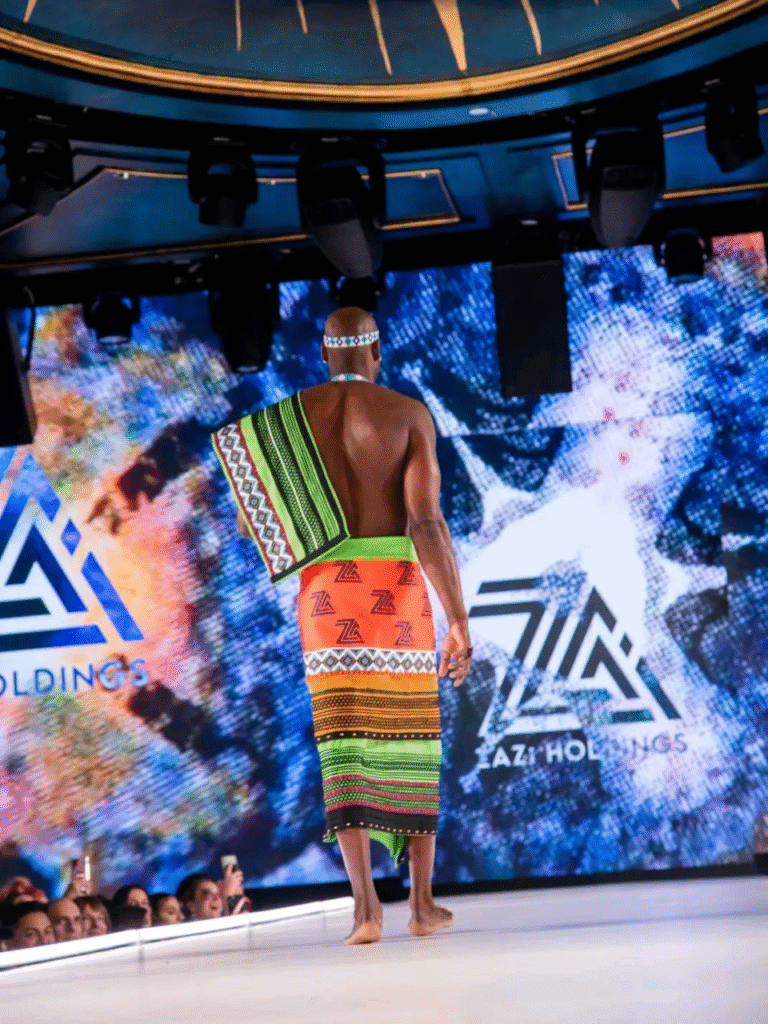
In early 2024, Zazi’s path took a quantum leap. A direct message on Instagram invited Onwaba to showcase at New York Fashion Week. Initially skeptical, she confirmed her credentials and accepted the invitation to present a “Traditional Elegance” collection in February.
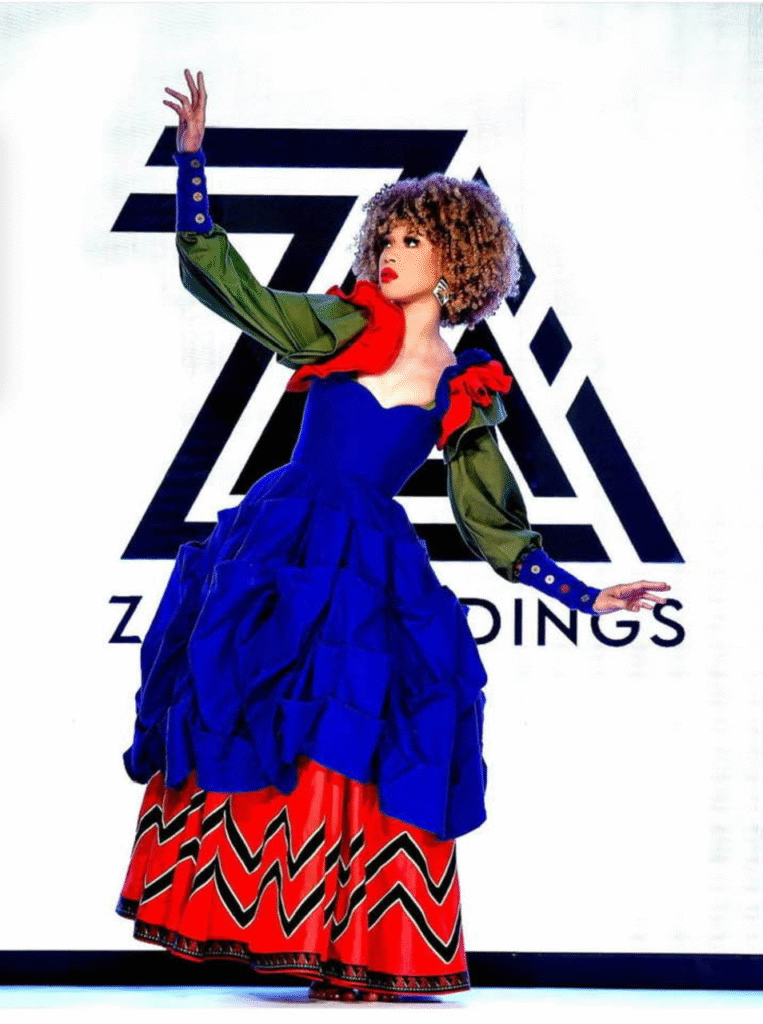
She brought a team, including South African models, and showcased a line rich in Xhosa mbhaco and vibrant African prints. Her story, of an accountant who followed her dreams, added weight to her runway debut.
Strategic Collaboration and Funding
Though invited, Zazi’s runway debut required support. Agencies like Absa Bank, SEDA, and the Eastern Cape Provincial Arts and Culture Council provided funding and sponsorships. These partnerships were vital for production, logistics, and visibility.
Scaling with Culture at the Core
Zazi now employs over 50 permanent staff and continues to grow. Onwaba plans to scale into fabric weaving and local dyeing, creating more jobs and ensuring her designs remain culturally rooted. She is also expanding her palette to include Sotho, Venda, and other cultural colours.
The Zazi Blueprint: Actionable Insights
- Begin with authenticity: Leverage your heritage or passion as a foundation, not a marketing ploy.
- Pivot with purpose: Adjust your model (like Zazi moving from uniforms to tradition) when vision guides you.
- Invest in resilience: Infrastructure matters. Generators, reliable supply, creative turnover all strengthen your brand.
- Prepare to scale: Opportunities like NYFW don’t come often. Build systems to step up.
Final Thought
Onwaba Mvele’s journey with Zazi Clothing shows that modern fashion success isn’t about flashy trend-chasing. It’s about self-awareness, cultural celebration, strategic investment, and staying open to the unexpected. Zazi’s runway in New York was not a climax, it was the next chapter in a story started by knowing who you are and being brave enough to wear it.
Aspiring entrepreneurs can follow Zazi’s lead: dig into your roots, speak with purpose, and let obstacles sharpen your vision. That combination can turn a local dream into global impact.