Kitchen to Culinary Kingdom: How Matome Mashola Built a Restaurant Empire
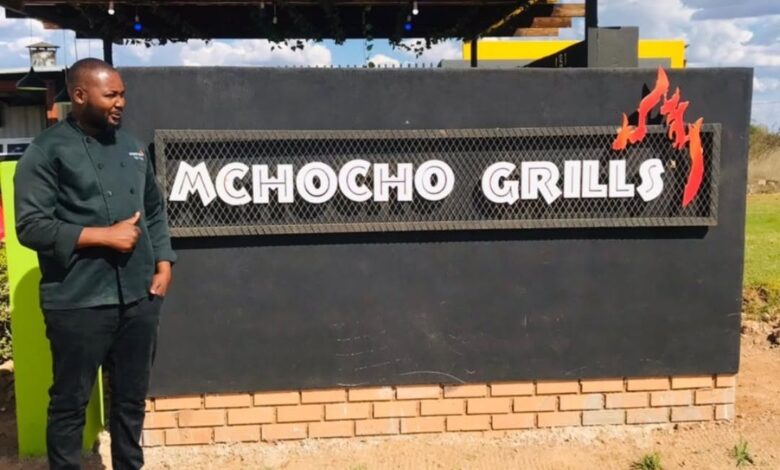
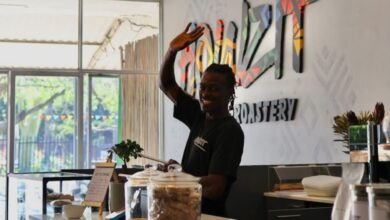
Kitchen to Culinary Kingdom: How Matome Mashola Built a Restaurant Empire. When Matome Mashola began his journey in hospitality, it wasn’t with an expansive chain or big investment, it was with a vision and a passion for food. Based in Botlokwa, Polokwane, Matome has become known as “the king of the kitchen,” leading brands such as Mchocho Grills, Seapot, Bar Ridge Villa, Browns Pizza and Pasta, McGregor Kream and Oracle Baristas (nine past coffee-shop outlets). His story is one of strategic marketing, growing opportunities and turning every challenge into momentum.
Finding flavor and opportunity
Matome’s foray into the restaurant business shows how he identified a simple truth: people will always gather to eat, share and enjoy good food. His decision to launch Mchocho Grills in Botlokwa capitalised on local demand and his own culinary creativity. By building from his community outward he ensured his foundation was strong. One of his early strengths was focusing on food experiences that align with local tastes, comforting, familiar, yet elevated. That focus remains at the heart of his success.
Crafting a clear brand and environment
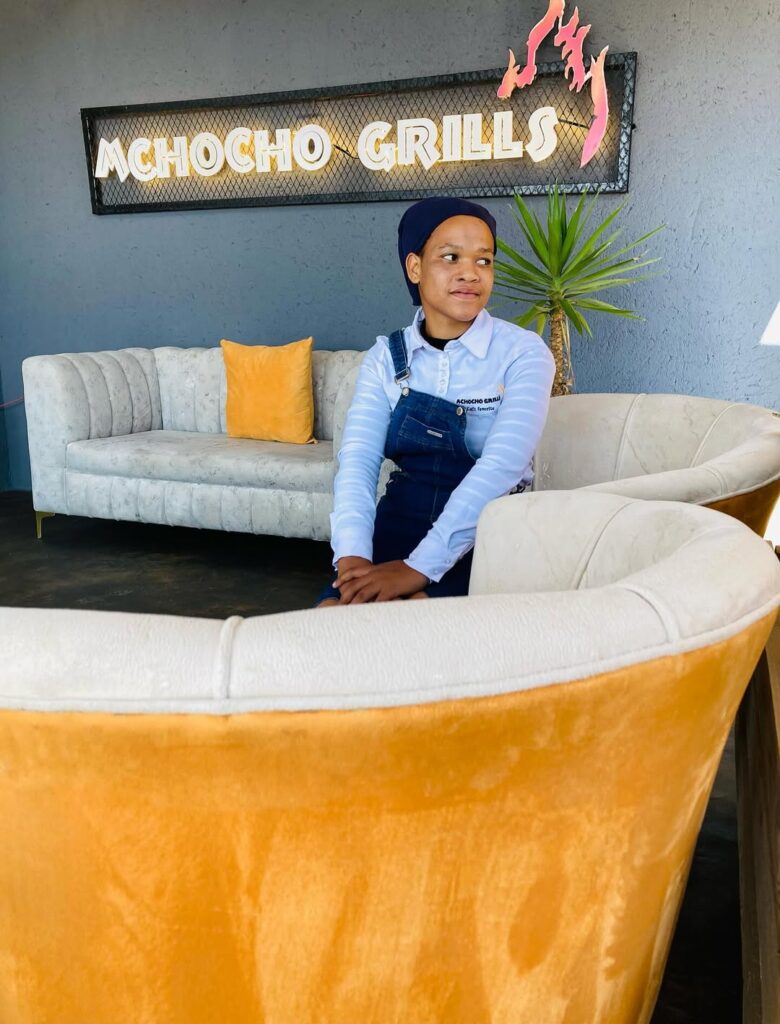
As Matome expanded into Seapot, Bar Ridge Villa, Browns Pizza and Pasta, McGregor Kream and multiple Oracle Baristas coffee-shops, he maintained a consistent approach: each venue delivers on atmosphere, menu and service. That consistency built trust across his customer base. His strategic marketing emphasised not only what he served, but how people felt when they visited. The environment, décor, service and food all worked together to create memories and returning customers. For entrepreneurs this lesson matters deeply: product quality is essential, but the holistic experience amplifies brand strength.
Turning points and expansion milestones
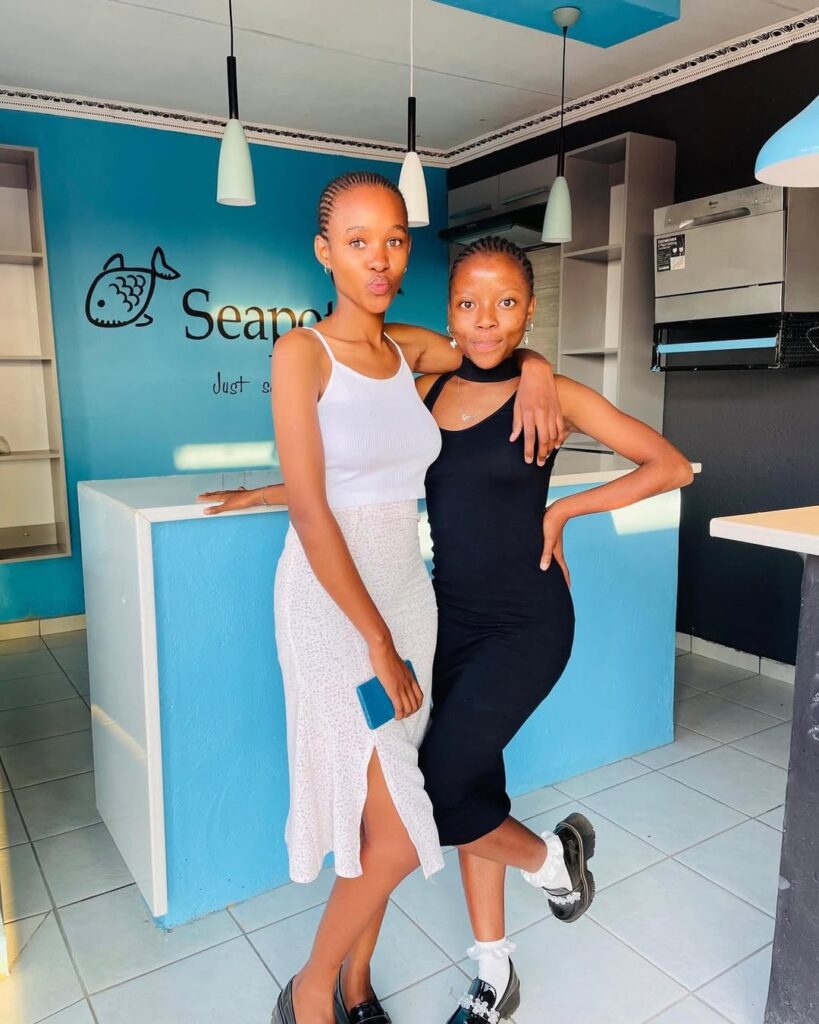
A major turning point for Matome was the diversification of his restaurant portfolio. Moving beyond one location or one concept meant he could reach different segments of the market, burgers and grills at Mchocho, casual coffee at Oracle Baristas, pizza and pasta at Browns. This diversification helped stabilise revenue and reach broader audiences. Another milestone was the expansion to nine coffee-shop outlets under Oracle Baristas, a sign of scaling and system replication. For entrepreneurs the takeaway is clear: once you establish a strong core model, replicate it smartly and align it to new segments rather than reinventing everything.
Strategic marketing and community roots
Matome’s marketing leverages his connection with the local community in Botlokwa and Polokwane. By positioning his restaurants as local venues where everyone is welcome, he built grassroots loyalty. Social media posts highlight the founder, his brands and contact information (072 213 9744) in Botlokwa. These direct lines of communication invite customers into the brand story, not just as diners, but as part of a local movement. For entrepreneurs the insight is to keep marketing human and accessible, especially in communities that value relationship and familiarity.
Challenges and resilience in growth
Growing a multi-restaurant business is rife with challenges: operational logistics, staff turnover, consistency across outlets, supply chain issues and evolving consumer preferences. While Matome’s public narrative doesn’t detail every hurdle, the fact that he now runs multiple outlets in varying formats suggests he overcame these with solid systems, leadership and perhaps mentorship. Entrepreneurs should anticipate that establishing one successful venue is only the beginning, scaling requires processes, training, and culture that can travel across locations.
Innovation in experience and menu
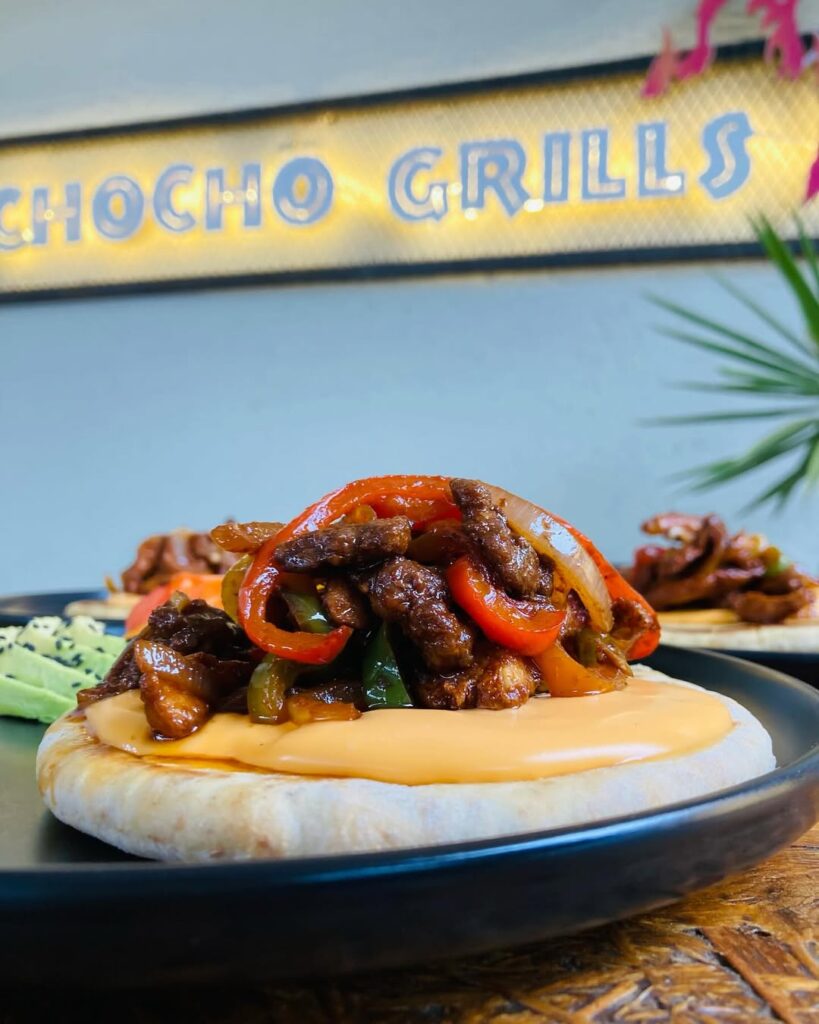
One of Matome’s strengths is his ability to innovate while staying rooted in local culture and taste. A grill restaurant in Botlokwa might feature locally inspired dishes alongside more global fare. A pizza and pasta venue gives a family-friendly option. Coffee-shop chains capture a different lifestyle segment. Through that innovation he met customers where they were and gave them new reasons to return. Aspiring entrepreneurs should ask themselves: how can you diversify your offer without losing your brand’s soul?
Actionable lessons for entrepreneurs
- Know your community first. Matome built his first venue in Botlokwa, understood local tastes and built from there.
- Deliver experience, not just product. Everyone eats, but memorable venues make people stay and come back.
- Diversify intelligently. Expanding into new segments works when you leverage what you’ve learned in your core business.
- Keep communication personal. Direct contact info and local presence build trust, especially in community-based businesses.
- Scale with systems. Multiple outlets demand standardisation without losing what makes the original special.
- Innovate while staying rooted. New concepts should reflect customer desires and your brand identity, not chase every trend.
Looking ahead
Matome Mashola’s journey from a single restaurant to a multi-brand business demonstrates that success in the hospitality industry comes from strategic clarity, community connection and disciplined expansion. For many entrepreneurs, especially in township or regional contexts, his story shows that you do not need to start with everything, you need to start with something you understand deeply, do it well, and scale outward when the time is right.