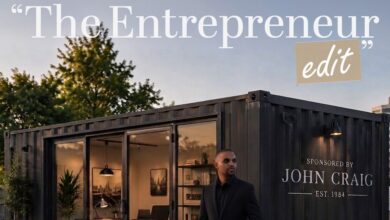
More Than a Celebrity Label: The Making of BT Signature

More Than a Celebrity Label: The Making of BT Signature. BT Signature did not arrive as a side project or a fleeting celebrity endorsement. When Boity Thulo introduced the brand in March 2021, it reflected a deliberate move into ownership, product development, and long term brand building within South Africa’s competitive ready to drink beverage market. The brand’s journey offers clear lessons about control, collaboration, and the power of creating with intention rather than chasing trends.
From Personal Brand To Product Vision
BT Signature was positioned from the start as a lightly sparkling frizzante fruit beverage created for bold and fashionable individuals. The framing mattered. Boity did not launch a generic RTD. Instead, the brand language tied directly to confidence, self expression, and personal choice, qualities long associated with her public image. This alignment ensured that the brand narrative felt consistent rather than manufactured.
The decision to include both alcoholic and non alcoholic variants at launch immediately broadened the brand’s relevance. Rather than limiting the product to alcohol consumers, BT Signature spoke to a wider audience seeking premium beverages without exclusion. This move reinforced the idea that lifestyle brands grow faster when they recognise diverse consumption habits without diluting identity.
Choosing Craft Over Convenience
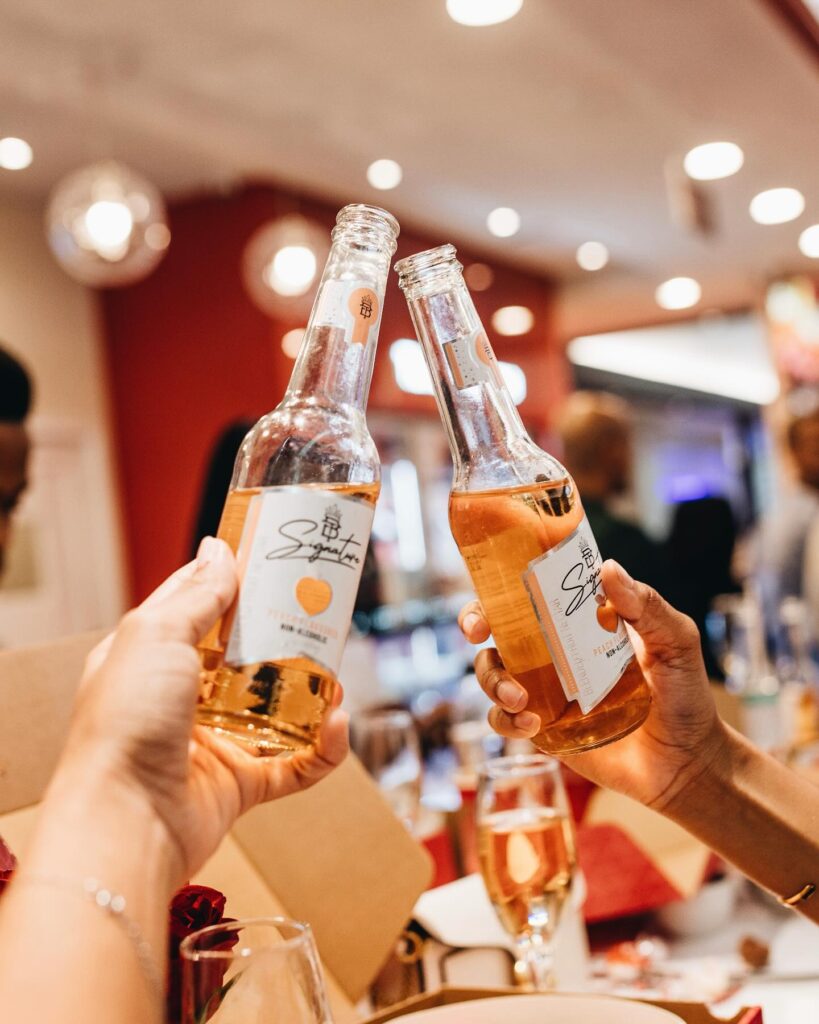
A defining turning point in BT Signature’s journey was Boity’s decision to partner with winemaker Matthew Krone. Rather than outsourcing production for speed, she partnered with a specialist known for decades of experience and a family legacy in South African winemaking. The collaboration anchored the brand in technical credibility.
BT Signature uses wine making production methods and contains no artificial sweeteners. These choices positioned the product closer to crafted beverages than mass market RTDs. The alcoholic variant, set at 4.5% ABV, was intentionally balanced to deliver flavour without heaviness, offering ripe peach aromas, hints of nectarine, crisp green apple freshness, and a lingering aftertaste. Product quality became part of the marketing without relying on exaggerated claims.
For aspiring entrepreneurs, the lesson is clear. Expertise cannot be substituted by visibility. Strategic partnerships elevate credibility when they are rooted in shared standards rather than name recognition alone.
Ownership As Strategy, Not Symbolism
BT Signature’s business structure is one of its most important milestones. As a major shareholder and Director of BTMK Beverages, Boity became the first black South African woman to create and own an RTD beverage, and the first celebrity to introduce a non alcoholic variant within this category. This was not symbolic ownership. It placed her inside the operational and strategic framework of the business.
This level of involvement shifted the narrative from celebrity licensing to entrepreneurship. It also ensured long term control over product direction, brand values, and expansion decisions. For founders, this reinforces a critical principle. Equity determines influence, and influence determines sustainability.
Marketing Through Meaning Rather Than Noise
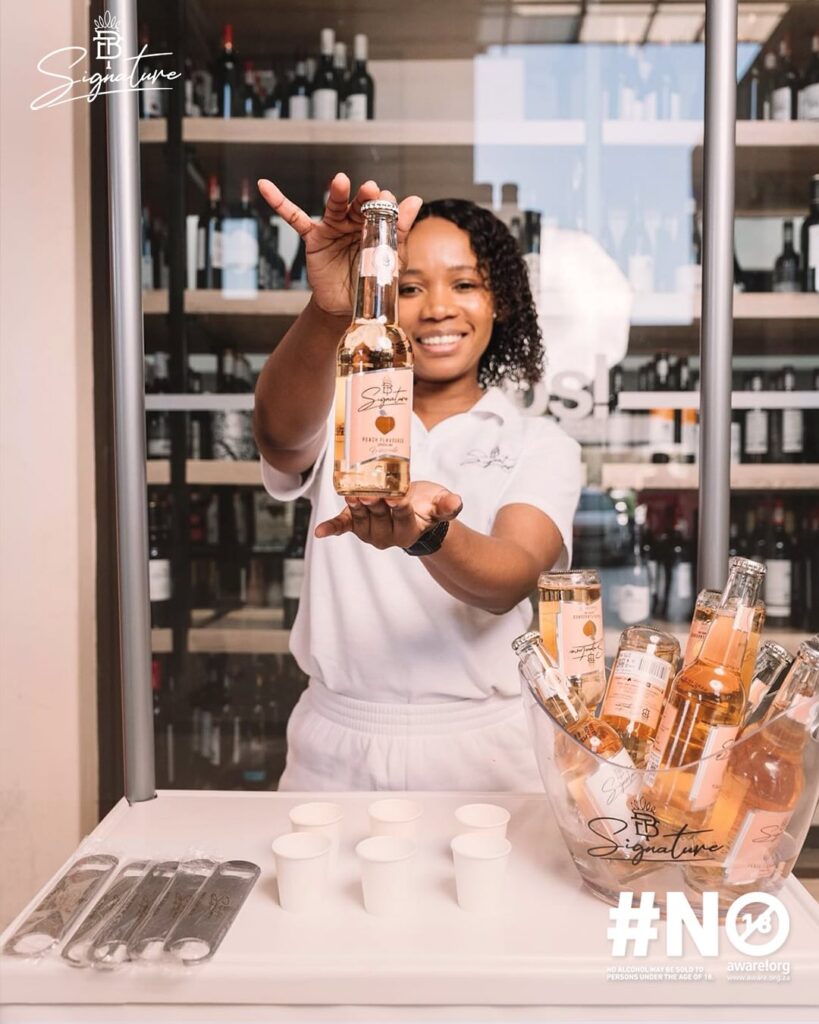
BT Signature’s marketing strategy leaned heavily on meaning rather than spectacle. The brand consistently positioned itself as an ode to individual success and self ownership. Messaging focused on owning your choices, your style, and your journey. This approach resonated because it reflected lived experience rather than abstract aspiration.
Instead of relying on seasonal hype, BT Signature embedded itself into moments of celebration and personal milestones. The product became associated with lifestyle alignment rather than occasion dependency. This allowed the brand to grow steadily without needing constant reinvention.
For emerging brands, this highlights the value of emotional consistency. Strong brands do not chase every trend. They repeat a clear message until it becomes recognisable.
Innovation Through Inclusion
One of BT Signature’s most innovative decisions was launching alcoholic and non alcoholic beverages within the same brand universe. This allowed consumers to participate in the brand regardless of drinking preference, while maintaining the same visual identity and product experience.
By offering a non alcoholic option without treating it as secondary, BT Signature challenged the idea that premium beverage experiences must include alcohol. This decision positioned the brand ahead of shifting consumer preferences toward mindful consumption.
The takeaway for entrepreneurs is that innovation does not always require new categories. Sometimes it requires rethinking who gets included.
Lessons From Building With Intention
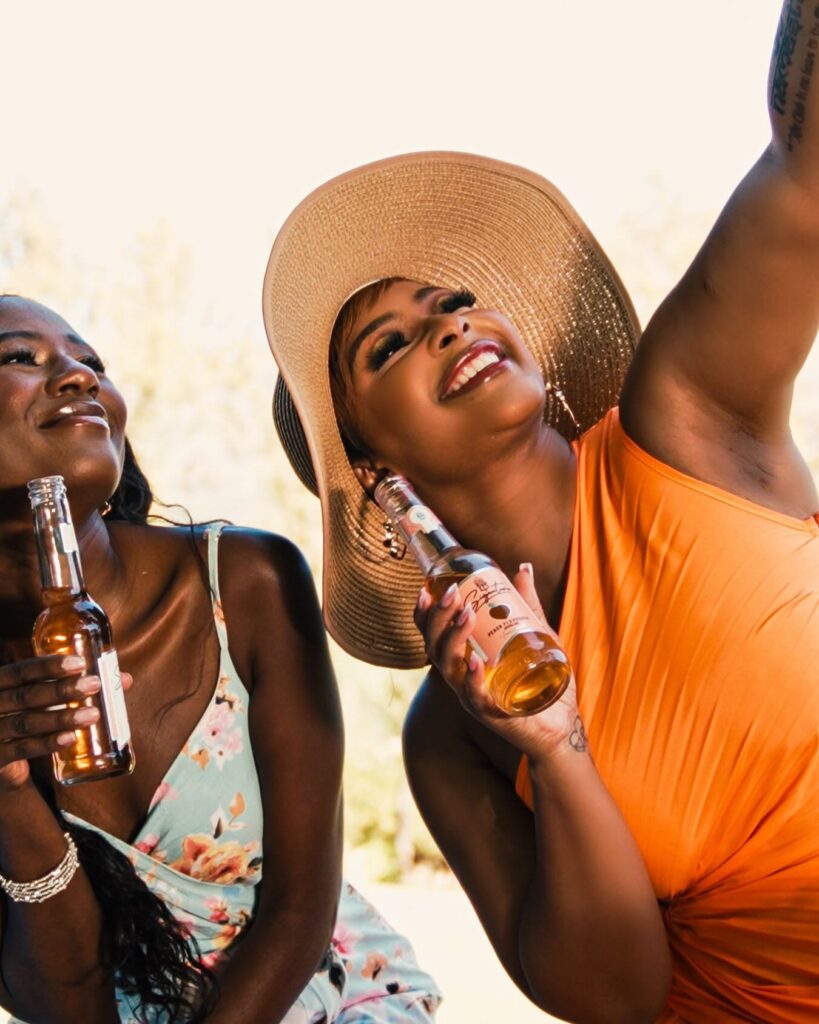
BT Signature’s journey demonstrates that successful brands are built through clarity rather than speed. Boity Thulo combined personal insight, technical expertise, and ownership to create a product that reflected both craft and conviction. The brand did not rely on borrowed credibility or exaggerated promises. It focused on quality, consistency, and control.
For aspiring founders, the lessons are practical and replicable. Align the product with lived identity. Partner with experts who strengthen credibility. Secure ownership that protects long term vision. And build messaging that speaks with purpose rather than volume.