
Community Food Gardens Offer Stability as South African Families Face January Pressures
Community Food Gardens Offer Stability as South African Families Face January Pressures. As the festive season draws to a close, many South African households enter the new year under financial strain. January brings school fees, uniforms, transport costs and tighter household budgets, creating pressure for families already managing limited resources. During this transition, community food gardens across the country continue to provide practical support by improving access to fresh food while strengthening local resilience.
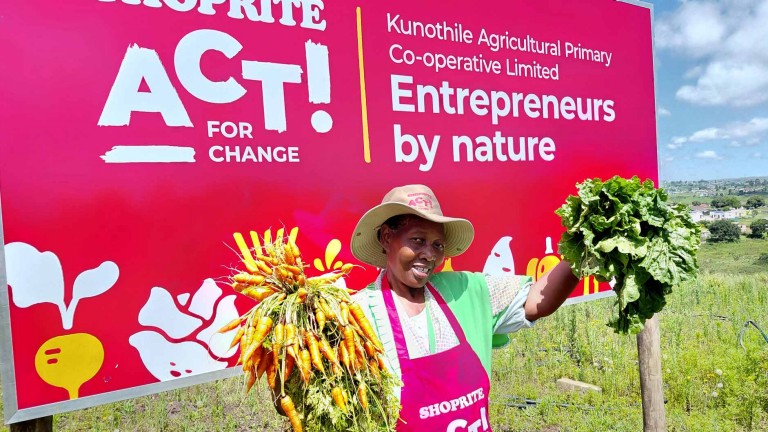
These gardens function as more than food production sites. They have become spaces for shared responsibility, skills transfer and community care. Across South Africa, initiatives such as the Siyazondla kwaPhindangene cooperative in Ulundi and the Kunothile Agricultural Primary Co-operative in uMbumbulu, KwaZulu-Natal, demonstrate how collective effort can help households begin the year with greater food security.
Founded in June 2019, Siyazondla kwaPhindangene operates as a family-run cooperative producing organic vegetables for sale. Alongside income generation, the cooperative prioritises sharing surplus produce with employees, their families and community members facing hardship. The project also provides employment opportunities for women, young people and persons with disabilities, linking food production with broader socio-economic support.
According to cooperative representative Mohale Buthelezi, the garden aims to grow into an agrihub supporting surrounding farmers and families. At the start of the year, Siyazondla assists community members through seedling distribution, ploughing support and sharing surplus vegetables, helping households manage food needs during a demanding period.
Recognition for such initiatives has been reinforced through the Act For Change Food Garden Competition, launched by Shoprite in October last year. The competition highlights community gardens contributing to nutrition, sustainability and upliftment, with collective prizes of R1 million designed to strengthen participating projects. Siyazondla is among hundreds of entries received nationwide.
The Kunothile Agricultural Primary Co-operative has also emerged as a key support structure in its community. After selling produce to sustain members’ livelihoods, the cooperative sets aside surplus vegetables for households and school feeding programmes. This support is particularly important during school holidays and the early months of the year.
Beyond food relief, Kunothile focuses on knowledge sharing. Members teach young people how to establish home gardens using leftover seeds, promoting self-reliance. As economic pressures persist, community food gardens continue to provide nourishment, skills and stability, helping families navigate the challenges of a new year together.