How Tshimologo Hygiene Solutions Turned Mobility Into a Mission
How Tshimologo Hygiene Solutions Turned Mobility Into a Mission. Building a business is often about spotting what others overlook. For Kagiso Ranyawa, it was not just about opportunity. It was about dignity, access, and creating practical solutions for real world problems. As the Founder and CEO of Tshimologo Hygiene Solutions, Ranyawa has shaped a service driven company focused on delivering reliable mobile hygiene infrastructure where it is needed most.
Born in Daveyton, Ranyawa’s entrepreneurial path has not been a straight line. His earlier venture, a mobile car wash business, came to a halt during the COVID-19 lockdowns. Losing that business forced him to rethink how mobility, service, and equipment could be used in a different way. That period of uncertainty became the starting point for a new idea that would soon grow into Tshimologo Hygiene Solutions.
A Practical Idea Built for Real Conditions
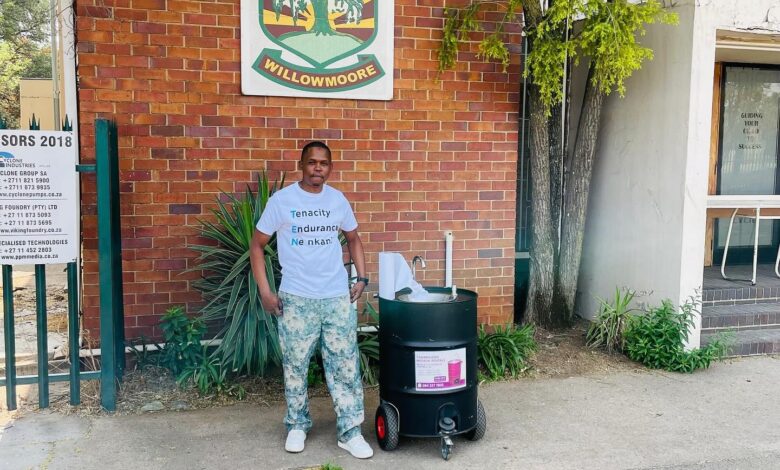
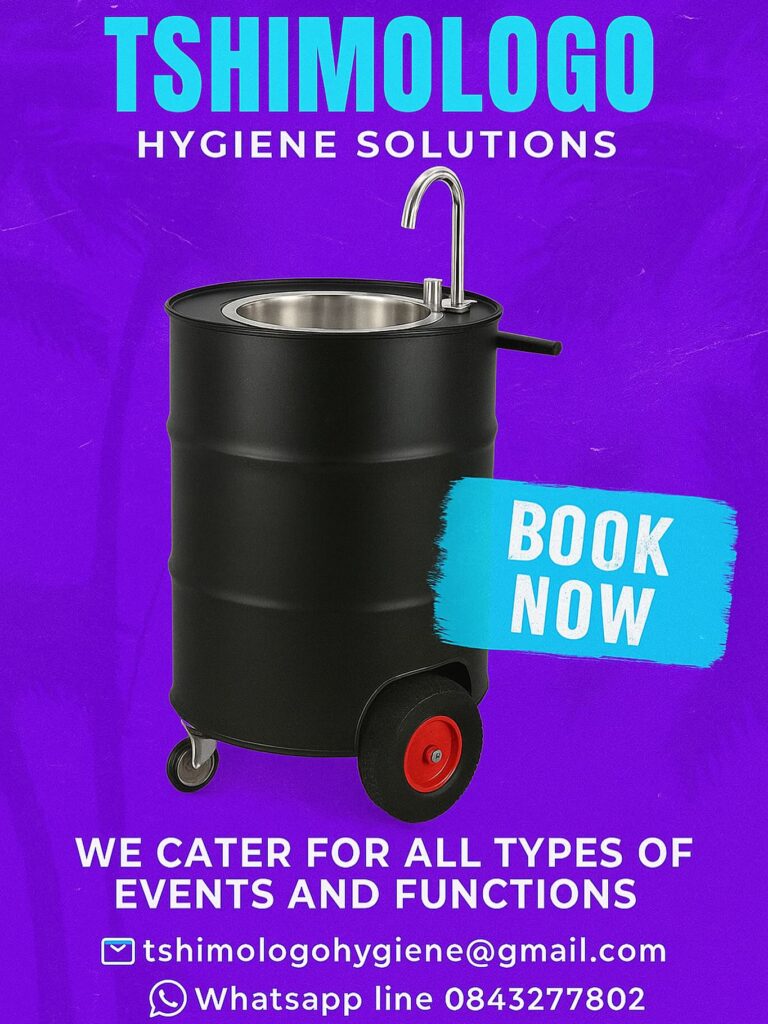
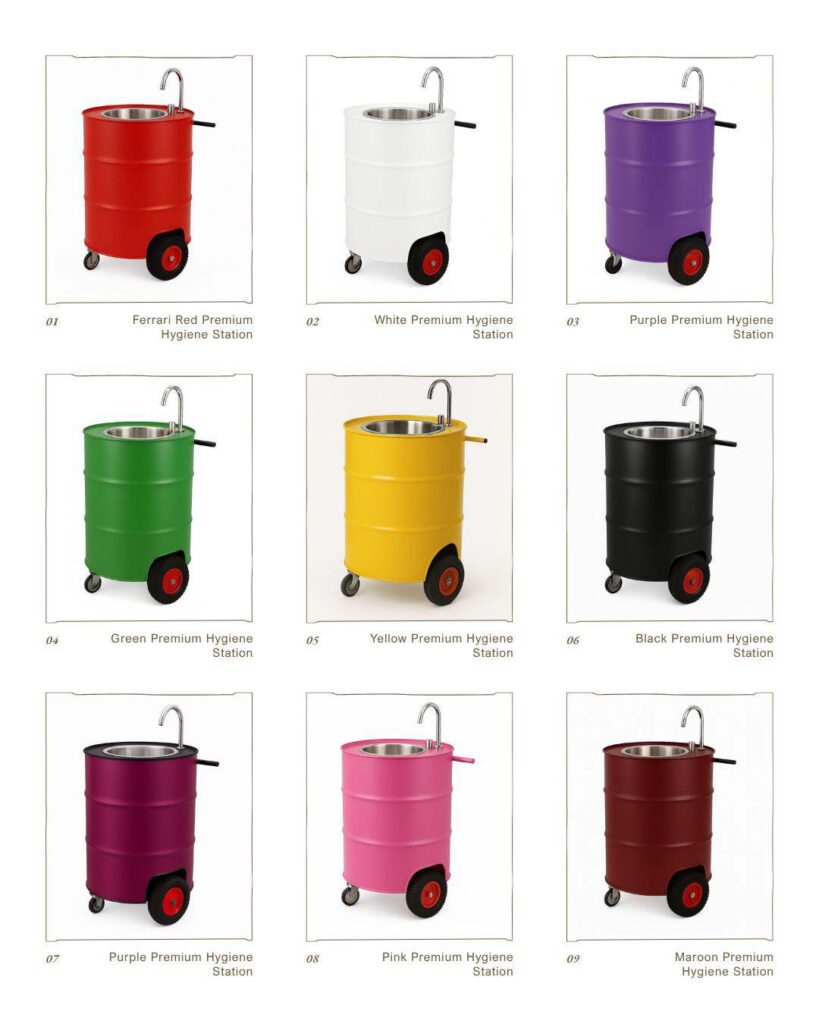
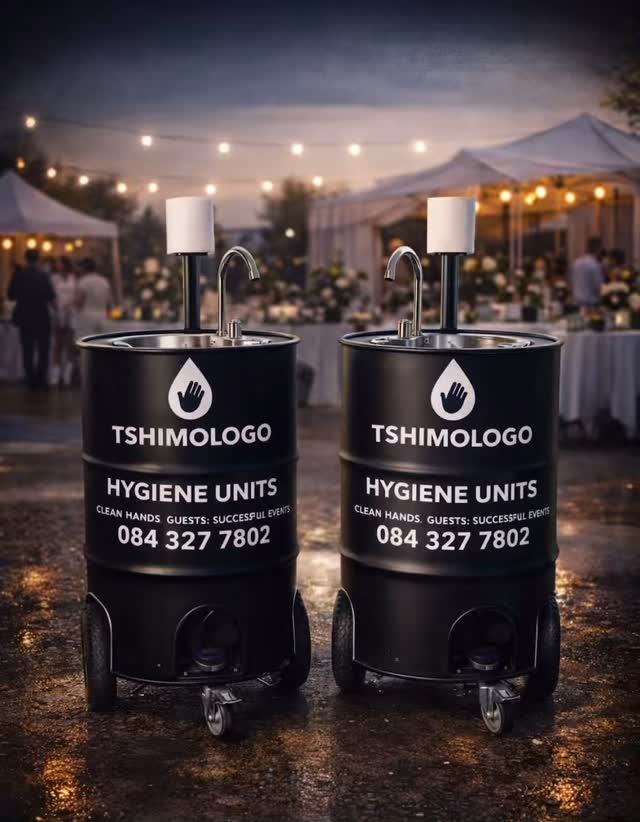
Tshimologo Hygiene Solutions focuses on mobile handwashing stations designed for environments where water access and permanent infrastructure are limited. Ranyawa transformed steel drums into functional hygiene units fitted with wheels, a tap, a sink, and a paper towel holder. The goal was simple: create something durable, affordable, and easy to move.
Rather than just selling equipment, the company operates on a serviced model. Tshimologo provides rentals and ongoing support that includes water replenishment, soap and paper towel refills, and maintenance. This approach allows clients to focus on their events or operations while hygiene standards are handled consistently and professionally.
This service based model has become one of the company’s defining strengths. It turns a once off product into an ongoing relationship with clients, creating recurring revenue and long term trust.
Turning Setbacks Into a New Direction
The end of Ranyawa’s car wash business could have marked the end of his entrepreneurial journey. Instead, it sharpened his focus. He shifted from washing vehicles to supporting public health needs, using the same principles of mobility and on site service.
That transition highlights a key lesson for entrepreneurs: skills and assets from one venture can often be repurposed into another. Ranyawa already understood logistics, customer service, and operating in different locations. Those capabilities carried directly into his new business.
By responding to a clear and visible need for accessible hygiene, especially in community spaces, he positioned Tshimologo Hygiene Solutions in a market where reliability matters just as much as the product itself.
Building Through Partnerships and Local Collaboration
Ranyawa did not build the product alone. He partnered with a local manufacturer to bring the mobile units to life. This decision allowed him to focus on operations, clients, and service delivery while ensuring the units were professionally produced.
Clients now include schools, NGOs, event organisers, and small businesses. Demand has grown across Gauteng, with interest also coming from the Eastern Cape and even Botswana. The business operates on both sales and rentals, with units priced between R8000 and R10,000 and rentals averaging R500 per day, including soap and paper towels.
By keeping the units affordable and the service reliable, Tshimologo has made hygiene access more realistic for organisations that may not have the budget or infrastructure for permanent facilities.
A Lean Operation With a Clear Focus
Tshimologo Hygiene Solutions runs with a small team. Ranyawa leads operations himself, supported by two to four part time workers who assist with deliveries and administration. Logistics are handled using trailers and third party transporters, keeping overheads flexible while allowing the business to serve multiple locations.
This lean structure shows that growth does not always begin with a large workforce. Clear processes, dependable service, and strong client relationships can carry a business far, even with limited staff.
Lessons Entrepreneurs Can Apply
Several practical lessons emerge from Ranyawa’s journey. First, real problems create real markets. Access to hygiene in areas without reliable water is a daily challenge for many communities and organisations. Solving that problem created immediate relevance.
Second, service can be more powerful than a product alone. By including maintenance and restocking, Tshimologo became more than a supplier. It became a partner in maintaining hygiene standards.
Third, setbacks can redirect rather than end a journey. The closure of one business became the foundation for another, built on experience rather than starting from zero.
Finally, local collaboration matters. Working with nearby manufacturers and serving community based clients keeps the business rooted in the environments it aims to support.
Tshimologo Hygiene Solutions continues to grow through steady demand and a focus on practical, reliable delivery. At its core is a simple belief from its founder: solutions must work where people actually are, not just where infrastructure already exists.