Wilderness Meets Opportunity: The Business Lessons Behind Thulani Game Lodge & Eco Estate
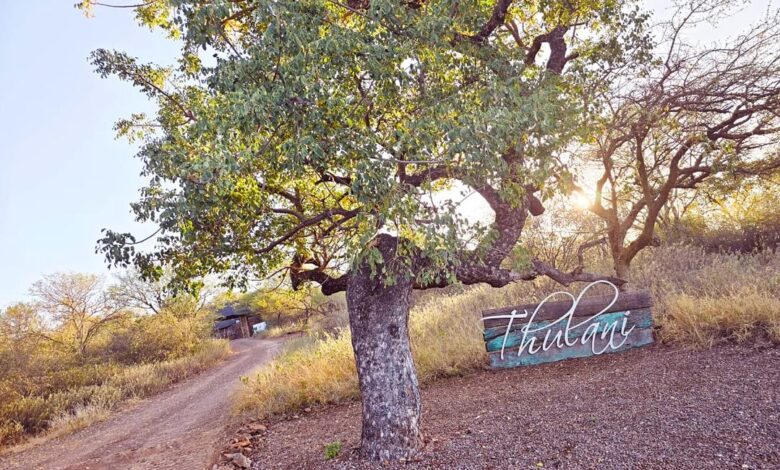
Wilderness Meets Opportunity: The Business Lessons Behind Thulani Game Lodge & Eco Estate. Perched on a hilltop in the Waterberg region of Limpopo, Thulani Game Lodge & Eco Estate presents a setting that immediately defines its identity. Surrounded by panoramic bushveld views, the lodge offers a secluded experience that balances luxury with nature.
Located approximately 150 kilometres from Johannesburg, the lodge is positioned within a two hour drive from a major urban centre. It is also situated 27 kilometres from Northam and within a short drive of Thabazimbi. This strategic placement allows it to function as both a remote escape and an accessible destination.
From the beginning, the brand’s foundation has been built on one core advantage. It offers a natural environment that is both exclusive and convenient, a combination that is not easy to replicate.
Creating value through exclusivity and scale
Thulani Game Lodge operates as a four star, privately owned lodge with accommodation for up to sixteen guests. Rather than pursuing large scale capacity, the business focuses on a more intimate experience.
This decision shapes the entire customer journey. Guests are not part of a crowded resort environment. Instead, they are offered privacy, space, and a deeper connection to nature.
By limiting capacity, the brand strengthens its positioning. It becomes a destination for those seeking quiet, premium experiences rather than volume driven tourism.
The lesson for entrepreneurs is clear. Sometimes growth is not about serving more people, but about serving the right audience with a more refined offering.
Leveraging the power of natural surroundings
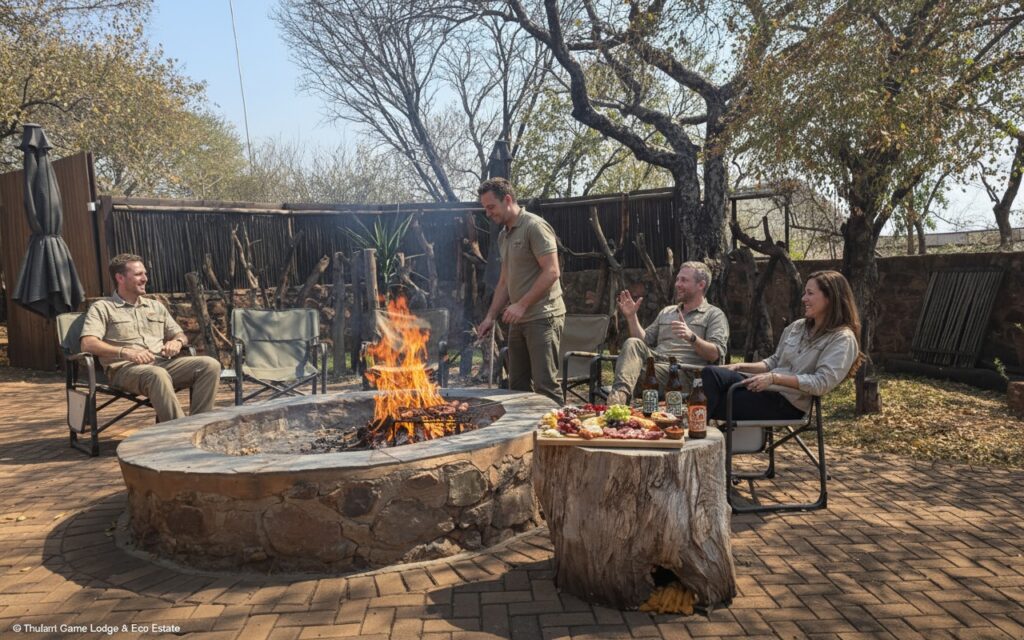
The lodge’s location within a private nature reserve in the Waterberg region plays a central role in its appeal. The bushveld setting, combined with a malaria free environment, adds to its attractiveness as a safe and relaxing retreat.
Rather than competing purely on built infrastructure, the brand leverages what already exists in its environment. Nature becomes part of the product.
This approach reduces the need for excessive development while enhancing the overall experience. It also aligns with the growing demand for eco conscious travel.
For entrepreneurs, this highlights an important principle. The strongest advantage is often something you already have, but need to position effectively.
Positioning as an escape from urban life
One of the defining elements of Thulani Game Lodge is its ability to offer a clear alternative to city living. Its messaging is rooted in disconnection from noise and reconnection with nature.
Being close enough to Johannesburg makes it ideal for short stays, weekend getaways, and quick retreats. At the same time, its secluded setting ensures that guests feel removed from daily pressures.
This dual positioning is powerful. It allows the brand to appeal to both convenience and experience without compromising either.
The takeaway for business owners is practical. Understanding how your offering fits into your customer’s lifestyle can unlock stronger demand.

Building a consistent experience
Consistency plays a major role in maintaining the lodge’s reputation. As a four star establishment, expectations around service, comfort, and quality are clearly defined.
Every element of the experience, from the setting to the accommodation, must align with this standard. This consistency builds trust and encourages repeat visits.
In hospitality, reputation is often built through experience rather than advertising. Delivering the same level of quality each time becomes a key growth driver.
The lesson here extends beyond hospitality. Consistency is one of the most reliable ways to build a strong brand.
Balancing luxury with nature
Thulani Game Lodge positions itself at the intersection of comfort and wilderness. Guests are not required to sacrifice convenience to enjoy the natural environment.
This balance is critical. Too much focus on luxury can dilute the authenticity of the experience, while too little can limit appeal.
By maintaining this equilibrium, the brand caters to travellers who want both relaxation and immersion.
For entrepreneurs, this reflects the importance of balance in product design. Meeting multiple needs without overcomplicating the offering can create a stronger value proposition.
Strategic location as a competitive advantage
Proximity to key locations such as Johannesburg, Northam, and Thabazimbi allows the lodge to attract a diverse range of visitors. Accessibility reduces barriers to entry for potential guests.
At the same time, being located within a private reserve ensures exclusivity. This combination creates a unique positioning that competitors may struggle to match.
Location is often seen as a fixed factor, but how it is framed can significantly impact demand.
The insight here is simple. A well positioned location becomes a powerful marketing tool when communicated effectively.

Lessons entrepreneurs can apply in real terms
The journey of Thulani Game Lodge offers several practical lessons.
Use location as a strategic asset. Position it clearly in your messaging.
Focus on a defined audience. Not every business needs to scale through volume.
Leverage existing strengths. Natural or built advantages should shape your offering.
Prioritise experience. What customers feel often matters more than what they buy.
Maintain consistency. Reliability builds trust over time.
Balance your value proposition. Combining key elements can widen appeal without losing focus.
These principles are grounded in how the brand operates and positions itself.
A brand built on place, purpose, and experience
Thulani Game Lodge & Eco Estate demonstrates how a business can grow by staying true to its environment and identity. By focusing on exclusivity, location, and experience, it has created a distinct presence in the hospitality space.
Its ability to combine accessibility with seclusion, and luxury with nature, highlights the power of thoughtful positioning.
For entrepreneurs, the message is clear. Success is not always about complexity. Sometimes it is about understanding what you have, refining it, and delivering it consistently.