From Backyard Beginnings to Retail Supply Chains: The Rise of Pitso Ostrich Farm
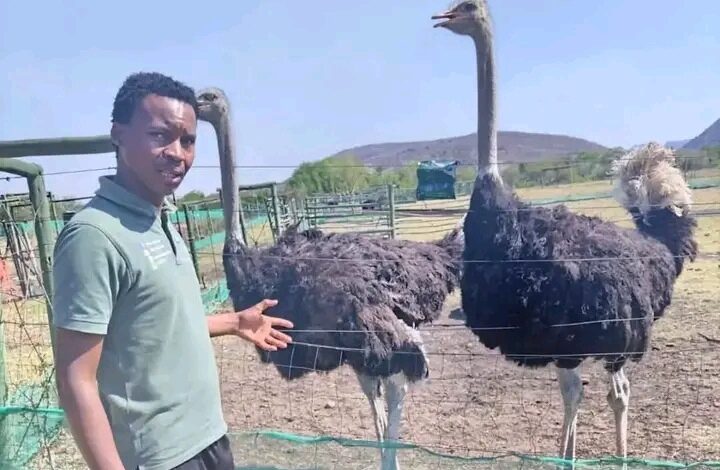
From Backyard Beginnings to Retail Supply Chains: The Rise of Pitso Ostrich Farm. Long before Pitso Ostrich Farm became a supplier to major retailers, Kabelo Lekalakala was a young man with a clear vision. Growing up in Brits in the North West province, he found inspiration in the farms he passed on his way to Sonop. That daily exposure planted a long-term ambition to become a farmer.
After completing matric, he went on to earn a BTech in Business Administration in 2013. This combination of formal education and early inspiration would later shape how he approached farming, not just as a passion, but as a business.
The first lesson here is that ideas often begin long before action. Exposure matters. What you see consistently can influence what you eventually build.
Learning the Industry From the Inside
In August 2017, Kabelo made a decisive move. He relocated to Oudtshoorn in the Western Cape, a region known for ostrich farming, to gain hands-on experience. There, he was employed and immersed himself in the full scope of the industry.
He did not limit his learning to one area. Instead, he gained insight into the entire value chain, including breeding, growing, slaughtering, leather tanning, and the production of feather and eggshell decorations.
This phase became a turning point. Rather than entering the industry with partial knowledge, he built a comprehensive understanding of how value is created at every stage.
For entrepreneurs, this is a critical lesson. Deep industry knowledge reduces risk. The more you understand the full process, the better equipped you are to make informed decisions.
Taking the Leap Into Ownership
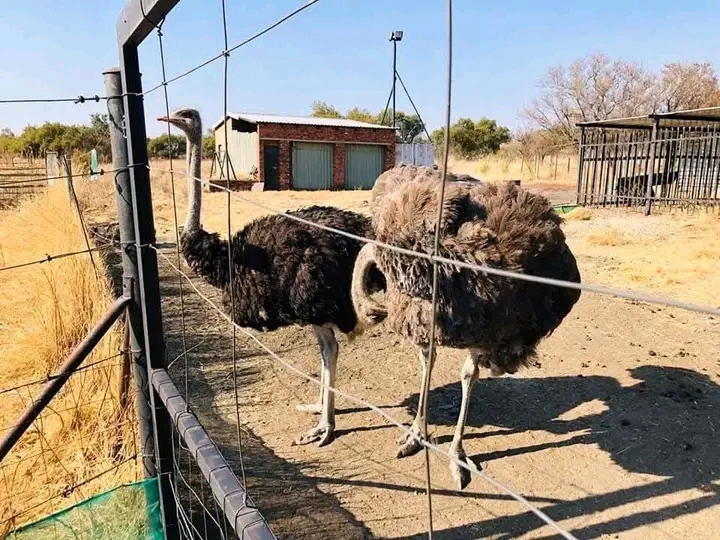
By January 2018, Kabelo was ready to act. After researching the business thoroughly, he launched his own ostrich farming operation in Brits.
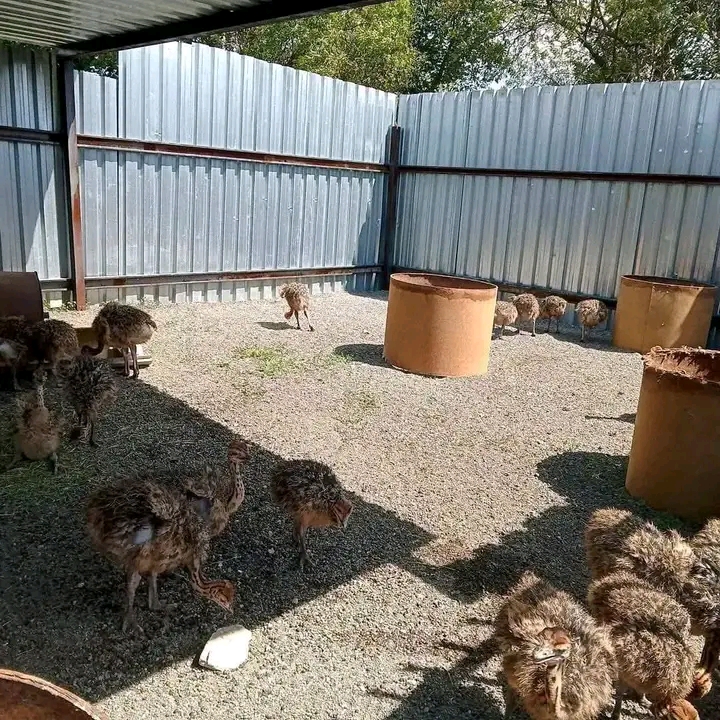
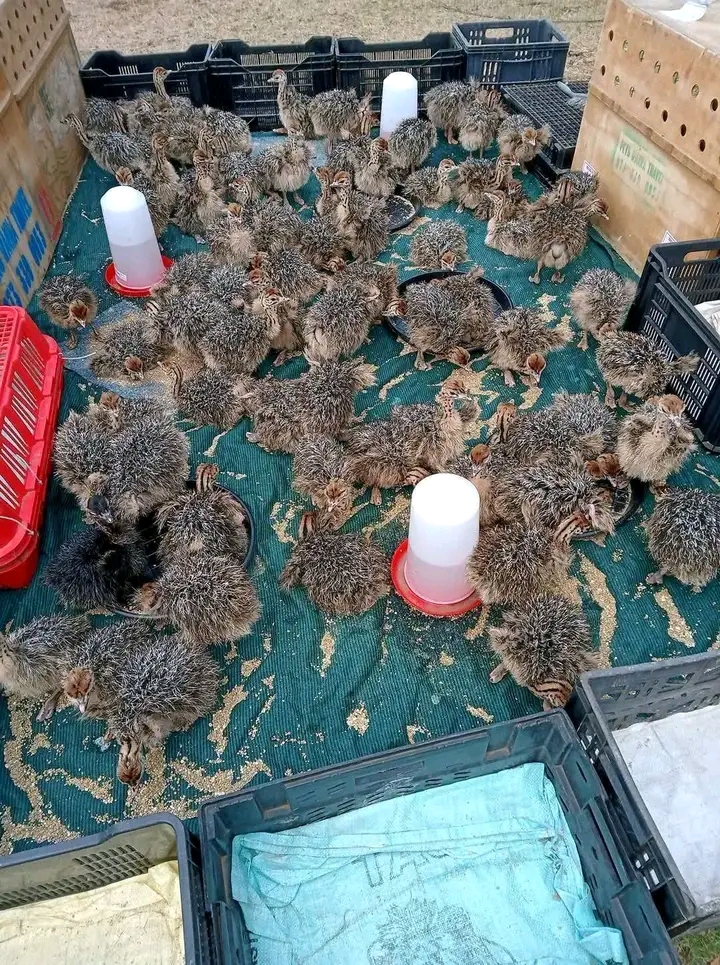
He started small but intentional. His first investment was in 17-day-old ostrich chicks, which he purchased from his previous employer and transported back to his home farm in the North West.
Without large infrastructure in place, he adapted. The chicks were initially kept in his garage. As they grew, he constructed a 4 metre by 3 metre roofed structure to protect them at night, while allowing them to roam freely during the day.
This stage of the journey reflects resourcefulness. Instead of waiting for perfect conditions, he used what was available and built progressively.
The lesson is clear. Starting small is not a limitation, it is often the most practical way to begin.
Investing in Growth and Scaling Operations
As the business developed, Kabelo made a bold decision. He sold his car to acquire a 7 hectare farm equipped for ostrich breeding. This marked a significant shift from a home-based operation to a more structured farming environment.
This move represents a key entrepreneurial turning point. Growth often requires sacrifice and reinvestment. By prioritizing the farm over personal convenience, he positioned the business for expansion.
For aspiring entrepreneurs, this highlights the importance of reinvesting in your business. Scaling requires capital, and sometimes that capital comes from personal trade-offs.
Building a Market Through Supply Relationships
Today, Pitso Ostrich Farm supplies ostrich meat to major retailers including Woolworths, Checkers, Boxer, and local butcheries. This progression from small-scale farming to retail supply reflects a significant milestone in the business journey.
Supplying established retailers requires consistency, quality, and reliability. It signals that the business has reached a level where it can meet structured demand and maintain standards.
The lesson here is that market access is earned over time. It is built through consistent delivery and trust, not just initial opportunity.
Leveraging the Full Value Chain
One of the defining strengths of Kabelo’s journey is his understanding of the full ostrich value chain. From breeding to processing and by-product utilization, this knowledge allows for multiple revenue opportunities within the same business.
Ostrich farming is not limited to meat production. Leather, feathers, and eggshell products all contribute to the overall value of the operation.
For entrepreneurs, this demonstrates the importance of maximizing value within your industry. Businesses that understand and utilize every part of their value chain are better positioned for sustainability.
Overcoming Challenges Through Adaptability
Starting with limited infrastructure, managing livestock, and scaling operations are all challenges that require adaptability. Kabelo’s ability to move from a garage setup to a fully equipped farm shows a willingness to evolve with the business.
Adaptability is often the difference between stagnation and growth. Each stage of the journey required different decisions, from construction to investment and market engagement.
The key takeaway is that challenges are not barriers, they are part of the process. What matters is how they are managed.
Key Lessons for Aspiring Entrepreneurs
The journey of Pitso Ostrich Farm offers practical insights that extend beyond agriculture.
Start with learning. Gaining experience within the industry before launching can significantly improve your chances of success.
Use available resources. Starting small and building gradually is often more realistic than waiting for full capital.
Reinvest for growth. Strategic sacrifices can create opportunities for long-term expansion.
Understand your value chain. The more aspects of your industry you control or understand, the more opportunities you can unlock.
Build trust through consistency. Supplying major retailers is the result of reliable performance over time.
Pitso Ostrich Farm stands as a clear example of how vision, knowledge, and calculated risk can turn a simple idea into a structured and growing business.