
Building Across Industries: The Lessons Behind Calvin & Family Group’s Growth

Building Across Industries: The Lessons Behind Calvin & Family Group’s Growth. Calvin Mathibeli’s entrepreneurial journey began early. At just 17 years old, he stepped into business with a mindset focused on building something lasting. This early start set the tone for what would become a long-term commitment to growth, discipline, and expansion.
By 2005, he formally founded Calvin & Family Group, laying the foundation for what would evolve into a multi-division holding company. Today, at 36, he leads a business that spans several industries and operates across multiple regions.
The first lesson here is about starting early and staying consistent. Entrepreneurship is not always about immediate success. It is often about the accumulation of experience over time.
Building a Multi-Division Holding Company
Calvin & Family Group operates as a holding company with divisions in security, construction, manufacturing, farming, mining, properties, and logistics. This structure allows the business to operate across different sectors while maintaining a unified identity.
Each division serves a distinct purpose, yet together they create a diversified business model. This approach reduces dependency on a single industry and opens multiple streams of revenue.
For entrepreneurs, this highlights the value of structured diversification. Expanding into different sectors can strengthen resilience, but it requires a clear organizational framework to manage complexity.
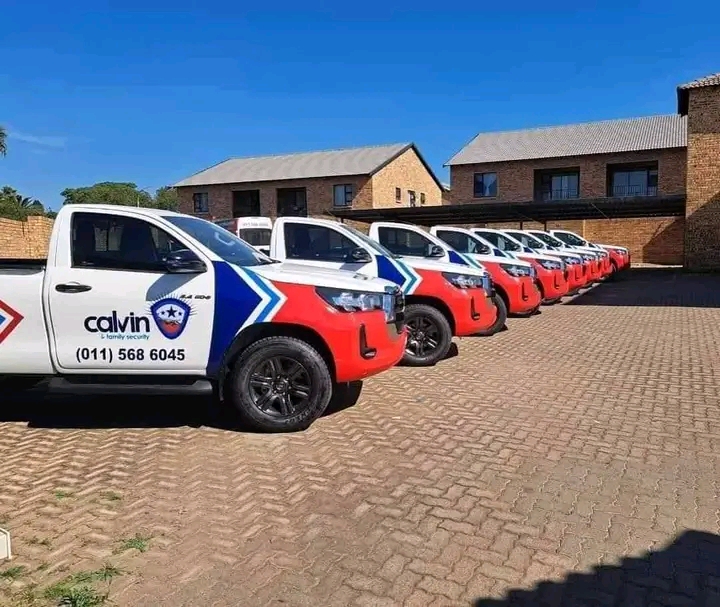
Scaling Operations Across Regions
The company operates in seven provinces across South Africa and extends its presence into Lesotho and Namibia. This geographic expansion reflects a deliberate strategy to grow beyond a single market.
Operating across multiple regions requires strong systems, coordination, and an understanding of different local environments. It also increases the company’s ability to access new opportunities and markets.
The lesson here is that scale is not just about size, it is about reach. Businesses that expand geographically can unlock new growth potential, but they must be prepared to manage increased operational demands.
Employment as a Measure of Impact
Calvin & Family Group employs more than 5000 people, supporting over 5000 families. This level of employment reflects not only business growth but also social impact.
Creating jobs at this scale requires more than opportunity. It requires consistent operations, sustainable revenue, and the ability to manage a large workforce effectively.
For entrepreneurs, this demonstrates that business success can extend beyond profit. Companies that grow responsibly can contribute meaningfully to their communities by creating employment and stability.
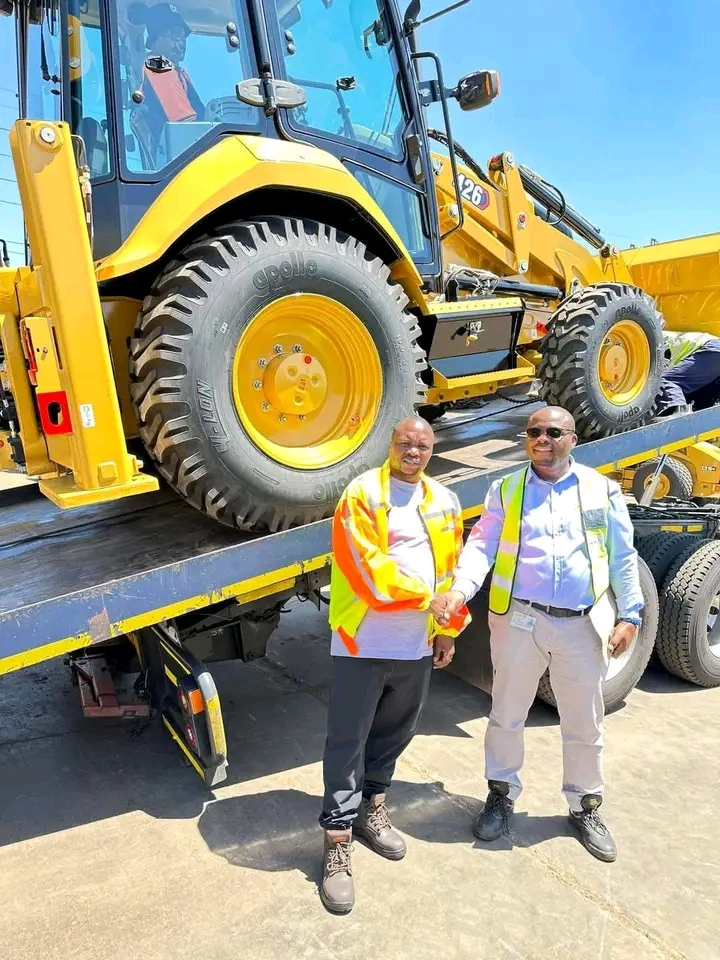
Building Infrastructure and Asset Strength
The company owns over 500 vehicles, which supports its operations across logistics, construction, and other divisions. This asset base strengthens its ability to deliver services efficiently and maintain control over key aspects of its operations.
Owning critical assets reduces reliance on external providers and increases operational flexibility. It also allows the business to respond quickly to demand.
The key takeaway is that strategic asset ownership can enhance efficiency and independence. Entrepreneurs should consider how infrastructure supports long-term growth.
Diversification as a Long-Term Strategy
The presence of multiple divisions across different industries reflects a long-term approach to business building. Instead of focusing on a single sector, Calvin & Family Group has expanded into areas that collectively strengthen its overall position.
Diversification in this context is not random. Each division contributes to a broader ecosystem that supports growth and stability.
For entrepreneurs, the lesson is that diversification should be intentional. Expanding into new areas works best when there is a clear connection to the overall business strategy.

Managing Growth and Complexity
Operating across industries and regions introduces significant complexity. Managing teams, assets, and operations at this scale requires strong leadership and structured systems.
Growth often brings challenges related to coordination, consistency, and efficiency. Businesses that scale successfully are those that invest in processes and management structures early.
The lesson here is that growth must be supported by systems. Without structure, expansion can lead to inefficiencies rather than progress.
Leadership and Vision as Driving Forces
At the center of Calvin & Family Group is Calvin Mathibeli’s leadership. His journey from a young entrepreneur to the CEO of a large, multi-industry company reflects a focus on long-term vision.
Leadership in this context is about more than decision-making. It is about setting direction, maintaining consistency, and ensuring that the business continues to evolve.
For entrepreneurs, this reinforces the importance of vision. A clear sense of direction helps guide decisions and keeps the business aligned as it grows.

Key Lessons for Aspiring Entrepreneurs
The story of Calvin & Family Group offers several practical insights.
Start early and stay committed. Long-term growth often begins with small steps taken consistently over time.
Build with structure. A holding company model can support diversification when managed effectively.
Expand strategically. Geographic and industry expansion should be aligned with overall business goals.
Invest in assets. Owning key infrastructure can improve efficiency and control.
Create impact. Employment and community contribution can be part of business success.
Calvin & Family Group stands as an example of what can be built through sustained effort, strategic expansion, and a clear vision for growth. It shows that entrepreneurship is not just about starting a business, but about building something that lasts and continues to grow across industries and regions.