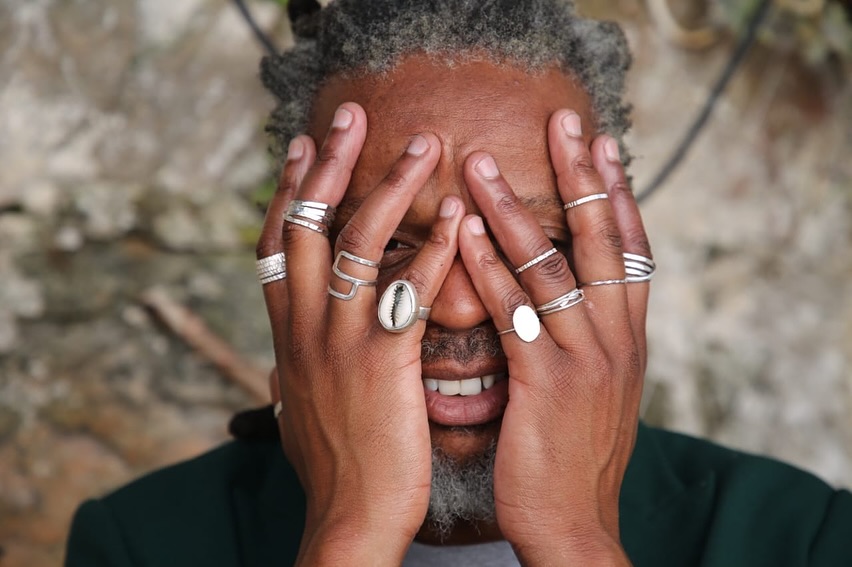
Metal to Meaning: How Kasimbi Turned Handmade Jewelry Into Wearable African Storytelling
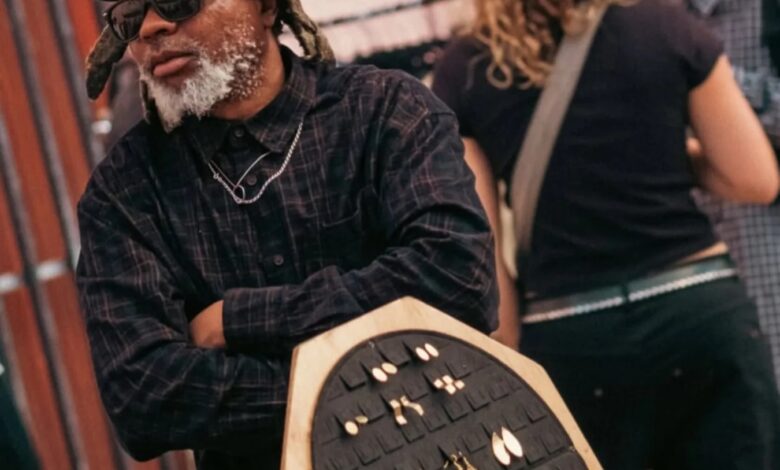
Metal to Meaning: How Kasimbi Turned Handmade Jewelry Into Wearable African Storytelling. There is something powerful about a product that carries the fingerprints of its maker. In an age of mass production and fast fashion, brands that feel deeply personal often leave the strongest impression. That is part of what makes Kasimbi stand out.
Founded by Tendai Mahlengwe, Kasimbi is more than a jewelry brand. It is a reflection of heritage, craftsmanship, and storytelling shaped through metal. Inspired by nature and rooted in Zimbabwe’s long tradition of metal artistry, the brand has built an identity around wearable art that feels authentic rather than manufactured.
The name itself carries meaning. “Kasimbi” is a Shona word for metal, a fitting choice for a brand built from years of working with wire, silver, brass, and gold. But beyond the materials, Kasimbi’s growth offers important lessons about branding, differentiation, and building emotional value into a product.
A Brand Built From Lifelong Craftsmanship
Many businesses begin by chasing trends. Kasimbi began with experience.
Before creating jewelry, Tendai Mahlengwe spent years working with metal through wire art. That background became one of the brand’s greatest strengths because it gave the business a foundation rooted in skill rather than imitation.
That distinction matters.
Consumers today are surrounded by products that often feel interchangeable. Kasimbi positioned itself differently by leaning into handcrafted artistry and cultural inspiration. Every piece is manipulated by hand, giving the jewelry individuality and character.
Instead of presenting jewelry as just another accessory, Kasimbi framed it as art connected to nature, history, and identity.
For entrepreneurs, there is a major lesson here: brands become stronger when they are built around genuine expertise. Authenticity is difficult to fake, and customers can often sense when a product comes from lived experience rather than market opportunism.
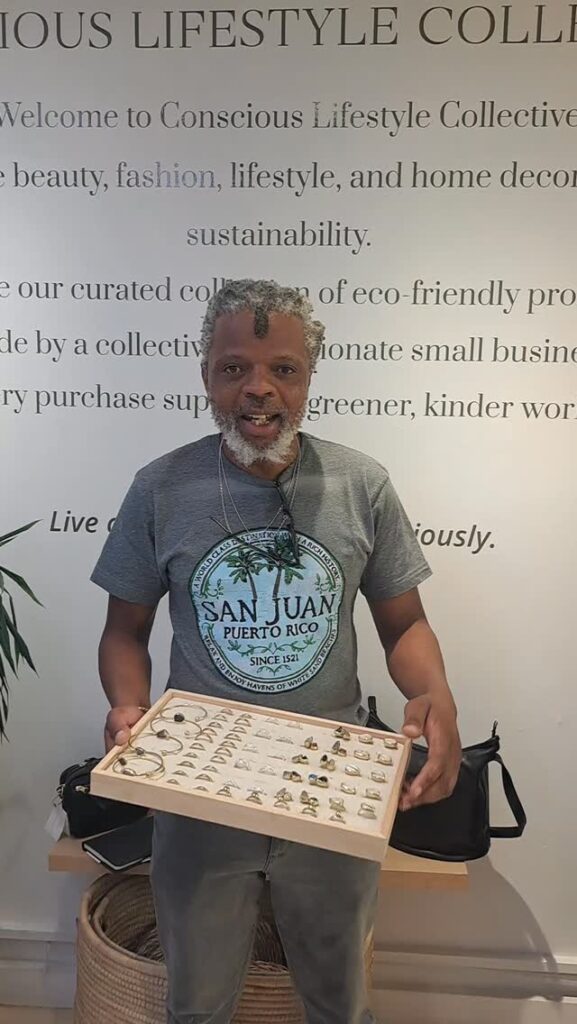
Turning Cultural Inspiration Into Brand Identity
One of Kasimbi’s most strategic decisions was embracing African storytelling without overcomplicating it.
The designs are inspired by water, stone, wood, and natural elements from the Earth. The cowry ring, one of the brand’s symbolic pieces, connects to African histories of healing, currency, and the sea. These details transform the jewelry into conversation pieces rather than simple fashion items.
This approach helped Kasimbi create emotional value.
People rarely remember brands because of technical specifications alone. They remember how brands make them feel. By tying jewelry to memory, heritage, and symbolism, Kasimbi created a deeper connection with customers looking for meaning in what they wear.
Aspiring entrepreneurs can learn from this by asking a simple question: what story does your product tell?
Products that communicate identity and emotion often create stronger customer loyalty than products focused only on functionality.
The Power of Handmade Quality
Kasimbi’s emphasis on handcrafted work became another defining strength.
Every piece is shaped by hand using silver, brass, or gold. According to the brand, the jewelry is designed not to tarnish on the skin, reinforcing both quality and longevity.
That commitment to craftsmanship matters in a market flooded with cheap accessories and disposable fashion.
Instead of competing on volume, Kasimbi competes on detail and intentionality. The business focuses on creating pieces that customers can wear every day and during special occasions, widening the product’s appeal while maintaining exclusivity.
This is a crucial lesson for small businesses. Competing against large companies on price alone is often a losing battle. Competing on quality, uniqueness, and craftsmanship creates a more defensible position.
Kasimbi understood that customers who value artistry are often willing to invest in products that feel personal and carefully made.
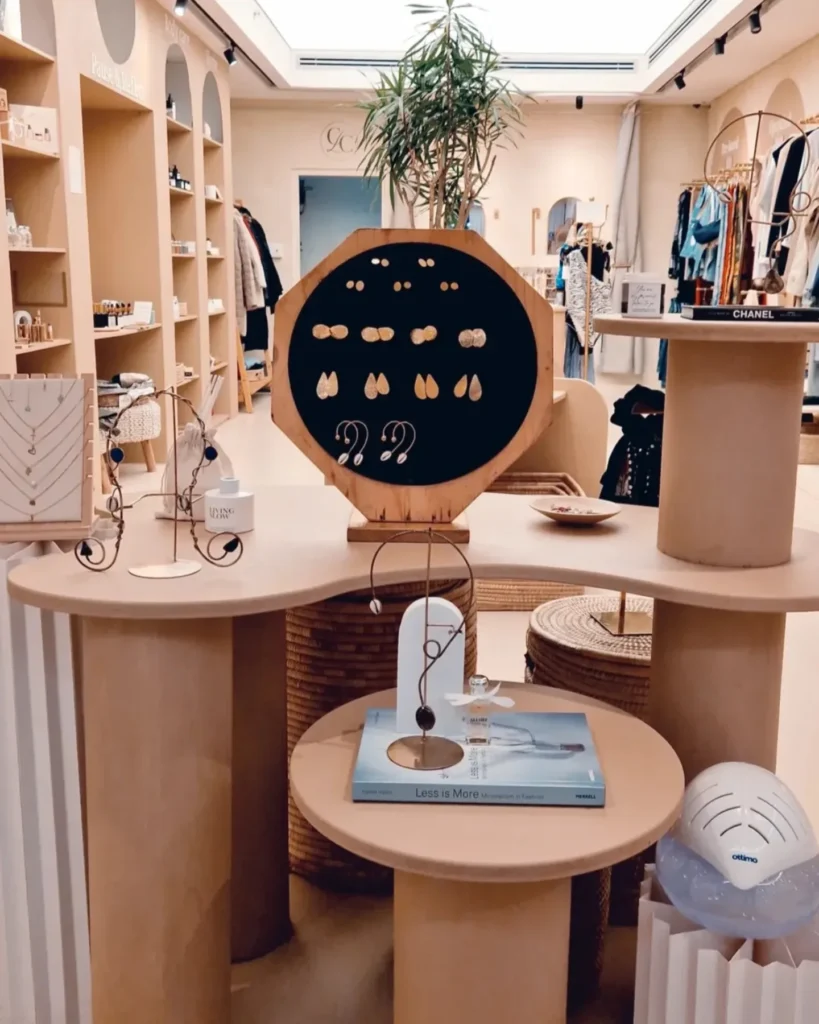
Building a Brand Around Versatility
Another smart move behind Kasimbi’s growth is its broad customer positioning.
The brand describes its jewelry as being for “any and everyone” who appreciates thoughtful design. Rather than limiting itself to one demographic, Kasimbi built a flexible identity around creativity and self expression.
This inclusive positioning expanded its reach while keeping the brand focused.
At the same time, the jewelry remains distinctive because the designs are inspired by Tendai’s personal artistic perspective. That balance between accessibility and uniqueness is difficult to achieve, but it helps brands avoid becoming either too generic or too niche.
Entrepreneurs can apply this lesson by ensuring their businesses stay recognizable without becoming inaccessible. Strong brands often have a clear identity while still allowing different types of customers to see themselves within the product.
Why Kasimbi’s Story Resonates
Kasimbi’s journey reflects a larger shift happening in consumer behavior.
More customers are searching for products that feel human. They want to know who made the item, what inspired it, and why it exists. Handmade businesses with cultural depth are increasingly standing out because they offer something mass production cannot replicate: connection.
Tendai Mahlengwe did not build Kasimbi around hype. He built it around craft, heritage, and careful design. That foundation gave the brand credibility and emotional resonance.
The story also highlights the importance of patience. Artistic businesses often grow slowly because trust must be earned piece by piece. Kasimbi’s strength lies in consistency, from its handcrafted process to its nature inspired designs.
For aspiring founders, the biggest takeaway may be this: sustainable brands are often built by leaning deeper into what makes them different, not by copying what already exists.