How The Little House Turned Handmade Craftsmanship Into a Lifestyle Brand
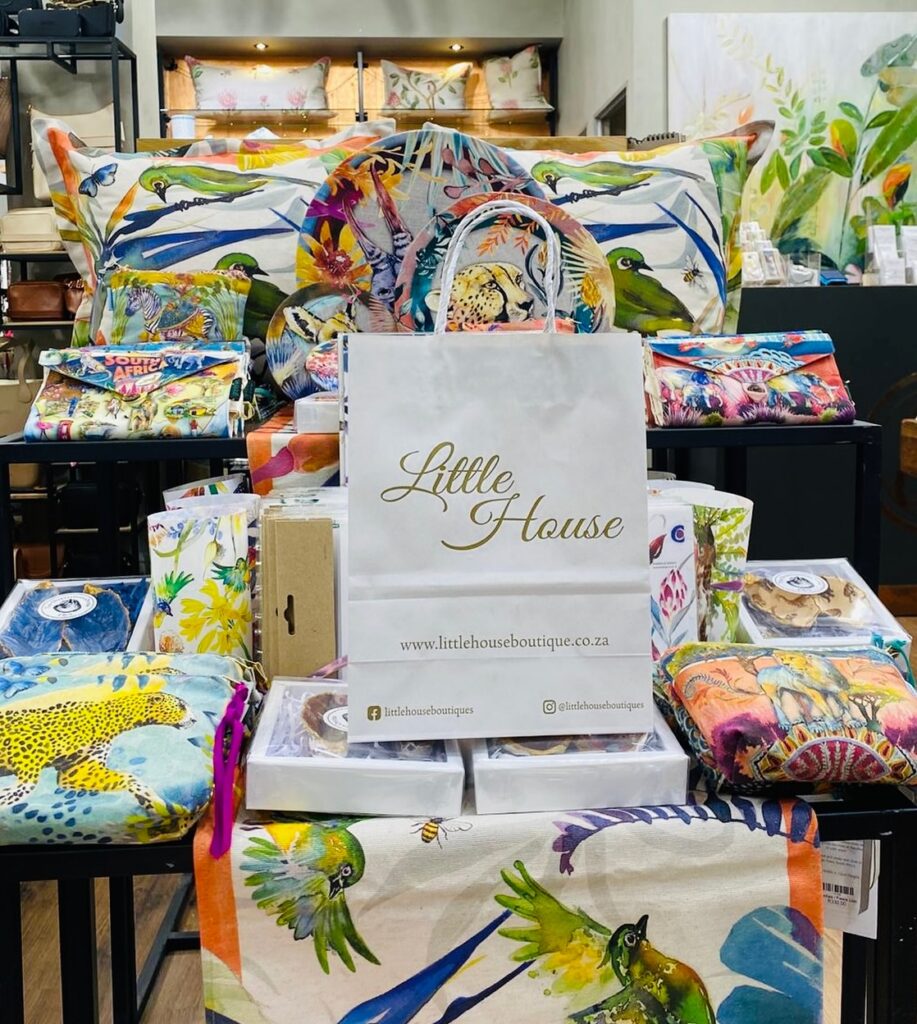
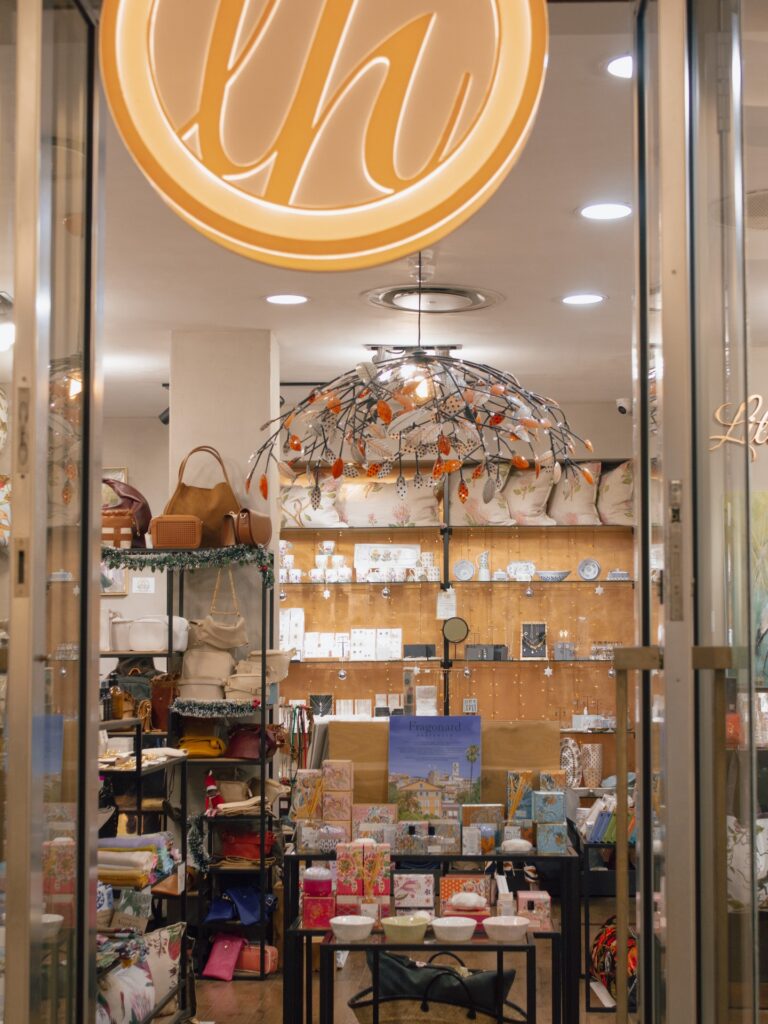
How The Little House Turned Handmade Craftsmanship Into a Lifestyle Brand. Some retail brands compete on scale. Others compete on price. The Little House chose a different path entirely. It built its identity around feeling. From the beginning, the Cape Town based brand focused on creating a shopping experience rooted in warmth, creativity, and locally crafted quality. What started in October 2017 from a home setup has since grown into a physical store in Constantia Village filled with home décor, fragrances, jewellery, paintings, handbags, clothing, candles, and handcrafted gifts made by South African artisans.
But the real story behind The Little House is not simply about products. It is about building a brand that understands how emotional connection shapes consumer loyalty. In an increasingly fast paced retail environment dominated by mass production and convenience, The Little House leaned into thoughtful details, local craftsmanship, and the power of creating joyful experiences.
That decision became one of the brand’s greatest strengths.
Building a Brand Around Local Craftsmanship
One of the clearest lessons behind The Little House is the importance of building with intention rather than chasing trends.
From launch, the business committed itself to locally produced products and handcrafted designs. This was not positioned as a marketing gimmick. It became part of the brand’s identity and purpose.
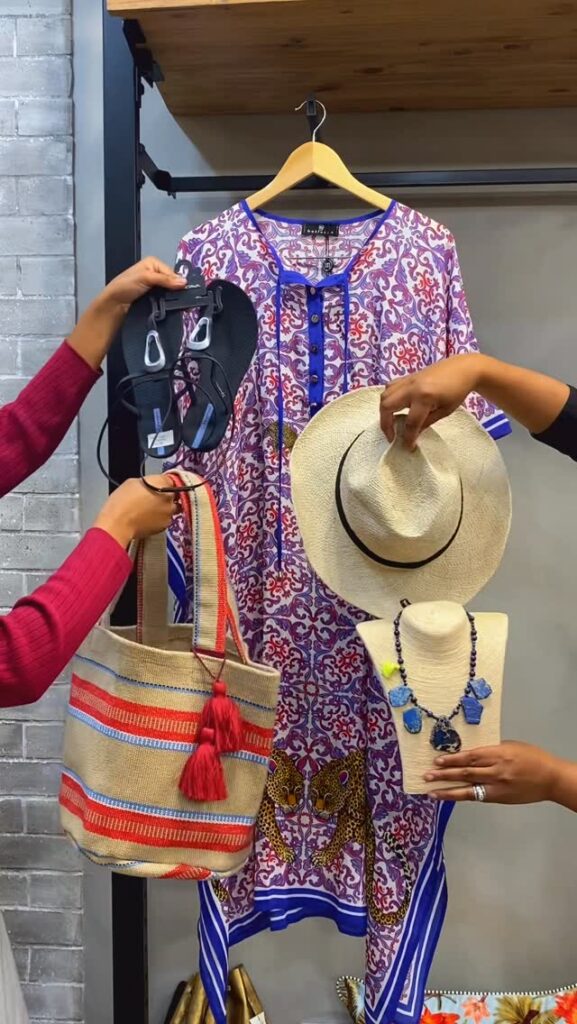
Every product category inside the store reflects that philosophy. Hand painted scarves, hand knitted blankets, jewellery, candles, diffusers, handbags, and homeware all connect back to the idea of supporting South African artisans and celebrating craftsmanship.
That consistency matters.
Customers today are surrounded by endless product options, especially online. What often separates memorable brands from forgettable ones is meaning. The Little House created meaning by focusing on products that carry visible care, creativity, and human involvement.
For entrepreneurs, this offers an important lesson: consumers increasingly value businesses that stand for something clear. A strong brand identity is not built through slogans alone. It is built through repeated decisions that reinforce what the business believes in.
Starting Small Without Compromising Vision
The Little House did not begin with a major retail footprint. It launched from home in 2017.
That detail is important because it reflects how many sustainable businesses actually begin. Instead of waiting for perfect conditions, large funding rounds, or massive infrastructure, many successful founders start with what they have and build carefully over time.
The transition from a home based business to a shop in Constantia Village represents more than physical expansion. It reflects customer trust and growing demand.
What stands out is that the brand did not abandon its original personality as it grew. The same values that shaped the business in its early days remained visible in the retail environment. The products still focused on craftsmanship, warmth, and emotional connection.
This highlights a valuable entrepreneurial lesson: growth should strengthen a brand’s identity, not dilute it.
Too many businesses lose their uniqueness once they begin scaling. The Little House appears to have protected the qualities that made customers connect with it in the first place.
Creating an Experience Instead of Just Selling Products
One of the strongest aspects of The Little House brand is how it positions shopping itself as part of the experience.
The company describes its purpose as making everyday life feel “as invigorating as the start of a long weekend.” That statement reveals a deeper understanding of modern consumer behaviour.
People no longer shop only for utility. They shop for atmosphere, inspiration, emotion, and escape. The Little House leaned into this by creating a store environment and product range designed to evoke comfort, beauty, and togetherness.
This strategy is especially powerful in lifestyle retail.
Rather than focusing purely on transactions, the brand focused on how customers feel while interacting with the business. That emotional dimension helps transform occasional shoppers into loyal supporters.
For aspiring entrepreneurs, this is a critical insight. Businesses that create memorable experiences often outperform businesses that focus only on products. Experience becomes part of the value proposition.
Using Storytelling as a Competitive Advantage
The Little House also demonstrates how storytelling can strengthen a brand without relying on aggressive advertising.
The brand’s messaging consistently reinforces ideas of joy, gifting, artistry, and local support. Customers are not simply buying décor or accessories. They are participating in a story about craftsmanship, thoughtful living, and supporting South African creatives.
That emotional storytelling creates depth.
In a market crowded with imported goods and generic retail experiences, The Little House carved out a distinctive position by highlighting the people and care behind the products.
This is particularly important for small and independent businesses competing against larger retailers. Large corporations may dominate scale, but smaller brands can often win through authenticity, intimacy, and emotional connection.
The Little House understood that customers remember stories long after they forget discounts or promotions.
The Strength of Staying True to a Clear Identity
Perhaps the biggest lesson behind The Little House is the power of consistency.
The brand stayed committed to superior quality, handcrafted artistry, thoughtful details, and local production from the beginning. Those principles became the foundation of customer trust.
That trust is difficult to manufacture artificially. It is built gradually through consistent delivery and a clear sense of purpose.
For entrepreneurs, the message is simple but powerful: brands become memorable when they know exactly who they are.
The Little House did not try to become everything to everyone. Instead, it focused on creating a warm, joyful, locally rooted lifestyle experience that customers could emotionally connect with.