Dis-Chem and Cipla Foundation Bring Nurse-Led Healthcare to Macassar
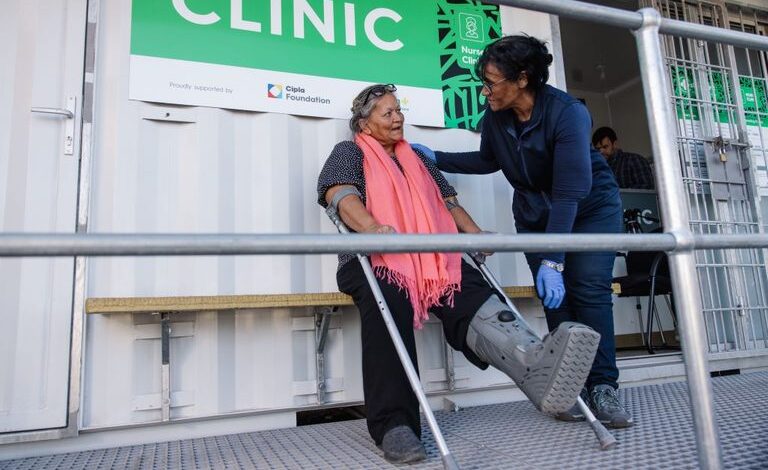
Dis-Chem and Cipla Foundation Bring Nurse-Led Healthcare to Macassar. Dis-Chem and the Cipla Foundation have partnered to improve access to primary healthcare in Macassar, a working-class community near Strand and Somerset West in Cape Town, through a new nurse-led clinic.
The initiative operates through Dis-Chem’s Better Tomorrow programme and the Cipla Foundation’s Sha’p Left initiative. It aims to address barriers that prevent residents from accessing healthcare, including transport costs, time away from work and long queues at public health facilities.
Macassar is home to approximately 52,400 people across 14,000 households, with most residents relying on the local community health centre for primary and maternity care.
The new clinic is intended to ease pressure on the existing facility while expanding access to services for conditions including HIV, tuberculosis, diabetes and hypertension.
Led by clinical nurse practitioner Patricia-Ann Smith, the clinic operates as a licensed, fee-for-service practice and can dispense medication up to Schedule 4. Patients can be examined, diagnosed and receive treatment and prescriptions during a single visit.
Joshila Shiba, Dis-Chem’s head of health equity and sustainability, said the Better Tomorrow programme focuses on bringing quality healthcare closer to communities by partnering with organisations that have established community-based models.
She added that Macassar would provide an opportunity to measure the intervention’s impact and assess its long-term sustainability.
Smith, who has 37 years of nursing experience, said establishing the practice had fulfilled a lifelong ambition to own a healthcare business while serving her community.
The Sha’p Left initiative supports qualified nurses, predominantly women, by providing infrastructure, training, compliance assistance and operational systems to establish independent practices.
Developed by the Cipla Foundation, the model aims to create self-sustaining primary healthcare practices capable of operating independently of ongoing philanthropic funding.
The initiative is based on the principle that clinical nurse practitioners with established community ties can help expand access to primary healthcare.