Akani Paints: How Cate Olifant Turned Grit into Growth

Akani Paints: How Cate Olifant Turned Grit into Growth. In the heart of Limpopo’s Nkowankowa industrial zone, Akani Paints was born out of grit, curiosity, and determination. Founded in 2015 by Cate Olifant, a former construction contractor, this 100% Black woman‑owned company has redefined water‑based paint manufacturing in South Africa. Here’s how a bold vision and strategic action turned a dilapidated factory into a reputable brand in just a few years.
From Construction Insight to Paint Manufacturing
Cate’s transition to paints started with a street‑side realization: in construction, chemicals and manufacturing, not contracting, drove higher margins. With no formal training in chemistry, she embarked on a steep learning curve, visiting industrial factories, completing specialist courses, and gathering mentors. Her journey, rejection from IDC funding included, proved one truth: passion backed by preparation can overcome industry barriers.

Turning Space into a Startup
In mid‑2016, Cate leased a run‑down factory in Nkowankowa. With personal savings she renovated the space and purchased a second‑hand machine for R 60 000. Despite early failures in formulation and production, persistence paid off. By 2019, the factory was operational and manufacturing commenced. Her mantra? “If you mess up, fess up”, a leadership lesson in humility and transparency gained early on.
Innovation: Water‑Based, Customised, Honest
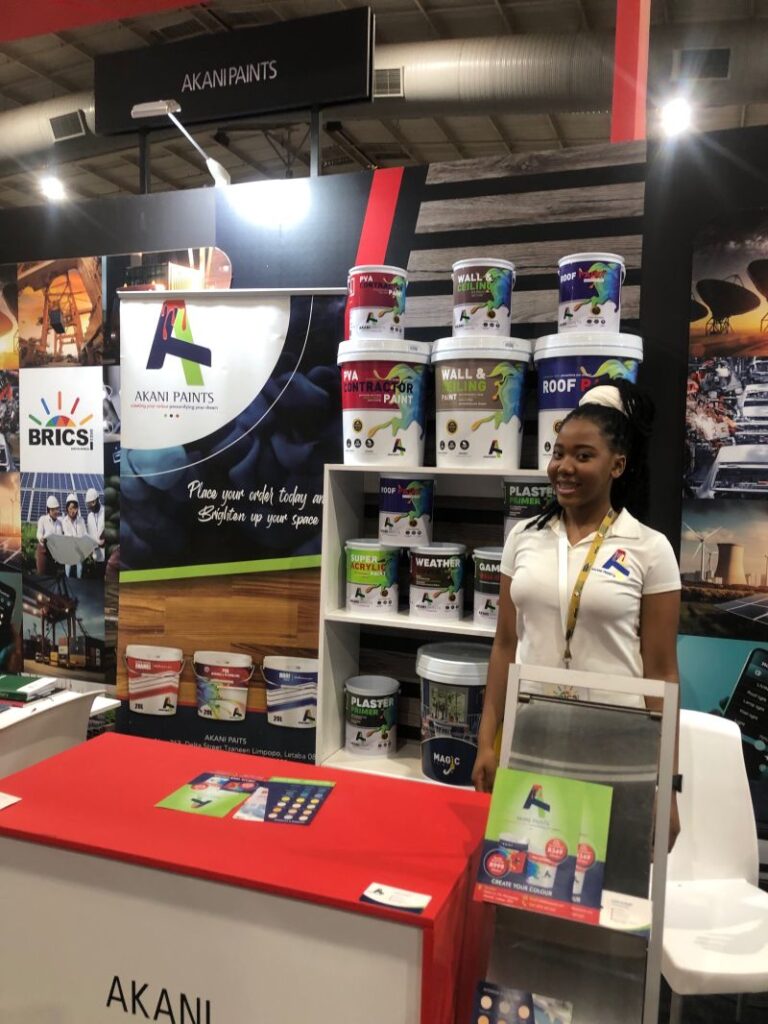
Akani Paints’ product line is anchored in water‑based interior and exterior paints, roof and floor coatings, and waterproofing solutions, with colour customisation at no extra cost. As the only factory in the area, Akani offers personalised tours for contractors, building trust in the product origin, a powerful differentiator in a trust‑driven industry.

Support Systems That Enabled Growth
Support from Seda (Small Enterprise Development Agency) enabled business training, marketing assistance, and granted R 400 000 alongside a R 1 million Sefa loan. These funds continue to pave the way for establishing a laboratory capable of producing SABS‑certified paint, a key milestone for unlocking large‑scale retail listings.
Likewise, support from DTIC, Productivity South Africa, and the Limpopo Economic Development Agency helped Akani gain exposure at the 2021 Intra‑African Trade Fair in Durban, marking its first major international sales pitch.
Vision for People and Product
The factory creates local jobs and hosts internships for chemistry graduates. Cate’s vision reaches further than profit: a future-ready workforce and empowerment for rural youth in the chemical sector.
Recognition Builds Credibility
In 2018 Cate earned the Business Achiever Award by Limpopo Women’s Business Association. Most recently, she was named Women‑Led MSME of the Year by Sedfa, an accolade recognizing both purpose and performance. These recognitions underpin customer confidence and position Akani for solid growth.
Lessons for Entrepreneurs
- Identify Value in the Everyday: Cate used her construction insight to spot a lucrative gap, then backed her idea with action.
- Surround Yourself with Expertise: Despite a non‑technical background, Cate built a team of advisors, proving you don’t have to be the expert to lead one.
- Lean into Grants and Incubators: Akani leveraged state funding and development agencies to scale and secure certifications, without diluting equity.
- Be Transparent and Trustworthy: Open factory tours and customizable offerings foster loyalty, especially in a practical, product‑driven sector.
- Invest in Patience and People: From building a lab to educating rural youth, the long game strategy grounds sustainability and local impact.
A Brand That’s Built to Last
Akani Paints now aims to expand regionally across SADC. With lab facilities and standards in place, Cate’s vision is clear: grow responsibly, build local capacity, and stand firm on quality. Her journey highlights one key truth: entrepreneurial success is less about flashy launches and more about resilience, resourcefulness, and relentless learning.