Standard Bank Announced As The New Headline Sponsor For Idols SA
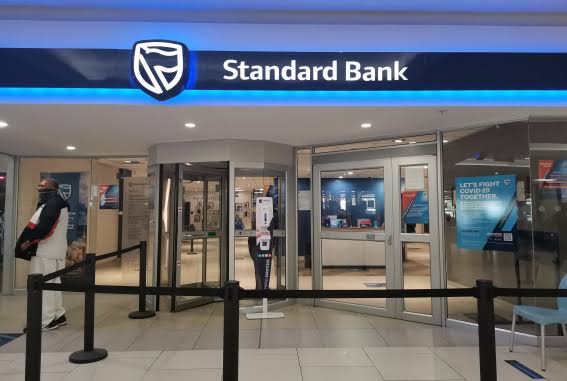
Standard Bank Announced As The New Headline Sponsor For Idols SA. This year, Mzansi Magic welcomes on board Standard Bank as a new headline sponsor in a season that will bring its viewers showstopping performances.
The theme for this season is‘Singing a Different Tune’ and it starts with the show’s new panel of judges which features two prominent and respected newcomers to the role, as well as a longtime fan favourite: triple threat pop culture icon Thembi Seete and rapper-producer extraordinaire JR Bogopa join the multitalented choreographer and TV star Somizi Mhlongo.
“Idols SA is back!! As much as it is about the music, it is also about the people: we are proud to unearth new and emerging talent, and our viewers form emotional connections with the singers as we follow along their journey from audition stage to making a career from their passion. We are excited to see who season 18 brings us,” says Shirley Adonisi, Director of Local Entertainment Channels at M-Net. “We are also excited to welcome our new headline sponsor Standard Bank, as a valued partner for this season. They have over the years proven to be passionate about making dreams come true and our winners should look forward to a basket of great prizes, which will be announced in due course,” she concludes.
Season 18 also sees a new sponsor, Standard Bank, partnering with Idols SA. “True to our values at Standard Bank we want to give young South Africans the tools and support they need to achieve their dreams and aspirations and this sponsorship helps us do just that. It’s all about taking the first steps to building your dreams and believing that It Can Be a reality. We’re really excited to be part of the journey, all the best to the those fighting to make their dreams a reality,” Lindy Lou Alexander, Head, Brand & Marketing Consumer & HNW.