
How Sano Trailers Built a Nationwide Brand from Midrand
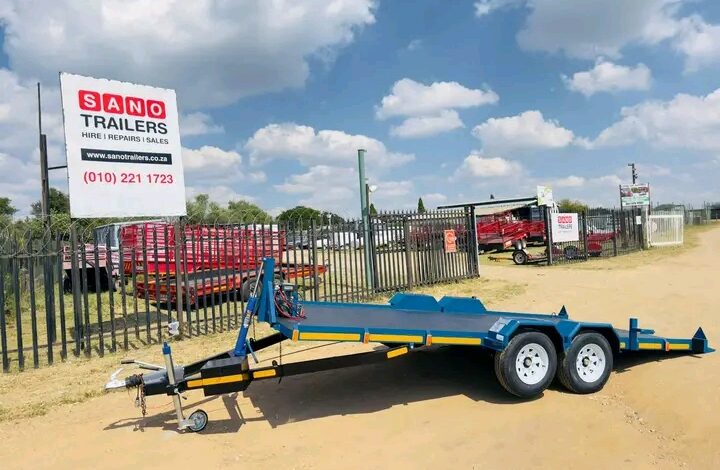
How Sano Trailers Built a Nationwide Brand from Midrand. Sano Trailers was founded by Sandile Nkosi as a proudly South African trailer manufacturing company based in Midrand. The business focuses on custom-built trailers, rentals, and repairs, positioning itself within a practical and essential industry that supports logistics, transport, and small business operations across the country.
From its foundation, the brand was not built around luxury or trend-driven demand, but around functionality. Trailers are critical tools for businesses that rely on transport, delivery, and mobile operations. This grounded positioning created a strong foundation for long-term relevance.
The key lesson from this starting point is simple but powerful. Businesses that solve real operational problems often build more stable demand than those driven by short-term consumer trends. Sano Trailers entered a space where utility is non-negotiable.
Building Value Through Custom-Built Solutions
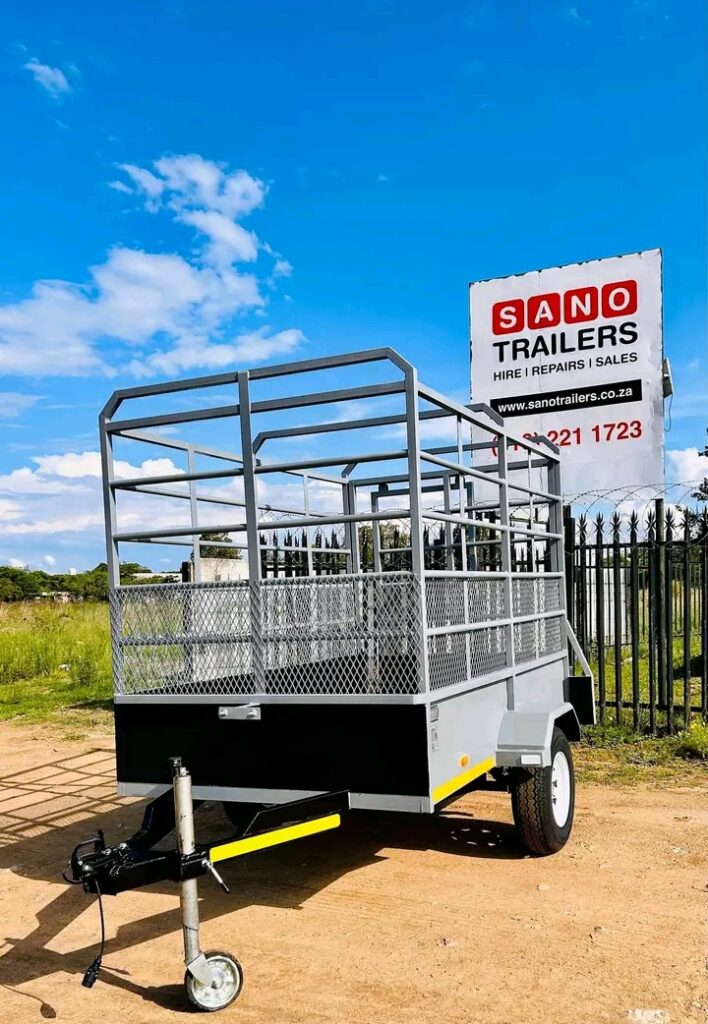
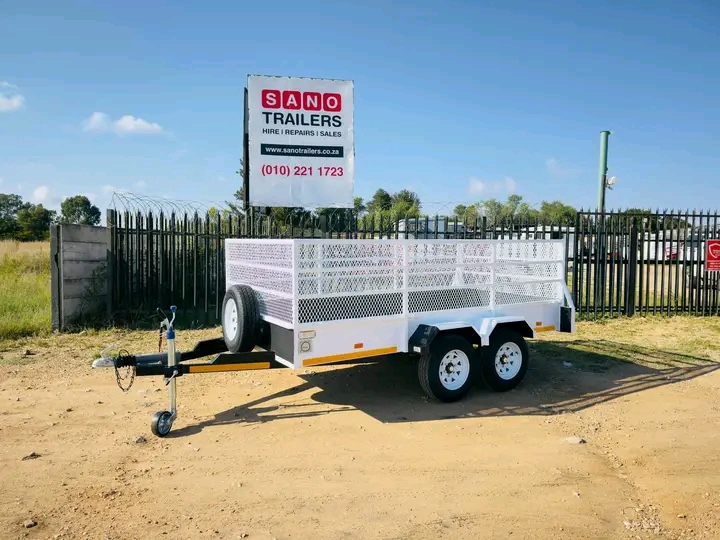
One of the defining strengths of Sano Trailers is its focus on custom-built solutions. Instead of offering only standard models, the business adapts its production to meet specific customer requirements.
This approach reflects a deeper understanding of the market. Customers in the trailer industry often have unique needs depending on their trade, whether it is logistics, construction, agriculture, or small business transport. Customisation becomes a value driver rather than an optional feature.
For entrepreneurs, this highlights an important principle. Customisation increases perceived value and strengthens customer loyalty. When a business adapts to the customer rather than forcing customers to adapt to a fixed product, it creates a competitive advantage that is harder to replicate.

Strategic Positioning as a Nationwide Service Provider
Although based in Midrand, Sano Trailers delivers nationwide. This strategic positioning allows the brand to operate beyond its immediate geographic location and serve customers across South Africa.
Nationwide delivery expands the customer base significantly, but it also introduces logistical complexity. The ability to manage this scope indicates a focus on operational structure and service reliability.
The lesson here is that location does not have to limit ambition. With the right systems, even a Midrand-based manufacturer can serve a national market. Entrepreneurs can learn that scalability often begins with logistics planning, not just marketing.
Multiple Revenue Streams Within One Industry
Sano Trailers operates across three key service areas: manufacturing, rentals, and repairs. This diversified approach within a single industry strengthens business resilience.
Manufacturing provides long-term product value, rentals create recurring usage-based income, and repairs ensure continuous engagement with customers even after purchase. Together, these services create a full lifecycle business model.
This structure is important for entrepreneurs to understand. Growth is not always about entering unrelated industries. Sometimes the strongest strategy is expanding within your core industry and building multiple income streams around the same customer base.
Trust, Practicality, and the South African Market
The trailer industry in South Africa is closely tied to small business growth, logistics demand, and informal trade. Businesses operating in this space must prioritise reliability and trust because their products directly affect income generation for customers.
Sano Trailers’ positioning as a registered manufacturer adds credibility in a market where trust is essential. Customers need assurance that trailers are durable, compliant, and suitable for long-term use.
The key takeaway is that in industries tied to productivity, reputation is built on performance rather than marketing claims. Every trailer delivered is a reflection of brand integrity.
Digital Accessibility and Customer Connection
Sano Trailers makes customer engagement accessible through direct digital communication, including WhatsApp ordering and inquiries via https://wa.me/27102211723.
This approach reflects a modern shift in how manufacturing businesses interact with customers. Instead of relying solely on traditional sales processes, the brand integrates direct communication tools that reduce friction between interest and purchase.
For entrepreneurs, this demonstrates the importance of removing barriers in the customer journey. The easier it is for a customer to ask questions or place an order, the higher the conversion potential.
Challenges of Manufacturing and Service Integration
Operating in manufacturing, rentals, and repairs requires balancing production capacity with service demand. Each area has different operational pressures, from supply chain management to maintenance scheduling and customer turnaround times.
Managing these moving parts requires discipline and systems thinking. Businesses in this space cannot rely on informal processes if they want to scale sustainably.
The lesson is that operational complexity increases with growth, not revenue alone. Entrepreneurs must invest in structure early, especially when offering multiple services under one brand.
Key Lessons for Aspiring Entrepreneurs
The story of Sano Trailers offers practical insights that go beyond manufacturing.
First, build around real-world problems. Trailers are not a luxury product, they are essential tools for income generation, which creates stable demand.
Second, customisation can be a powerful differentiator. When customers feel that a product is made for their specific needs, loyalty increases.
Third, diversification within your industry is often more sustainable than expanding into unrelated markets. Manufacturing, rentals, and repairs work together to strengthen the business ecosystem.
Finally, accessibility matters. Nationwide delivery and direct communication channels reduce friction and increase customer reach.
Sano Trailers shows that consistent growth is not about complexity for its own sake, but about solving real problems better, serving customers more directly, and building systems that support expansion without losing reliability.