Yuna Lang Skincare: Bringing Korean Beauty Principles and African Ingredients Together
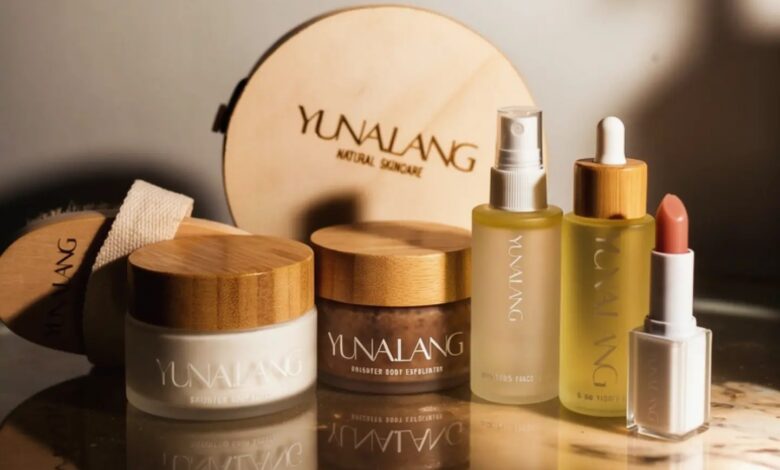
Yuna Lang Skincare: Bringing Korean Beauty Principles and African Ingredients Together. Yuna Lang Skincare has built its identity around an interesting combination: the simplicity of Korean skincare and the richness of African beauty traditions. Rather than choosing one influence over the other, the South African brand brings them together in a range of natural skin, lip and body care products.
Its philosophy is rooted in the belief that effective skincare does not need to be complicated. The brand focuses on simple formulations that combine Korean and African active ingredients, selected for their rejuvenating, hydrating and brightening properties.
This combination gives Yuna Lang a distinctive foundation in a competitive beauty market. Its identity is not simply based on offering natural skincare. It is built around bringing two established beauty traditions into one product range while maintaining a connection to Southern Africa.
For entrepreneurs, the first lesson is the value of a clearly defined brand concept. Yuna Lang demonstrates how a business can bring together different influences to create a recognisable identity. The important consideration is making sure the connection is meaningful to the products themselves, rather than using cultural references as a marketing decoration.
Combining Korean Skincare Simplicity With African Ingredients
One of the most defining features of Yuna Lang Skincare is its interpretation of Korean beauty principles. The brand draws inspiration from the simple and gentle formulations associated with Korean skincare, incorporating traditional and innovative ingredients from African beauty traditions.
Its products are developed around a fusion of Korean and African active ingredients, with a focus on hydration, rejuvenation and brightening. The intention is to offer skincare that is straightforward to use while delivering the benefits associated with its selected ingredients.
This approach creates an opportunity for differentiation. Instead of competing solely through familiar claims about natural beauty, Yuna Lang has a more specific story to communicate: a skincare range that connects Korean beauty inspiration with African ingredients.
There is a practical business lesson here. A distinctive product proposition can help a brand communicate why it exists and what makes its offering different. Entrepreneurs should identify the strongest relationship between their products, ingredients and intended customer experience, then make that relationship central to their positioning.
Simplicity as a Product Development Strategy
Yuna Lang’s commitment to simple skincare extends beyond its brand identity. Its formulation philosophy centres on all-natural, plant-based products that are vegan-friendly, cruelty-free, paraben-free and free from sulphates and harsh chemicals.
The brand describes its approach as holistic skincare, with carefully sourced ingredients selected for their hydrating and brightening properties.
This emphasis on simplicity gives the range a consistent product philosophy. Rather than presenting skincare as an endless collection of complicated routines, Yuna Lang focuses on essential skin, lip and body care.
For entrepreneurs, this illustrates why consistency matters in product development. A brand’s values become more convincing when customers can see them reflected in the actual products. If a business positions itself around simplicity, its formulations, packaging and communication should reinforce that promise.
It is also important for skincare businesses to communicate product benefits responsibly. Ingredient selection and formulation claims should be supported by appropriate evidence, particularly when discussing effects on the skin.
Local Sourcing Gives the Brand a South African Foundation
Another important part of Yuna Lang’s identity is its commitment to local sourcing and manufacturing. Its ingredients are sourced from suppliers throughout Southern Africa, while the products are manufactured in South Africa.
The brand says this approach supports local suppliers and manufacturers, keeping its operations connected to the communities and businesses involved in its supply chain.
This is more than a geographical detail. It gives Yuna Lang an opportunity to build its identity around locally sourced ingredients and South African production while drawing inspiration from Korean skincare.
For other entrepreneurs, the lesson is to recognise the value of the supply chain as part of the brand story. Where ingredients come from, who supplies them and where products are manufactured can all help explain a business’s values.
However, local sourcing also needs to be supported by meaningful relationships and responsible procurement practices. Businesses should be able to communicate their sourcing commitments clearly rather than relying on broad sustainability language.

Sustainable Packaging Extends the Brand’s Philosophy
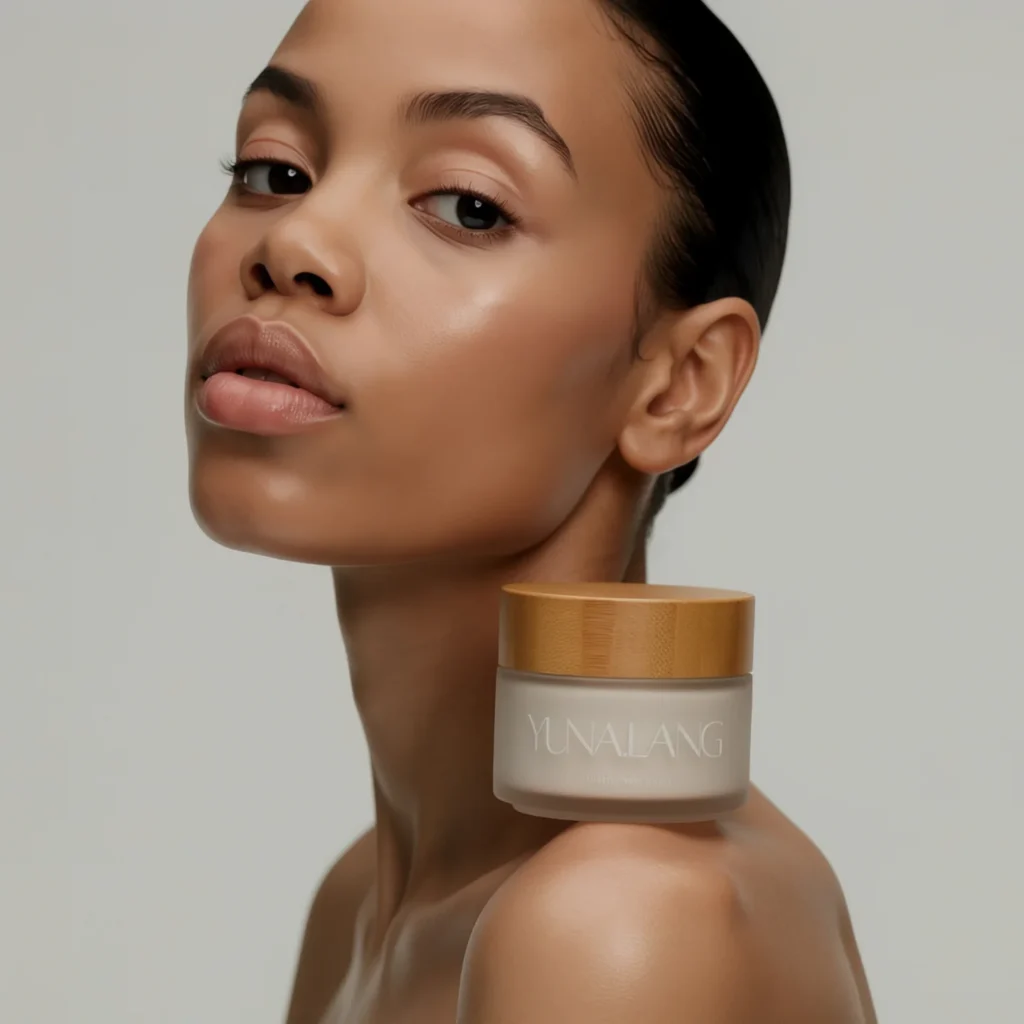
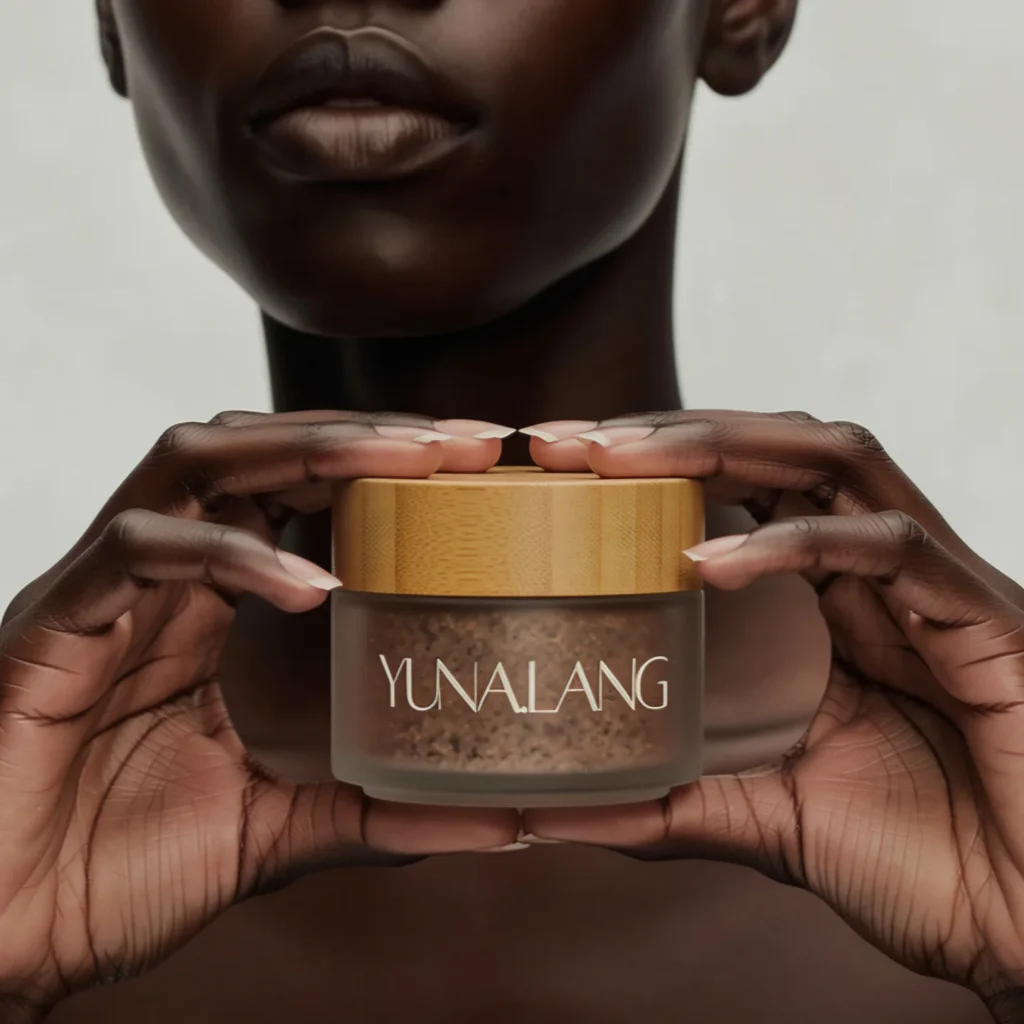
Yuna Lang carries its emphasis on simplicity and environmental responsibility into its packaging choices. The brand uses materials such as glass, bamboo and wheat straw plastic, which it describes as environmentally friendly and suitable for reuse or recycling.
It also offers an order refill option, giving customers an opportunity to reuse packaging rather than automatically replacing the original vessel with a new one.
An additional detail is the use of packaging that allows printed designs to be removed easily from the vessels. This supports the brand’s intention to make its packaging more suitable for reuse and recycling.
This is a useful example of how product design can reinforce brand positioning. Sustainability is not limited to the ingredients inside a product. Packaging choices and the options offered to customers also shape the overall experience.
For small businesses, the practical takeaway is to consider the entire product journey. Even when a business cannot change every part of its supply chain immediately, identifying opportunities to reduce waste and encourage reuse can help turn environmental commitments into practical decisions.
What Entrepreneurs Can Learn From Yuna Lang Skincare
Yuna Lang Skincare brings together several clear elements: Korean beauty inspiration, African ingredients, simple natural formulations, local sourcing and sustainable packaging. These are not isolated selling points. Together, they create a coherent identity that connects the brand’s products with its wider philosophy.
Its approach offers three useful lessons for aspiring entrepreneurs.
First, differentiation can come from combining existing ideas in a thoughtful way. Yuna Lang’s Korean-African skincare concept gives it a specific position rather than relying on generic natural beauty messaging.
Second, product values should be visible in business decisions. Its emphasis on plant-based formulations, local sourcing and South African manufacturing gives customers a clearer picture of what the brand stands for.
Finally, sustainability becomes more meaningful when it influences practical choices. Refillable packaging and reusable materials give the brand’s environmental positioning a tangible dimension.
Yuna Lang’s story, as presented through its brand philosophy, shows how a business can build a distinctive proposition by connecting product development, cultural inspiration and responsible sourcing. Its central idea is straightforward: bring together the simplicity of Korean skincare and the richness of African beauty traditions to create skincare that respects both the skin and the environment.
For entrepreneurs, that is a valuable starting point. A strong brand does not need to be built around dozens of unrelated promises. It needs a clear idea, products that reflect that idea and business decisions that make the promise credible.