TOMA Liqueurs: Putting Fruit at the Centre of a Premium Cocktail Experience
TOMA Liqueurs: Putting Fruit at the Centre of a Premium Cocktail Experience. For TOMA Liqueurs, the starting point is simple: South Africa has exceptional produce, and its fruit deserves to be experienced in more ways than one. Founded by Michael, the artisanal liqueur brand brings together locally selected ingredients and traditional liqueur-making techniques to create drinks that celebrate the country’s natural flavours.
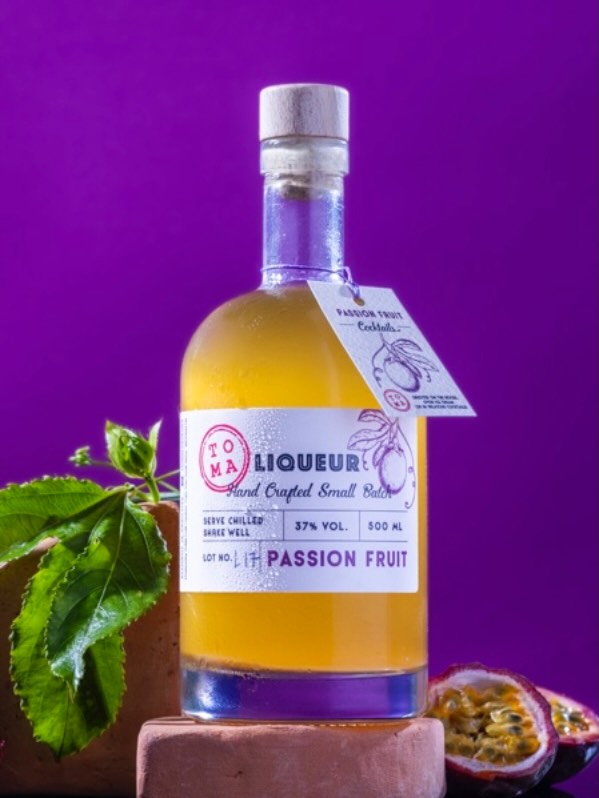
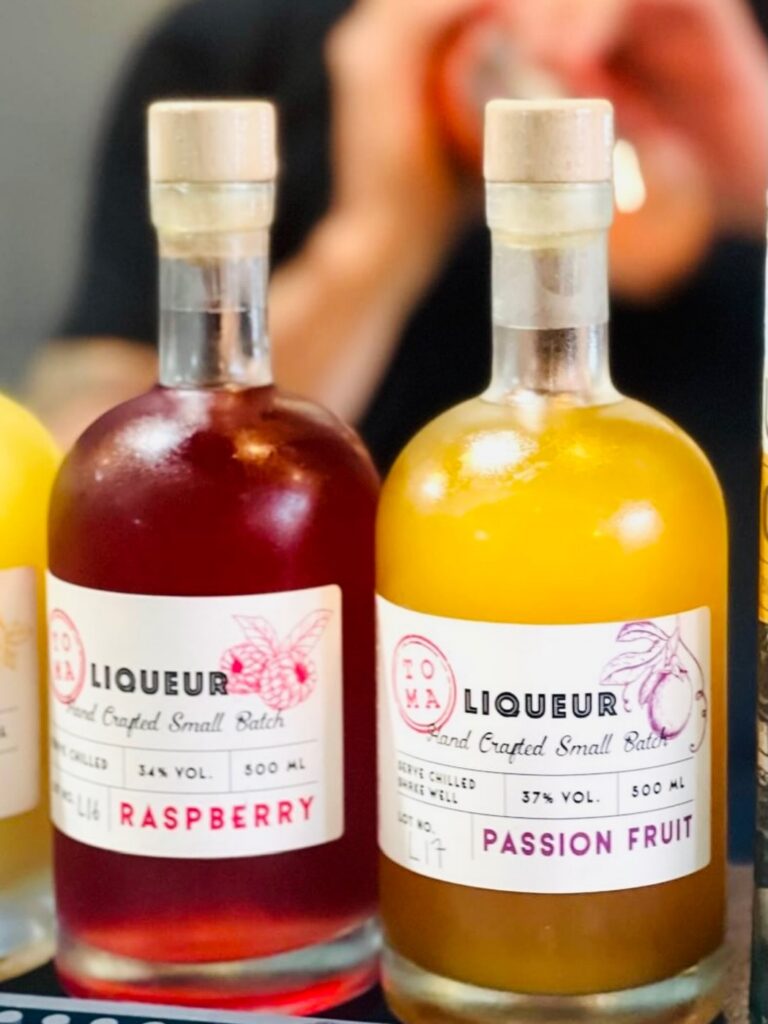
The business is built around a clear proposition: small-batch production, high quality, 100% local ingredients and a commitment to natural flavour. Rather than trying to offer an extensive range from the outset, TOMA has concentrated on three fruit liqueurs: Raspberry, Passion Fruit and Lemon.
This focused approach gives the brand a recognisable product identity. Each flavour has a different character, from the bright citrus profile of Lemon to the richness of Raspberry and the distinctive tropical appeal of Passion Fruit.
For entrepreneurs entering a competitive food and beverage market, TOMA offers an important lesson. A clear product proposition can be more valuable than an unnecessarily broad range. By concentrating on a specific offering and communicating what makes it distinctive, a young brand can give customers a clearer reason to pay attention.
The Founder’s Focus on South African Produce
Michael’s passion for showcasing fruit flavours is central to TOMA’s identity. He hand-selects local ingredients, with the aim of using exceptional South African produce as the foundation for the liqueurs.
This focus gives the business a meaningful connection to its place of origin. The brand is not simply selling flavoured alcoholic drinks. It is presenting an interpretation of South African fruit through a traditional craft process.
The emphasis on local sourcing also gives TOMA a straightforward story to communicate. Customers can understand the relationship between the ingredients, the production approach and the finished product.
For other entrepreneurs, the lesson is to identify what makes a product genuinely connected to its market. Local ingredients, specialist knowledge or a distinctive production method can all become part of a brand’s identity when they are central to the actual product rather than added as marketing decoration.
Finding the Right Three Flavours
TOMA’s range did not emerge from simply choosing three popular fruit flavours. The brand describes a process of countless tastings and recipe adjustments before settling on Raspberry, Passion Fruit and Lemon.
That development process is an important part of its story. Creating a flavour that sounds appealing is one thing; refining a recipe until it delivers the intended taste is another. TOMA’s final trio reflects the work involved in finding the right balance for its liqueurs.
Each flavour also gives the range a different point of appeal. Lemon offers brightness and zing, Raspberry brings a richer fruit character, while Passion Fruit provides a more exotic profile.
This is a useful lesson for product-based businesses. Development should involve testing and refinement rather than relying entirely on the founder’s first instinct. Customer-facing products need to deliver on their promise, and the process of getting there can be just as important as the initial idea.
Creating a Product for Mixologists and Cocktail Enthusiasts
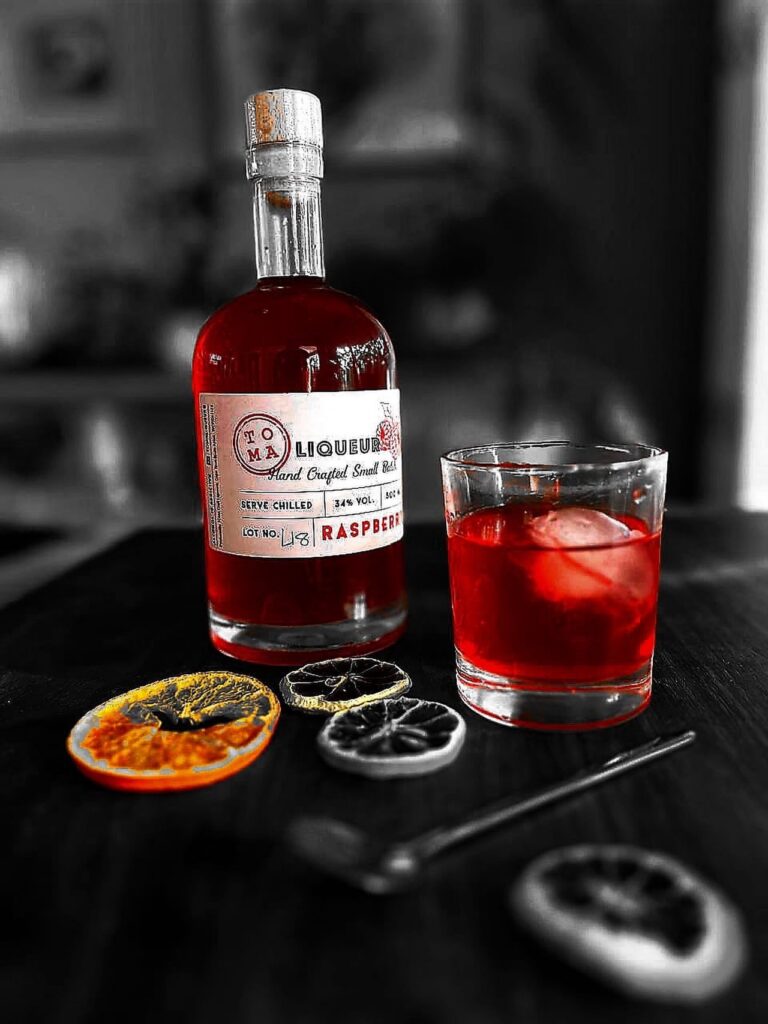
One of TOMA’s clearest strategic decisions is its focus on the cocktail market. The liqueurs are primarily designed with professional mixologists and cocktail enthusiasts in mind.
The brand positions its fruit flavours as ingredients that complement base spirits, adding depth and complexity without overpowering the drink. Balanced sweetness is also central to the proposition, with TOMA aiming to deliver natural fruit intensity rather than an artificial-tasting result.
This focus gives the products a defined role. They are not limited to being served on their own, but are intended to become part of the creative process behind cocktails.
The versatility extends beyond the bar. TOMA also highlights the use of its liqueurs in simple refreshing drinks and elegant desserts, giving customers different ways to incorporate the flavours.
For entrepreneurs, this demonstrates the value of understanding how customers will actually use a product. TOMA does not communicate its liqueurs only through flavour descriptions. It connects them to specific occasions and applications, helping potential customers imagine what they can create.
Building Visibility Through Selected Retail and Hospitality Partners
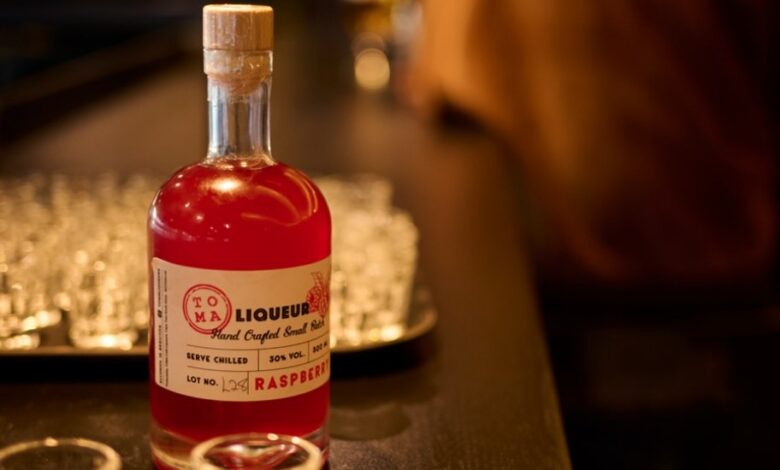
TOMA’s route to market includes selected businesses that share its approach. The brand is available through a selection of Yuppiechef retail stores in Cape Town and is also found in cocktail bars and restaurants including Fable Cocktail Bar, Scala Pasta Bar and Maru Korean Steakhouse.
These partnerships place the liqueurs in environments where customers can encounter them in different ways. Retail provides an opportunity to purchase the product, while cocktail bars and restaurants offer a setting in which its flavour and versatility can be experienced as part of a drink or dining occasion.
The decision to work with selected partners also fits the brand’s emphasis on authenticity and quality.
For smaller businesses, this provides a practical marketing lesson. Building distribution does not necessarily mean pursuing every available outlet. Identifying partners whose customers and offering align with the product can help establish a more coherent market presence.
Keeping the Brand Authentic as It Finds Its Place
TOMA Liqueurs brings together several elements that support a distinctive position: local fruit, traditional liqueur-making techniques, small-batch production and a focused range designed primarily for cocktails.
Its approach shows how a specialist food and beverage brand can build its identity around the product itself. The flavours are carefully developed, the ingredients are selected with intention and the applications are clearly communicated to both professional and home users.
The available brand information does not detail TOMA’s founding year, production volumes, sales growth or international expansion, so its progress is best understood through the product and partnerships it has established.
For aspiring entrepreneurs, the most useful lesson is that building a recognisable brand requires consistency between what a business makes, how it presents its products and where customers encounter them. TOMA’s commitment to South African produce gives it a clear foundation, while its cocktail-focused positioning provides a defined audience and purpose.
By putting local fruit at the centre of its liqueurs, TOMA is creating a product experience that connects South African ingredients with the creativity of the cocktail and hospitality industries.